
In every corner of the globe, the movement of people paints a complex and ever-evolving portrait of human experience. Journeys across borders are more than mere passages from one place to another; they are stories woven from hope, necessity, and change. As the world grows increasingly interconnected, the patterns of migration and immigration reveal not only the challenges faced by individuals seeking new horizons but also the profound impacts on societies, economies, and cultures. This article embarks on an exploration of these dynamic trends, unraveling the threads that shape the contemporary landscape of human mobility.
Understanding the Historical Roots of Migration Patterns
Migration is a complex phenomenon deeply rooted in human history, shaped by a mosaic of social, economic, and environmental factors. From ancient trade routes to the massive transcontinental movements of the 19th and 20th centuries, people have always sought new horizons—whether driven by the promise of fertile lands, the allure of burgeoning cities, or the push of conflicts and climatic changes. Understanding these early waves helps paint a vivid picture of how cultures, economies, and civilizations intertwined, creating the dynamic demographic landscapes we see today.
Key forces behind historical migration patterns include:
- Economic opportunity: The search for work and better living standards has consistently motivated movement across borders.
- Conflicts and persecution: Wars, invasions, and political upheaval forced millions to seek refuge elsewhere.
- Environmental changes: Natural disasters, droughts, and resource scarcity often triggered population shifts.
- Colonial expansion: The establishment of empires introduced new migration routes and reshaped indigenous populations.
| Era | Primary Cause | Notable Migration |
|---|---|---|
| Ancient | Trade and Settlement | Silk Road Movements |
| Medieval | Religious and Political Turmoil | Crusades and Diasporas |
| Modern | Industrialization and Colonization | European Colonists to Americas |
| Contemporary | Economic and Conflict-Driven | Global Refugee Flows |
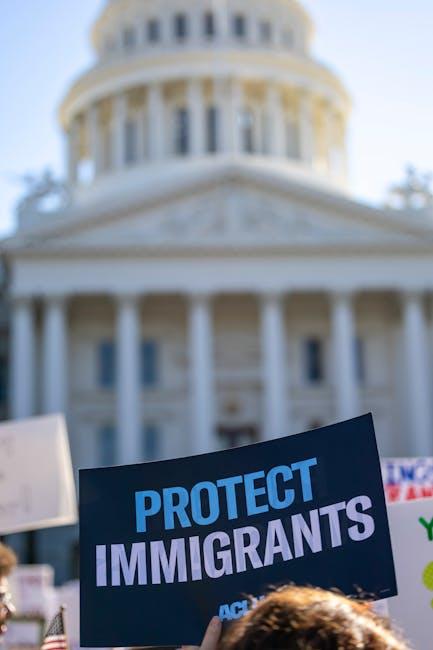
Economic Drivers Shaping Modern Immigration Flows
At the heart of contemporary migration patterns lies a complex web of economic factors that act as powerful magnets or push factors for individuals and families seeking improved livelihoods. Rapid globalization has intensified labor demands in diverse sectors—ranging from technology and healthcare to agriculture and construction—sparking waves of immigration toward regions offering promising job prospects. Economic disparities between countries also fuel migration, with workers from less developed economies often venturing abroad in search of higher wages and better living standards. These economic incentives are complemented by remittances sent back home, which form a vital lifeline supporting families and local economies in migrants’ countries of origin.
Key economic drivers influencing immigration today include:
- Labor shortages in host countries creating demand for foreign workers
- Wage differentials motivating individuals to move across borders
- Trade agreements and economic integration facilitating labor mobility
- Investment flows generating new job opportunities in emerging markets
| Economic Driver | Impact on Migration | Example Region |
|---|---|---|
| Labor Market Demand | Attracts skilled and unskilled workers | North America, Europe |
| Wage Disparities | Encourages outbound migration from low-income areas | Sub-Saharan Africa to Gulf States |
| Trade Agreements | Facilitates legal mobility and employment | EU Free Movement Zone |
| Foreign Investment | Creates jobs and infrastructure projects | Southeast Asia |
Cultural Integration and the Challenges of Social Inclusion
Successfully weaving diverse cultures into the fabric of a new society requires more than just geographical movement; it demands a profound social adaptation on multiple levels. Immigrants often find themselves balancing the preservation of their heritage with the pressure to conform to new societal norms. This delicate dance brings about challenges such as language barriers, identity conflicts, and social isolation. Within communities, integration initiatives focus on facilitating mutual understanding and respect, promoting interaction through cultural exchanges, education programs, and inclusive policy frameworks.
Yet, obstacles remain deeply rooted in systemic inequalities and societal attitudes that can hinder full participation in economic, political, and social life. Below is a quick overview of some typical hurdles faced by migrants and corresponding supportive strategies employed by host countries:
| Challenges | Supportive Strategies |
|---|---|
| Language proficiency | Free language courses and bilingual education |
| Employment barriers | Job training, recognition of foreign credentials |
| Discrimination and xenophobia | Anti-discrimination laws and awareness campaigns |
| Social isolation | Community centers and cultural festivals |
- Mutual respect as a foundation for harmonious interaction.
- Empowerment through education and economic opportunities.
- Dialogue and collaboration to bridge cultural divides.
Policy Frameworks Influencing Global Mobility
Behind every global movement lies a tapestry of laws and regulations that dictate how people, skills, and talents cross borders. These frameworks often balance national interests with humanitarian obligations, shaping patterns of migration and integration. The interplay of bilateral agreements, regional unions, and international treaties not only facilitates legal pathways but also controls restrictions that influence the flow and settlement of populations. For instance, visa policies and labor migration laws create structured avenues for economic migrants, while refugee conventions provide sanctuaries for those fleeing persecution.
Understanding the nuances of policy frameworks helps illuminate the complexities of global mobility and its ripple effects on societies worldwide. Here’s a quick overview of key elements that commonly guide these frameworks:
- Entry and Exit Controls: Rules determining who may enter or leave a country and under what conditions.
- Work and Residence Permits: Regulations on employment eligibility and duration of stay.
- Asylum and Refugee Rights: Legal provisions to protect vulnerable populations escaping danger.
- Integration Policies: Programs fostering social inclusion and cultural adaptation.
| Framework Type | Primary Focus | Impact on Mobility |
|---|---|---|
| Bilateral Agreements | Cooperation between two countries | Streamlined visa processes |
| Regional Unions | Economic and political integration | Freedom of movement within the region |
| International Treaties | Human rights and refugee protection | Guaranteed protections for displaced |
Empowering Communities Through Inclusive Migration Strategies
At the heart of sustainable migration policies lies a commitment to crafting environments where diverse voices shape the future. By fostering collaboration across governments, NGOs, and local communities, migration becomes not just a movement of people, but a dynamic exchange of ideas, skills, and cultural wealth. This approach uplifts both newcomers and host populations, ensuring access to education, healthcare, and employment opportunities that respect individual dignity and potential.
Key elements driving this transformative paradigm include:
- Community-led integration programs that celebrate cultural heritage while promoting social cohesion.
- Accessible language and training services designed to smooth transitions and enhance employability.
- Policy frameworks emphasizing equal rights and protections for all residents, regardless of origin.
| Strategic Pillars | Impact on Communities |
|---|---|
| Inclusive Education | Enables lifelong learning and mutual understanding. |
| Economic Empowerment | Stimulates local economies through diverse workforce contributions. |
| Social Support Networks | Builds resilience and fosters belonging. |
In Summary
As we close the chapter on this exploration of migration and immigration trends, it becomes clear that journeys across borders are more than mere movements of people—they are stories etched with hopes, challenges, and the enduring quest for belonging. Each migration path we trace reveals a tapestry woven from cultures, dreams, and resilience, reminding us that these journeys shape not only nations but the very essence of our shared humanity. In understanding these flows, we gain insight into a world constantly in motion—a world where borders are not just lines on a map, but living, evolving spaces of connection.




