
In a world increasingly defined by borders—visible and invisible—the concept of identity takes on a remarkable new dimension with dual passports. These coveted documents offer more than just travel convenience; they unlock doors to opportunities, cultures, and freedoms that one nationality alone may not provide. Navigating the complexities of dual citizenship, holders of two passports traverse not only physical boundaries but also legal and societal landscapes, crafting a unique existence at the crossroads of nations. This article explores how dual passports serve as powerful keys to a globalized life, revealing both the privileges and challenges embedded in holding two identities.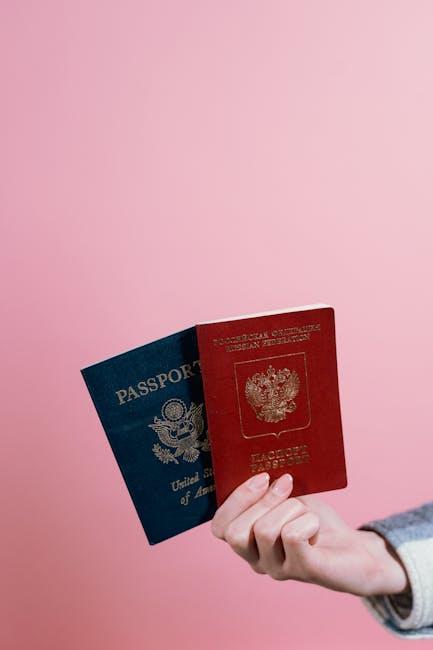
Understanding the Concept and Legalities of Dual Passports
Holding dual passports is a concept that fascinates many but also raises important questions about legality and identity. In essence, it allows an individual to possess citizenship—and therefore a passport—from two different countries simultaneously. This dual status can offer unparalleled freedom in travel, work, and residence, but it comes with intricate legal frameworks that vary widely depending on the countries involved. Some nations embrace dual citizenship openly, while others restrict or even prohibit it, requiring careful navigation to avoid conflicts related to obligations such as taxes, military service, or political allegiance.
Understanding the legal landscape surrounding dual passports involves grasping not only national laws but also international agreements. Travelers and dual citizens often benefit from perks like expanded visa-free access, but they must also be aware of potential pitfalls such as:
- Conflicting Laws: Differences in citizenship recognition can cause legal ambiguities.
- Renewal Policies: Timelines and procedures may vary for each passport.
- Travel Declarations: Certain countries require declaring multiple passports at entry or exit points.
| Country Stance | Dual Citizenship Allowed? | Common Restrictions |
|---|---|---|
| Canada | Yes | None major; recognizes dual citizenship freely |
| China | No | Loss of citizenship upon acquiring foreign nationality |
| Germany | Limited | Generally requires permission or in special cases |
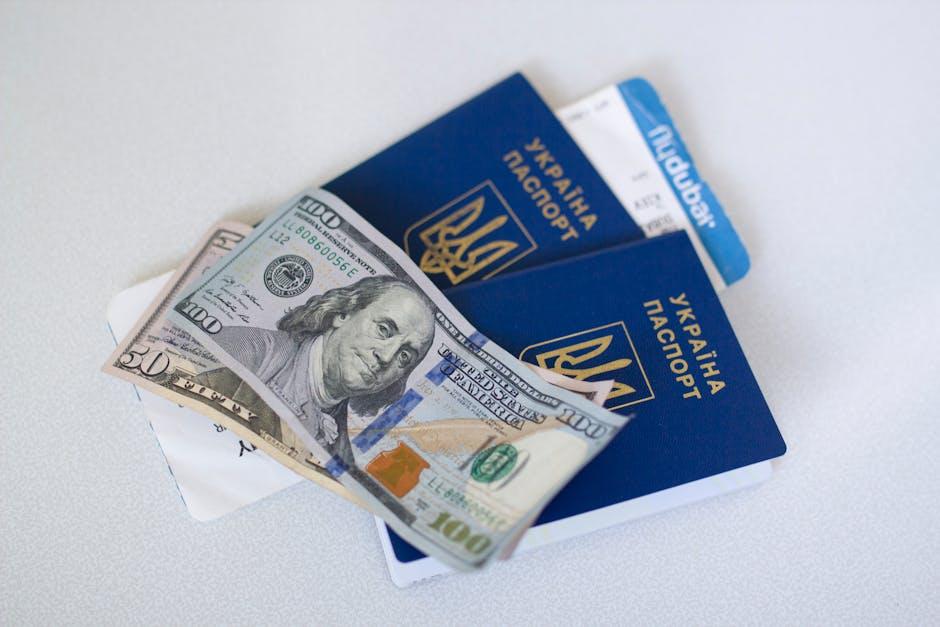
Benefits and Challenges of Holding Two National Identities
Embracing two national identities opens a vibrant gateway to a world of advantages. Among the most celebrated perks is enhanced global mobility, allowing holders to bypass visa hurdles and explore diverse cultures with ease. Additionally, it provides economic flexibility, offering access to job markets, investment opportunities, and social benefits in both countries. Dual citizenship can also act as a safety net, granting protection and rights in more than one jurisdiction, which is especially valuable in times of political or economic instability.
However, this duality is not without its complexities. Navigating differing legal systems can pose challenges, particularly in areas like taxation, military service obligations, and bureaucratic paperwork. Moreover, the emotional tug-of-war between two cultures sometimes leads to identity conflicts or feelings of divided loyalty. The table below highlights key benefits alongside potential drawbacks, providing a balanced snapshot of the dual passport experience:
| Benefits | Challenges |
|---|---|
| Visa-free travel to multiple countries | Complex tax filing obligations |
| Access to dual healthcare systems | Military service requirements |
| Broader educational opportunities | Possible cultural identity conflicts |
| Rights to work and reside in two places | Managing dual legal responsibilities |
Criteria and Processes for Obtaining a Second Passport
Securing a second passport involves a variety of criteria that differ widely based on the country of interest. Common pathways include citizenship by investment, naturalization through residency, and heritage-based claims. Each route demands different qualifications: investment thresholds, minimum stay periods, or proof of ancestral connections often come into play. Due diligence checks—covering criminal records, financial backgrounds, and health status—are standard to ensure candidates meet the legal and ethical standards set by the destination country.
The process itself can be both straightforward and intricate, frequently divided into stages like application submission, document verification, interview, and final approval. Understanding the timeline and required documentation can significantly streamline the journey. Below is a simplified overview of the typical steps involved:
| Step | Key Action | Estimated Duration |
|---|---|---|
| 1 | Initial Eligibility Assessment | 1-2 weeks |
| 2 | Gather & Submit Documents | 2-4 weeks |
| 3 | Background Checks & Interviews | 1-3 months |
| 4 | Approval & Passport Issuance | 2-6 weeks |
Being prepared with accurate paperwork and understanding country-specific nuances can tip the scales in your favor, turning the complex into the achievable when it comes to embracing a second identity and global mobility.
Maximizing Opportunities Through Strategic Dual Citizenship
Strategic dual citizenship is more than just holding two passports—it’s a gateway to a world of unparalleled opportunities. With the ability to legally navigate between two countries, individuals can tap into diverse economic landscapes, career advancements, and educational prospects that might otherwise be inaccessible. This dual identity often means enhanced travel freedom, enabling holders to bypass restrictive visa policies and explore continents with ease. Additionally, it fosters a unique cultural adaptability, enriching personal and professional relationships in a globalized world.
Taking full advantage of these benefits requires a thoughtful approach. Consider factors like taxation treaties, residency rights, and investment incentives that each citizenship offers. A strategic dual citizen can leverage legal safeguards and social services from both nations while optimizing lifestyle choices and business ventures. To illustrate, here’s a quick glance at advantages that often come with holding two citizenships:
- Access to multiple job markets without work permit barriers
- Expedited property ownership and business registration rights
- Security in times of geopolitical uncertainty via alternative residency
- Expanded educational opportunities for families and individuals
| Benefit | Potential Impact |
|---|---|
| Visa-Free Travel | Save time & reduce travel costs |
| Tax Planning Flexibility | Optimize financial obligations legally |
| Dual Social Benefits | Access health, education & welfare programs |
| Political & Economic Security | Mitigate risks of instability |
Practical Tips for Managing Dual Passport Responsibilities and Travel
Balancing the responsibilities of two passports demands an organized approach to avoid potential travel headaches. Start by creating a digital and physical folder containing copies of both passports, visas, and entry/exit stamps. This simple step can save time during airport security checks and embassy visits. Additionally, always check visa requirements for each nationality before traveling. Remember, some countries may impose restrictions depending on which passport you use to enter. Prioritizing the passport that offers easier entry or fewer bureaucratic hurdles can streamline your journey.
To keep your dual passport travels smooth, consider these practical pointers:
- Use the appropriate passport to enter and leave a country to avoid confusing immigration officials.
- Inform airlines in advance about your dual citizenship status when booking tickets to prevent miscommunication.
- Keep travel itineraries and passport details handy to quickly present proof of identity or residency when required.
- Maintain awareness of local laws regarding dual citizenship, as some nations require you to declare both nationalities upon entry.
| Scenario | Recommended Passport Use |
|---|---|
| Traveling Europe (Schengen) | Use your EU passport for visa-free access |
| Visiting Home Country | Use that country’s passport to simplify entry |
| Flying to a country with restrictions | Use the passport without entry bans |
Closing Remarks
In a world where borders often define opportunity, dual passports offer a unique key—one that unlocks not just gates, but new perspectives and possibilities. Navigating the complexities of two identities may seem daunting, yet for many, it is a gateway to freedom, flexibility, and growth. As globalization continues to blur lines, embracing the power of dual citizenship can transform how we connect, live, and move across the map—turning what was once a limitation into a limitless horizon.




