
In an era where digital connections eclipse geographical distances and the pace of global migration accelerates like never before, the concept of identity is undergoing a profound transformation. No longer confined by a single birthplace or nationality, more individuals are weaving together diverse cultural threads to form complex, multi-national identities. These fluid affiliations challenge traditional notions of belonging and citizenship, inviting us to rethink what it truly means to call a place “home.” This article explores the rise of multi-national identity—a phenomenon that transcends borders and reshapes the way people navigate their place in an interconnected world.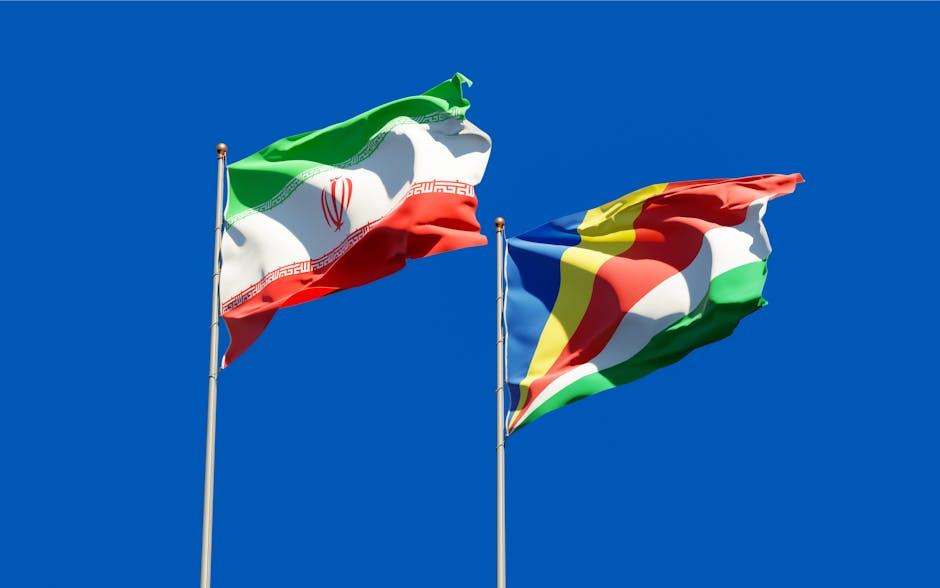
Understanding Multi-National Identity in a Globalized World
In an era where borders blur and cultures intersect, identity has transformed into a dynamic mosaic rather than a fixed concept. People today often find themselves navigating not one, but several cultural landscapes simultaneously, crafting an identity that draws from diverse traditions, languages, and values. This interconnectedness leads to a unique sense of belonging that transcends geography, allowing individuals to feel equally at home in multiple places around the globe. The rise of digital communication and global mobility fuels this phenomenon, making the experience of holding a multi-national identity increasingly common and accepted.
Living beyond borders involves embracing complexities and contradictions that come with blended cultural influences. It is characterized by:
- Fluid Adaptability: The ability to comfortably shift between different cultural norms and social cues.
- Hybrid Language Skills: A mix of fluency in various languages or dialects, often within a single conversation.
- Expanded Worldview: Greater empathy and understanding of diverse perspectives.
These traits not only enrich personal identity but also build bridges in a world requiring cross-cultural collaboration. Below is a quick comparison illustrating some key attributes distinguishing traditional single-national identity from multi-national identity:
| Aspect | Single-National Identity | Multi-National Identity |
|---|---|---|
| Cultural Reference | One dominant culture | Multiple overlapping cultures |
| Language Use | Primarily one language | Multilingual or code-switching |
| Sense of Home | Fixed geographic location | Several places, virtual or physical |
| Social Adaptation | Consistent social norms | Fluid and context-driven |
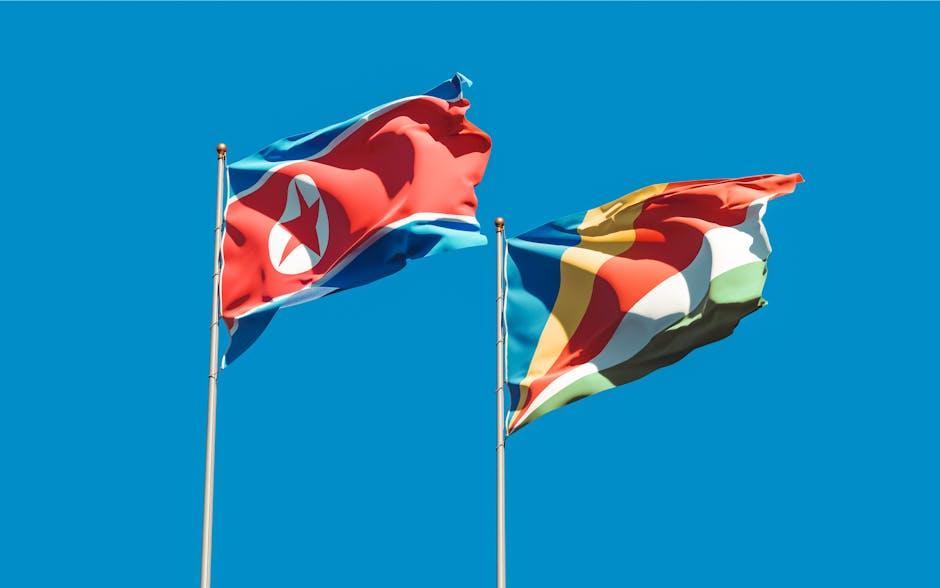
Cultural Fluidity and the Evolution of Personal Belonging
In a world increasingly interconnected by technology, migration, and shared global experiences, the notion of cultural belonging has become less rigid and more dynamic. Individuals no longer anchor themselves strictly to a single heritage or nationality; instead, they navigate a spectrum of identities that shift and evolve with context. This fluidity fosters a unique sense of self—one that embraces multiplicity rather than conformity, allowing people to draw from diverse traditions, languages, and value systems to define who they are. The boundaries of culture blur as we adopt practices and customs from around the world, crafting a personalized mosaic of identity that resonates deeply on an individual level.
This evolving paradigm has brought forth a new understanding of personal belonging that transcends geographic constraints and nationalistic labels. It is an intricate dance between the past and present, where individuals might celebrate a festival from one country, embody philosophies from another, and communicate in a blend of dialects. Such hybridity enriches perspectives but also challenges traditional communities to embrace inclusivity and reexamine their definitions of belonging.
- Embracing hybrid identities fosters empathy and global awareness.
- Multi-national identity encourages cultural dialogue beyond borders.
- Flexible belonging supports mental well-being through self-acceptance.
| Factor | Traditional View | Contemporary View |
|---|---|---|
| Language | Single native tongue | Multilingual fluency |
| Customs | Inherited family traditions | Blended cultural practices |
| Identity | Fixed nationality | Fluid multinational selves |
Navigating Challenges and Embracing Opportunities in Cross-Border Lives
Living across multiple countries often means managing complex emotional landscapes, where feelings of belonging and identity continuously evolve. The challenges are many—navigating different legal systems, overcoming language barriers, and contending with cultural expectations can sometimes feel overwhelming. However, these hurdles also cultivate resilience and adaptability. By embracing flexibility and cultivating a global mindset, individuals find unique ways to integrate diverse cultural elements into their daily lives, creating new traditions and social networks that transcend borders.
Opportunities arise not only in personal growth but also in professional arenas, where multi-national identities offer a distinct advantage. Understanding cross-cultural nuances enhances communication skills and fosters innovation, as these individuals can connect ideas from various cultural perspectives. Below is a brief look at some core benefits and challenges faced by those living cross-border:
| Aspect | Benefit | Challenge |
|---|---|---|
| Cultural Integration | Enhanced creativity and empathy | Identity conflicts or cultural misunderstandings |
| Legal & Documentation | Access to multiple markets and benefits | Complex bureaucracy and compliance issues |
| Language | Multilingual communication skills | Possible language fatigue or miscommunication |
- Building a hybrid identity strengthens personal flexibility and global connections.
- Networking worldwide opens doors in both social and business realms.
- Embracing continuous learning becomes essential to staying relevant and connected.
Strategies for Fostering Inclusive Communities and Policies
At the heart of cultivating truly inclusive environments lies the need for empathy-driven policies that acknowledge and celebrate the diverse tapestries of identity woven by multinational individuals. This means moving beyond assimilation tactics to embrace cultural hybridity, ensuring representation not just in demographics but in decision-making platforms. Practical steps include:
- Community Dialogues: Creating regular spaces where voices from all heritage backgrounds can express lived experiences and co-create solutions.
- Flexible Legal Frameworks: Designing policies that account for overlapping citizenships, transnational kinship ties, and cultural practices without forcing one-size-fits-all approaches.
- Education Reform: Embedding multicultural curricula that valorize multiple worldviews and histories, fostering understanding from early schooling.
Inclusive strategies also thrive on dynamic feedback mechanisms that adapt as communities evolve. Consider the following table illustrating key focus areas and their intended social impacts:
| Focus Area | Intended Impact |
|---|---|
| Legal Recognition of Dual/Multiple Identities | Reduce exclusion in civic participation |
| Cross-Cultural Resource Networks | Strengthen social support systems |
| Public Awareness Campaigns | Challenge stereotypes and promote acceptance |
By integrating these multifaceted approaches, communities can unlock the profound potential of multinational identities, turning perceived borders into bridges of belonging.
Empowering Individuals to Cultivate and Celebrate Multi-National Identities
In a world where boundaries blur and cultures intertwine, the power to shape one’s identity beyond traditional national confines emerges as a profound personal movement. Embracing a multi-national identity means valuing the richness of diverse heritages while forging a singular sense of self that transcends geographic limitations. This dynamic journey is fueled by global interconnectedness, where acquiring languages, traditions, and worldviews foments a vibrant, fluid identity that celebrates both individuality and collective belonging.
Cultivating such a layered identity is more than mere symbolism—it nurtures empathy and adaptability, essential traits in today’s multifaceted societies. Whether through travel, education, or digital communication, individuals actively construct their multifaceted identities by weaving together:
- Cultural narratives and art from multiple regions
- Customs and rituals shared across families
- Languages spoken and celebrated within communities
- Values and philosophies absorbed from diverse experiences
To better visualize this enrichment, consider the following table showcasing the elements blended in a multi-national identity:
| Element | Impact | Example |
|---|---|---|
| Language | Enhances communication and cultural connection | Speaking Spanish & Mandarin |
| Traditions | Fosters a sense of belonging across borders | Celebrating Diwali and Christmas |
| Values | Shapes personal ethics and worldview | Collectivism meets individualism |
Closing Remarks
As the lines that once defined nations blur and blend, the tapestry of identity grows ever more intricate. Living beyond borders is no longer just a concept but a lived reality for millions who navigate cultures, languages, and loyalties with fluid grace. This rise of multi-national identity challenges traditional notions of belonging, inviting us to embrace complexity and redefine what it means to call somewhere “home.” In this interconnected era, perhaps our truest allegiance is not to a single place—but to the rich, evolving mosaic of experiences that shape who we are.




