
In an increasingly interconnected world, the concept of identity has evolved beyond borders and passports. Dual citizenship, once a rarity, now serves as a bridge linking two distinct cultures, legal systems, and ways of life. Navigating this unique status requires more than just managing paperwork; it’s about harmonizing the privileges and responsibilities that come with belonging to two nations. This article explores the delicate balance of dual citizenship, offering insights into how individuals can seamlessly integrate their dual identities while embracing the opportunities and challenges that arise from living between two worlds.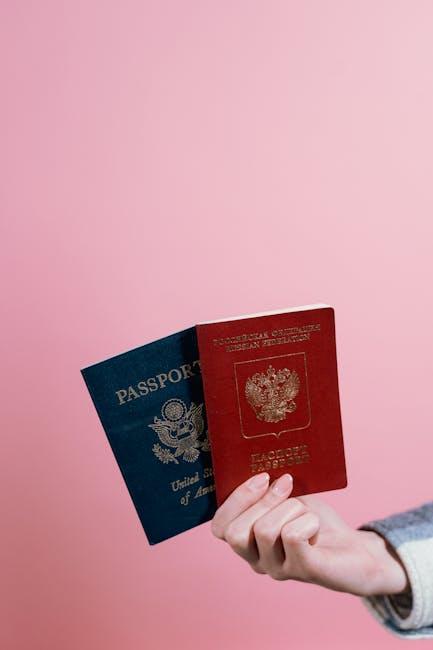
Understanding the Legal Landscape of Dual Citizenship
Dual citizenship is more than just a legal status; it is a complex web of rights, responsibilities, and international relations. Different countries have unique regulations governing dual citizenship — some embrace it as a symbol of global identity, while others impose strict limitations. The core of navigating dual citizenship lies in understanding how these laws interact. For instance, certain nations require dual citizens to fulfill obligations such as taxes or military service, while others may restrict political rights or government employment. Recognizing these nuances can empower individuals to enjoy the benefits of two homelands without unintended complications.
When exploring this path, it’s essential to be aware of several key legal aspects that shape the experience:
- Nationality laws: Varying rules about acquisition and loss of citizenship
- Tax implications: Potential for dual tax liabilities or relief treaties
- Consular protection: Understanding which country provides assistance in emergencies
- Travel restrictions: Visa requirements and visa-free access based on citizenship
- Inheritance and property rights: Divergent laws affecting assets across borders
| Country | Acceptance of Dual Citizenship | Special Conditions |
|---|---|---|
| Canada | Permitted | No requirement to renounce other citizenship |
| Japan | Restricted | Must choose one citizenship by age 22 |
| Germany | Limited | Allowed if dual nationality acquired at birth |
| South Africa | Allowed | Requires permission to retain South African citizenship |
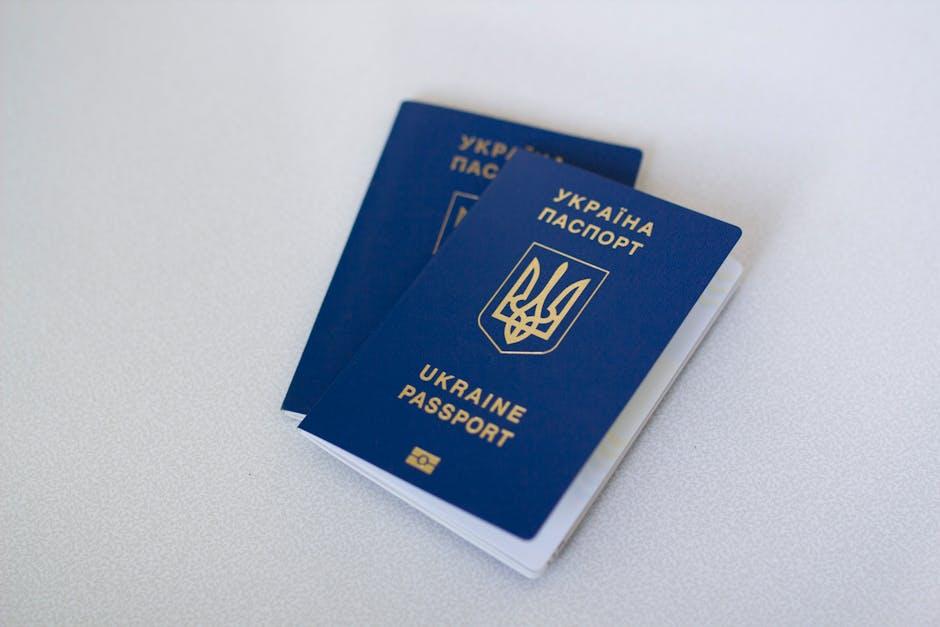
Balancing Cultural Identity and Personal Belonging
Embracing dual citizenship means weaving together diverse cultural threads into a cohesive tapestry of identity. This journey challenges individuals to carve out a unique space where traditions intersect and blend without losing their authenticity. Balancing these worlds requires self-awareness and a deliberate choice to honor both heritages, creating a mosaic enriched by language, customs, and values that resonate deeply on a personal level. It’s about finding comfort in the overlap — where festivals from one culture merge with everyday practices from another, and where the heart feels equally rooted in two landscapes.
Successful navigation of this dual belonging often hinges on embracing flexibility and celebrating diversity in daily life. Here are key elements that help foster this harmony:
- Open communication: Sharing stories and experiences with family and community fosters understanding and respect.
- Active participation: Engaging in cultural activities from both backgrounds strengthens the bond.
- Personal reflection: Regularly reassessing one’s values helps integrate evolving senses of self.
Consider the following perspectives balancing cultural identity and personal growth:
| Aspect | Challenges | Opportunities |
|---|---|---|
| Language | Maintaining fluency in both languages | Access to broader communities & perspectives |
| Traditions | Conflicting norms and expectations | Enriched celebrations and family bonds |
| Identity | Internal conflict and societal pressure | Access to diverse cultural insights and opportunities |
Maximizing Benefits While Managing Obligations
Owning dual citizenship is like having a golden ticket to two worlds, offering unparalleled access to diverse opportunities. To truly capitalize on this advantage, it’s essential to stay informed about the legal and financial responsibilities in each country. This means keeping track of tax laws, residency requirements, and any mandatory civic duties. Being proactive ensures you don’t miss out on benefits such as social security perks, healthcare access, and even educational programs tailored for citizens. Regular consultations with legal and financial advisors can help navigate this complex landscape with ease.
Efficiency in managing obligations often hinges on maintaining organized documentation and understanding where potential overlaps or conflicts may arise. Here’s a simple checklist to streamline dual citizenship management:
- Keep passport and ID renewals up to date in both countries
- Track tax declaration deadlines to avoid penalties
- Be aware of voting obligations and rights
- Verify residency rules before extended stays
- Understand property ownership laws and inheritance rules
| Benefit | Obligation |
|---|---|
| Access to consular protection worldwide | Filing annual tax returns in both countries |
| Eligibility for scholarships and grants | Mandatory military service (if applicable) |
| Flexible work and travel options | Compliance with immigration statuses |
Practical Tips for Travel and Documentation
Traveling with dual citizenship offers a world of flexibility but requires diligence to manage your documentation effectively. Always carry both passports when crossing borders and be aware of each country’s entry and exit regulations. Some countries may require you to use a particular passport upon entry or exit, so having your documentation organized and easily accessible can prevent delays or misunderstandings. Don’t forget to check visa requirements in advance and keep digital copies of essential documents handy for emergencies.
When handling paperwork related to dual citizenship, staying organized is key. Create a checklist including:
- Passport expiration dates and renewal deadlines
- Residency permits or visas for your secondary country
- Tax documents and reports, if applicable
- Records of legal name changes or status updates
- Emergency contact information in both countries
| Document | Recommended Action |
|---|---|
| Passport 1 | Check expiration 6 months before travel |
| Passport 2 | Carry alongside Passport 1 at all times |
| Visas | Verify eligibility and obtain in advance |
| Legal Documents | Keep certified copies stored safely |
Building a Support Network in Both Countries
Creating a strong support system in both countries is essential for anyone managing dual citizenship. This network acts as your personal bridge, helping you navigate cultural differences, bureaucratic hurdles, and everyday challenges. It’s not just about having friends or family nearby; it’s about establishing connections with communities that understand your unique experience. Consider joining local expat groups, cultural organizations, and online forums where you can share advice, celebrate traditions, and find reassurance in familiar faces. These connections provide emotional support and practical guidance, whether you’re dealing with healthcare, schooling, or legal matters.
Building a support network also means leveraging key resources that keep you informed and connected. Below is a simple table highlighting common types of support and examples relevant to dual citizens:
| Support Type | Example | Why It Matters |
|---|---|---|
| Cultural Associations | Heritage Clubs | Maintain cultural identity and celebrate traditions |
| Legal Advisors | Immigration Lawyers | Navigate citizenship and residency laws smoothly |
| Community Groups | Online Forums, Local Meetups | Exchange tips, build friendships, and stay informed |
By actively cultivating these relationships and knowing where to turn for help, you create a personal ecosystem that fosters both stability and growth — a true testament to bridging your two worlds effortlessly.
Closing Remarks
Embracing dual citizenship is much like weaving two distinct threads into a single, vibrant tapestry—each strand enriching your identity and broadening your horizons. While the journey may come with complexities, understanding and managing the responsibilities of holding two nationalities can open doors to unparalleled opportunities and deeper cultural connections. Ultimately, navigating dual citizenship is not just about balancing legalities; it’s about bridging two worlds seamlessly, crafting a unique place where you truly belong. As you step forward, let this dual heritage be a compass guiding you toward a more enriched and interconnected life.




