
In a world increasingly defined by borders both visible and invisible, the experience of holding dual citizenship offers a unique lens on identity, belonging, and belongingness. For American dual citizens, the intertwining of two national narratives creates a complex tapestry — one stitched with the threads of culture, loyalty, and legal obligation. This article embarks on a journey through the multifaceted life of an American dual citizen, exploring how navigating between two nations shapes not just legal status, but personal identity in profound and often unexpected ways.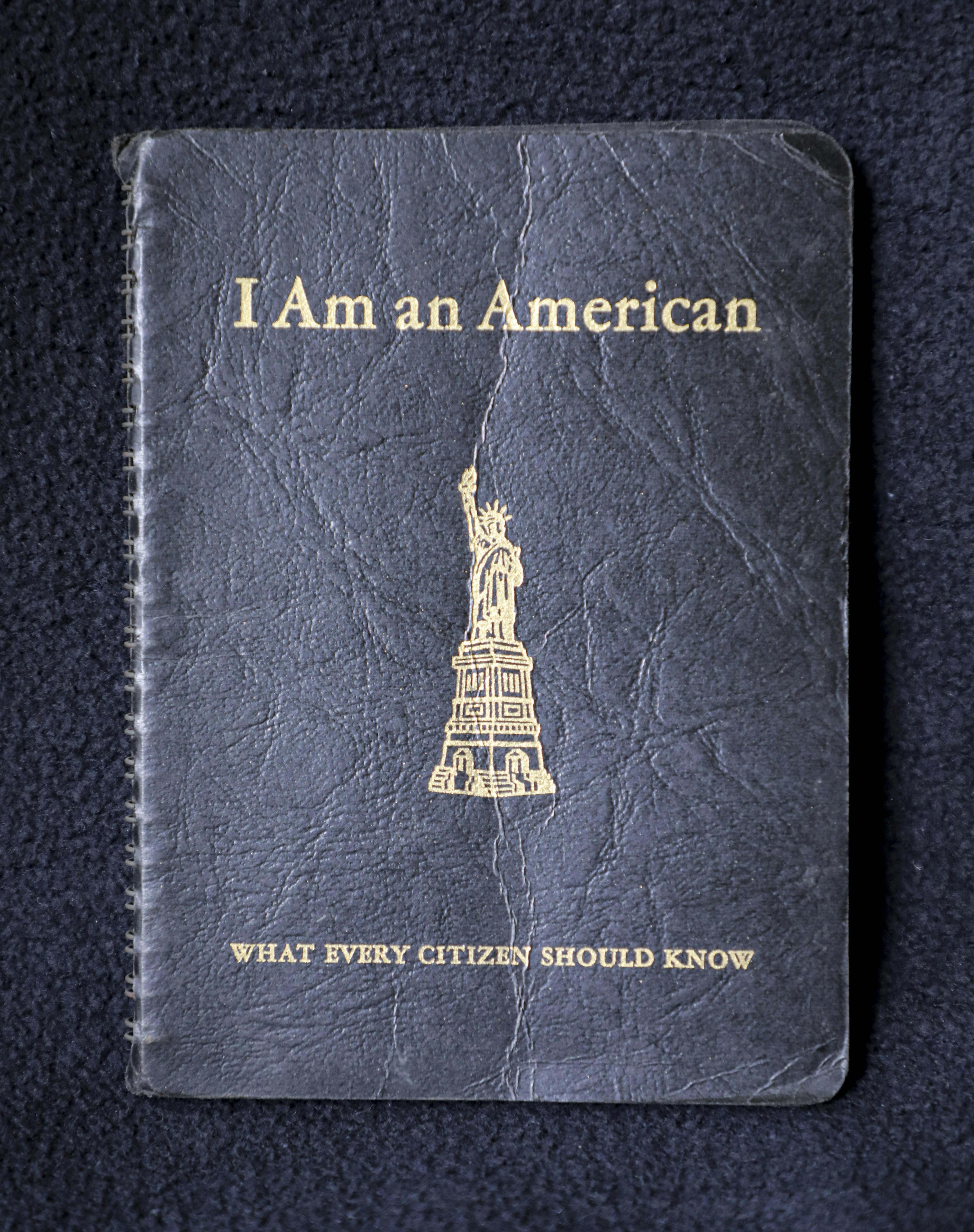
The Complex Dance of Belonging and Loyalty
Navigating the intricate interplay between two national identities often feels like walking a tightrope stretched between contrasting cultures, histories, and expectations. Every choice—be it celebrating a holiday, expressing a political opinion, or even adopting a mannerism—becomes a subtle negotiation of allegiance. For many dual citizens, this internal dialogue isn’t just about two passports but a profound engagement with what it means to belong. They oscillate between pride and conflict, weaving together threads of multiple heritages into an ever-evolving fabric of self.
This dynamic can create moments of profound connection and equally intense dissonance. Loyalty, then, isn’t a static commitment but a fluid state, influenced by circumstances and context. Many find themselves silently balancing:
- Cultural traditions unique to each identity
- Political and social expectations from both communities
- Emotional ties that span continents
- Personal values shaped by diverse experiences
Understanding this dance means recognizing that dual citizenship isn’t about choosing one side over the other but embracing the complexity of holding space for multiple loyalties simultaneously.

Balancing Legal Rights and Responsibilities Across Borders
Living as a dual citizen means embracing a unique blend of legal rights and responsibilities that come from two distinct national identities. For an American dual citizen, it’s not just about carrying two passports but recognizing how laws from both countries can influence everyday decisions—from taxation and voting to military service and inheritance rules. Navigating these waters requires an understanding that rights are often accompanied by equally significant obligations. For instance, while the ability to vote in two nations can empower one’s voice on global stages, it also means respecting the legal frameworks that define those rights, including compliance with tax codes or civic duties which may differ drastically.
To effectively manage these dual obligations, consider the following strategies:
- Stay informed about both nations’ evolving legal requirements to avoid inadvertent violations.
- Consult legal experts familiar with international law and dual citizenship cases to clarify complex situations.
- Maintain meticulous records of travel, tax payments, and legal paperwork to support transparency and compliance.
Understanding the balancing act between rights and responsibilities goes beyond legal compliance—it fosters a richer connection to both homelands, allowing dual citizens to appreciate the privileges and duties that come with their unique status. This synergy not only shapes personal identity but also strengthens the bridge between diverse cultures and political landscapes.
| Aspect | United States | Other Country |
|---|---|---|
| Voting Rights | Federal and state elections | Depends on citizenship laws |
| Taxation | Citizenship-based | Residence-based |
| Military Service | Selective Service registration required | Varies widely |
| Passports | Valid for 10 years | Varies |
Cultural Identity: Embracing Dual Heritage with Pride
Living with two cultural roots intertwining within you is both a challenge and a beautiful gift. It offers a dynamic perspective that transcends borders and traditions, allowing a person to appreciate the rich tapestries woven by both heritages. Embracing this dual identity means learning to balance the languages, customs, and values of each culture, often creating a personal blend that is as unique as a fingerprint. It is a celebration of diversity where one can enjoy traditional festivals from both worlds, savor the best of each cuisine, and cultivate an inclusive worldview that defies singular narratives.
- Language fluency: A daily dance between accents and idioms that enrich communication.
- Cultural customs: Adopting rituals that honor both the homeland and the adopted country.
- Community connections: Building relationships within multiple cultural circles.
| Challenge | Opportunity |
|---|---|
| Feeling torn between differing social expectations | Developing empathy and adaptability across cultures |
| Navigating identity during holidays and family gatherings | Creating new traditions that merge both backgrounds |
| Facing stereotypes or misconceptions | Educating others and championing multicultural awareness |
Practical Tips for Managing Finances and Taxes Internationally
Managing finances as an American dual citizen requires a keen eye for detail and a proactive approach. One of the most effective strategies is maintaining meticulous records of your income and expenses from both countries. This not only helps in tracking your financial health but also simplifies the process when tax season arrives. Consider using financial software tailored for international users, as these often have features that cater to currency conversions and cross-border transactions. Additionally, staying informed about the tax treaties between the United States and your other country of citizenship can prevent double taxation and potentially reduce your overall tax burden.
It’s crucial to remember that compliance with reporting requirements, such as the Foreign Bank Account Report (FBAR) and the Foreign Account Tax Compliance Act (FATCA), is non-negotiable. Ignorance can lead to hefty fines and legal complications. Here are some practical tips to keep your international finances in check:
- Regularly review exchange rates to optimize the timing of currency conversions.
- Consult a tax professional experienced in dual citizenship matters to navigate complex filings.
- Automate savings and bill payments to avoid missed deadlines across different time zones.
- Keep personal and business finances separate for clearer record-keeping.
| Financial Aspect | US Requirements | Dual Country Considerations |
|---|---|---|
| Tax Filing | Form 1040 & FBAR | Understand local tax forms & treaties |
| Bank Accounts | Report all foreign accounts | Monitor currency fluctuations |
| Investments | Declare global income | Check foreign investment restrictions |
Building a Support Network to Thrive in Both Worlds
Successfully navigating the intricacies of dual citizenship requires more than just embracing two passports—it demands a robust support system that understands the nuances of both identities. Cultivating relationships with individuals who share similar experiences offers invaluable emotional backing and practical advice. Whether through cultural groups, online communities, or local meetups, these connections serve as vital bridges that help ease the complexities of balancing two worlds. Being part of such networks encourages growth by fostering a space where challenges can be shared and celebrated milestones acknowledged, creating a foundation of belonging and empowerment.
To build a dynamic support network, consider exploring diverse sources of connections that complement both your American and other cultural backgrounds:
- Cultural associations that host events, language classes, or festivals
- Expat and dual citizen forums filled with resources and personal stories
- Professional groups that focus on international career development
- Family and friends who share or respect your bicultural journey
| Support Type | Benefits |
|---|---|
| Cultural Groups | Preservation of heritage, social events, language practice |
| Online Communities | 24/7 connection, advice exchange, diverse perspectives |
| Professional Networks | Career opportunities, mentorship, cross-cultural understanding |
The Way Forward
In the delicate dance between two flags, the dual citizen finds a unique rhythm—one shaped by the confluence of cultures, histories, and responsibilities. Navigating identity in this space is neither a simple choice nor a fixed destination; it is an ongoing journey of negotiation and acceptance. To be an American dual citizen is to carry the stories of two worlds within, embracing complexity with resilience and grace. As borders blur and connections deepen, this identity becomes a testament to the evolving nature of belonging itself—fluid, multifaceted, and profoundly human.




