
In a world increasingly woven together by migration, multiculturalism, and global connectivity, the concept of citizenship is evolving beyond single allegiance. Joint citizenship, or dual nationality, embodies this complex reality, offering individuals a unique portal between two distinct legal, cultural, and social landscapes. Yet, while the idea may sound like a straightforward passport to broader opportunities, the lived experience often involves navigating a delicate balance of rights, responsibilities, and identities. This article ventures into the nuanced terrain of dual citizenship—a phenomenon that is reshaping how we understand belonging in the 21st century—exploring both its promises and its paradoxes.
The Legal Landscape of Joint Citizenship
Legal frameworks governing dual citizenship vary immensely across the globe, weaving a complex tapestry of rights, responsibilities, and restrictions. While some countries embrace dual nationality, celebrating the cross-cultural bridges it builds, others impose stringent rules or outright forbid it to maintain clear allegiances. It is essential to appreciate that legality often hinges on four key elements:
- Recognition: Whether a nation legally accepts dual citizenship.
- Rights: The political, social, and economic benefits granted to dual nationals.
- Obligations: Taxation, military service, and other duties required from dual citizens.
- Conflicts: How conflicting laws between countries are managed in cases of dual allegiance.
To better understand the diversity in legal policies, consider this simplified snapshot of citizenship stances in select countries:
| Country | Dual Citizenship Status | Key Legal Note |
|---|---|---|
| Canada | Permitted | No loss of citizenship upon acquiring another nationality |
| Germany | Restricted | Often requires renunciation of prior citizenship |
| India | Not permitted | OCI status offered as an alternative |
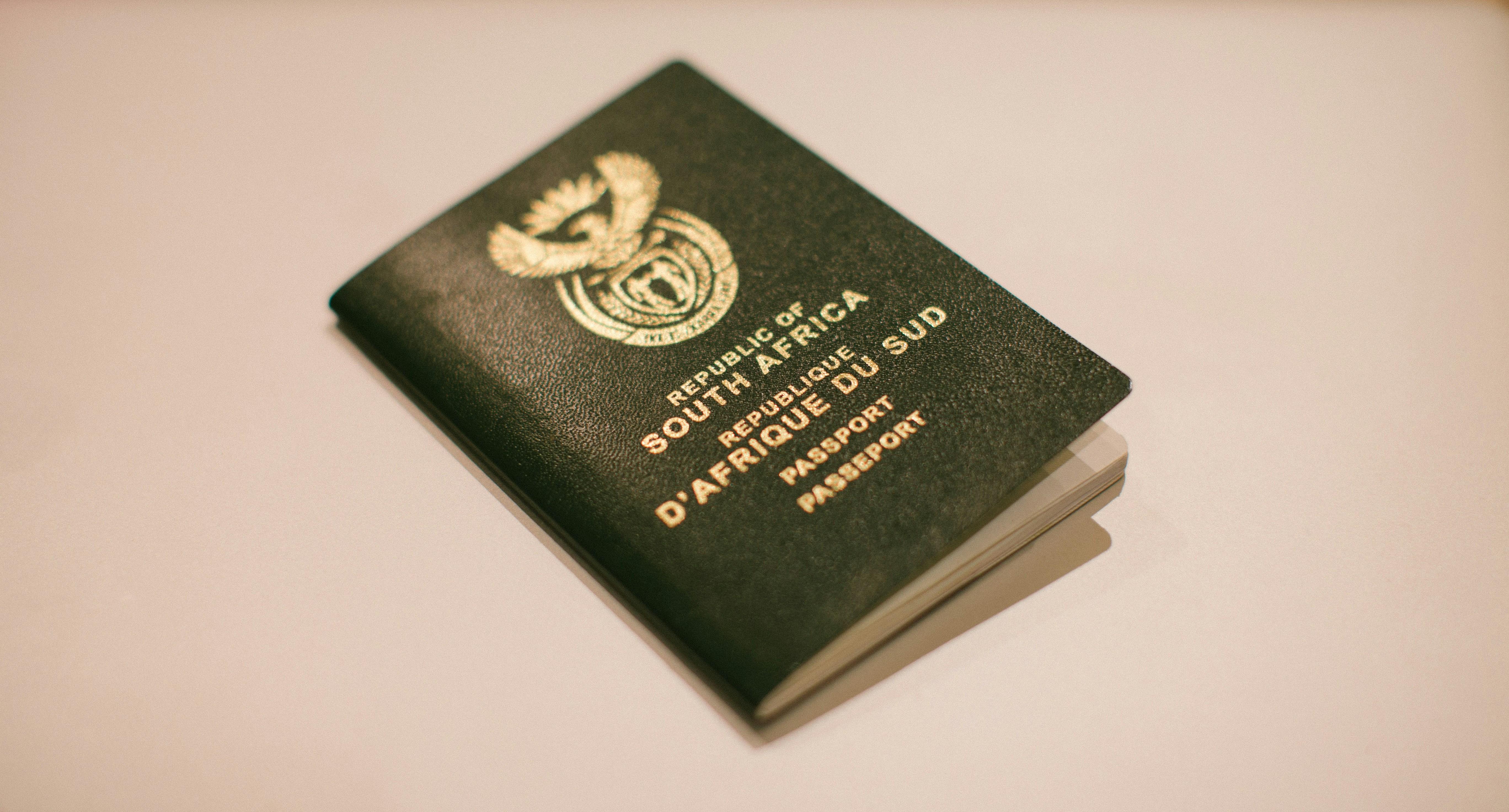
| South Africa | Permitted with conditions | Requires prior government approval |
Balancing Rights and Responsibilities Across Borders
Holding dual citizenship opens a gateway to a myriad of opportunities, yet it also demands a delicate equilibrium between different legal systems, cultural expectations, and civic engagements. Navigating this landscape requires a conscientious understanding that rights granted in one nation often come hand-in-hand with responsibilities that stretch beyond familiar borders. From voting in multiple elections to fulfilling tax obligations, the dual citizen must dance carefully between privileges and duties, ensuring that allegiance to one country doesn’t inadvertently breach the laws or expectations of another.
Key considerations for dual citizens include:
- Recognizing differing legal rights related to property ownership and inheritance laws.
- Understanding how conscription or mandatory service might apply.
- Staying informed about tax treaties and reporting requirements in both countries.
- Balancing cultural identities without compromising on civic responsibilities.
| Aspect | Potential Rights | Associated Responsibilities |
|---|---|---|
| Voting | Participation in elections in both countries | Staying informed, abiding by election laws |
| Taxes | Access to social benefits | Compliance with dual tax filing regulations |
| Travel | Ease of movement between countries | Adhering to visa and immigration statuses |
Cultural Identity and the Dual Citizen Experience
Living with joint citizenship often means embracing a vibrant fusion of cultures that shape one’s worldview in intricate and fascinating ways. Individuals with dual nationality frequently find themselves walking the line between two sets of traditions, languages, and social norms. This unique position can foster a richer cultural understanding and adaptability, yet it can also prompt questions about where one truly belongs. Identity in such cases becomes less about exclusive allegiance and more about weaving multiple narratives into a cohesive self-image.
Those navigating this experience often cultivate skills that extend beyond language proficiency or cultural knowledge. The dual citizen experience nurtures:
- Empathy: Insight into diverse perspectives encourages deeper connections across communities.
- Flexibility: The ability to shift cultural gears allows for smoother interactions in different social and professional environments.
- Resilience: Overcoming moments of cultural conflict or identity questioning builds emotional strength.
Here’s a simple breakdown of common emotional and practical facets faced by dual citizens:
| Aspect | Challenge | Strength Gained |
|---|---|---|
| Language | Navigating fluency disparities | Multilingual communication skills |
| Belonging | Feeling torn between two communities | Expanded social networks |
| Legal Status | Managing dual legal obligations | Broader global mobility |
Practical Challenges and How to Overcome Them
Balancing the obligations and privileges of dual citizenship often leads to a series of intricate challenges. Issues such as tax liabilities in multiple countries, conflicting legal requirements, and mandatory military service can create unintended stress for individuals. To navigate these complexities, one practical approach is to maintain clear and updated documentation of legal obligations for both countries. Establishing a reliable network of legal and financial advisors familiar with both jurisdictions can also provide tailored guidance, allowing dual citizens to stay compliant without feeling overwhelmed.
Furthermore, cultural integration poses its own hurdles, especially when customs and societal expectations differ significantly. Embracing open communication and fostering cultural flexibility are key strategies to mitigate feelings of dual identity conflict. Below is a simple table highlighting common dual citizenship challenges alongside effective solutions:
| Challenge | Solutions |
|---|---|
| Taxation in Both Countries | Consult cross-border tax specialists; Utilize tax treaties |
| Legal Obligations | Keep updated on laws; Retain legal counsel fluent in both legal systems |
| Military Service Requirements | Seek exemptions or deferments where applicable |
| Cultural Adaptation | Engage in community events; Practice cultural empathy |
Strategies for Maximizing Benefits and Minimizing Conflicts
Effectively managing the advantages and challenges of dual citizenship begins with informed planning and clear prioritization. Individuals should identify their primary needs—whether it’s career opportunities, education, healthcare, or family ties—and align their decisions accordingly. This clarity helps in navigating differing legal systems and obligations. Proactively maintaining up-to-date knowledge about the citizenship laws in both countries can prevent unintended conflicts, such as tax liabilities or mandatory military service. Additionally, actively engaging with official consular services and expatriate communities provides invaluable support and practical insights.
Practical tools and frameworks can greatly ease the complex balancing act. For example:
- Organize documents: Keep passports, residence permits, tax records, and other crucial paperwork in a systematic, accessible manner.
- Create a personalized conflict-resolution checklist: Address common dual citizenship conflicts like voting rights, property ownership, and social benefits with predefined steps.
- Seek expert advice: Legal and financial professionals empower informed decision-making, cutting through bureaucratic ambiguity.
| Common Issue | Maximizing Benefit | Minimizing Conflict |
|---|---|---|
| Tax Obligations | Utilize tax treaties & exemptions | File timely & consult tax advisors |
| Military Service | Explore deferment options | Understand conscription laws early |
| Legal Rights | Exercise voting & property rights | Comply with local legal requirements |
In Retrospect
As the world grows ever more interconnected, the tapestry of identity becomes richer and more complex. Navigating dual paths through joint citizenship is not merely a legal status but an intimate journey of balancing cultures, responsibilities, and opportunities. Understanding its realities means embracing both the privileges and challenges that come with holding two national hearts. Whether a bridge or a balancing act, dual citizenship invites us to redefine what it means to belong—and to carry forward the stories of multiple homelands with grace and clarity.




