
In an increasingly interconnected world, the concept of borders has taken on new complexities, especially for those who walk between nations with the privilege—or the necessity—of dual nationality. Holding dual national passports opens doors to diverse cultures, opportunities, and identities, yet it also presents unique challenges and responsibilities. “Navigating Borders: The Essentials of Dual National Passports” dives into the nuances of this modern phenomenon, exploring how dual citizens manage the delicate balance of allegiance, legalities, and practicalities that come with crossing lines on paper and beyond. Whether for personal freedom, family ties, or global mobility, understanding the essentials of dual national passports is key to mastering the art of living—and traveling—between worlds.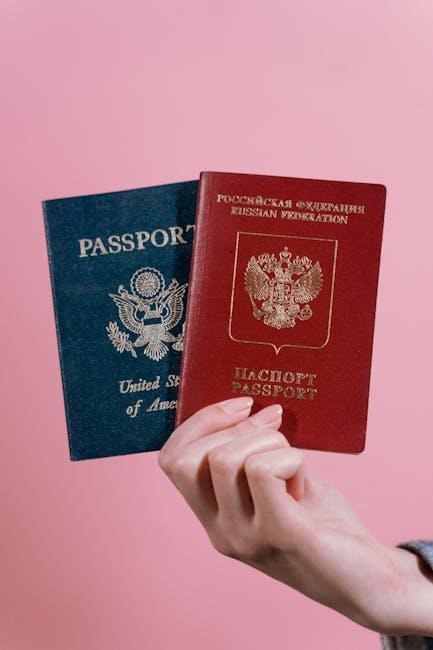
Understanding Dual National Passports and Their Legal Implications
Possessing passports from two countries opens a gateway to a unique set of privileges and challenges. Dual national passports allow travelers the freedom to enter multiple jurisdictions without the need for visas or lengthy paperwork. However, it also comes with certain responsibilities, such as abiding by the legal frameworks of both nations. Understanding the nuances of citizenship laws, including tax liabilities and mandatory military service, is crucial before leveraging these passports for international mobility.
It’s important to recognize that holding dual nationality can lead to complex legal scenarios, such as issues with extradition, conflicting diplomatic protection, or challenges related to consular assistance. The table below summarizes key legal considerations that individuals with dual passports often face:
| Legal Aspect | Potential Implications | Actionable Advice |
|---|---|---|
| Taxation | Double tax obligations in both countries | Consult international tax experts |
| Military Service | Mandatory enlistment requirements | Verify exemption policies |
| Consular Protection | Restricted diplomatic aid if in the country of second citizenship | Register with embassies of both nations |

Maximizing Travel Freedom While Complying with Immigration Laws
Traveling with dual national passports unlocks unparalleled freedom, but it demands a keen understanding of the specific immigration regulations tied to each nationality. Navigating entry and exit requirements becomes a strategic exercise in compliance and convenience. Travelers must remember that possessing multiple passports doesn’t exempt them from visa requirements or registration mandates in many countries. Staying updated on the laws where you hold citizenship is crucial to avoid unexpected detentions or fines at borders. Additionally, timely disclosure of your dual citizenship status when required can unblock potential bureaucratic hurdles.
To maintain seamless global mobility, consider these key practices:
- Regularly check visa validity across both passports before traveling.
- Understand conflicting laws that might impact re-entry or length of stay restrictions.
- Carry documentation explaining your dual status for border officials.
- Use the passport most advantageous for the destination country’s entry policies.
| Country | Visa on Arrival? | Recommended Passport |
|---|---|---|
| United Arab Emirates | Yes | UAE Passport |
| Germany | No | German Passport |
| India | No | Indian Passport |
| Brazil | Yes | Brazilian Passport |
Practical Tips for Managing Multiple Passports During International Trips
Keeping your passports organized is crucial when juggling multiple travel documents. Always store them in a dedicated travel wallet or secure pouch to avoid misplacement. Before you set off, check the entry and exit requirements for each country on your itinerary—some nations may require you to use a specific passport based on your citizenship or visa needs. Keep digital copies of your passports on your phone or cloud storage as a safety net, but never solely rely on these; carry the physical originals at all times.
When crossing borders, present the passport most advantageous for your current leg of travel to ensure smoother processing. Inform immigration officers if holding dual citizenship, particularly if that country is your departure or destination point. Below is a simple guide to help you decide which passport to use in common scenarios:
| Travel Scenario | Recommended Passport | Reason |
|---|---|---|
| Flying into your country of nationality | Passport from that country | Easier customs clearance and residence rights |
| Transit through a third country | Passport with visa-free access | Avoids visa fees & reduces wait times |
| Business or tourist visa application | Passport with stronger visa privileges | Improves approval chances |
- Stay updated on expiration dates, visa stamps, and entry stamps in all passports.
- Inform airlines and border officials proactively to prevent confusion.
- Keep a travel checklist tailored to the documents needed per border crossing.
Navigating Challenges and Avoiding Common Pitfalls with Dual Citizenship
Juggling dual citizenship can open doors to incredible opportunities, but it also demands a proactive approach to sidestep common obstacles. For instance, tax obligations can become complex when each country views income reporting differently. Without careful planning, individuals may face unexpected liabilities or filing requirements. Staying informed about each country’s regulations and consulting tax professionals can make a world of difference in managing financial responsibilities smoothly. Additionally, maintaining valid passports and understanding entry-exit rules is crucial, as some nations may restrict travel or impose penalties if the proper document is not presented.
Another frequent challenge lies in reconciling conflicting legal systems and cultural expectations. Dual nationals often encounter situations where laws regarding military service, property ownership, or political participation differ significantly, potentially leading to misunderstandings or penalties. Below is a quick reference table outlining common pitfalls and strategic tips to navigate them efficiently:
| Challenge | Potential Consequence | Proactive Solution |
|---|---|---|
| Tax Compliance | Double taxation or penalties | Hire an international tax advisor |
| Military Obligations | Mandatory conscription or legal issues | Understand local conscription laws early |
| Passport Validity | Denied entry or travel delays | Keep all passports up-to-date |
| Legal Conflicts | Conflicting regulations | Consult with legal experts in both countries |
Strategic Planning for Renewals, Visas, and Emergency Situations
Staying ahead of your passport’s expiration date is crucial when juggling multiple nationalities. A well-organized calendar to track renewal deadlines can save you from unexpected travel disruptions. Prioritize understanding each country’s specific visa requirements, as they often differ significantly even when holding dual passports. When planning your trips, make use of digital document storage to keep soft copies of visas, renewal notices, and emergency contacts readily accessible. This proactive approach ensures seamless transitions between jurisdictions and mitigates the risk of bureaucratic delays.
Emergencies demand swift action, and having a clear strategy for accessing consular assistance across borders can be a lifesaver. Develop a personalized checklist including:
- Emergency embassy contact numbers for both nations
- Medical facilities with language support
- Local laws pertaining to dual nationals
Below is a quick reference table highlighting essential steps for emergencies while abroad, tailored for dual passport holders:
| Situation | Immediate Action | Useful Resource |
|---|---|---|
| Lost Passport | Report to nearest embassy/consulate | Dual-national support hotline |
| Medical Emergency | Contact local emergency services | Health insurer with dual-coverage |
| Legal Trouble | Request consular assistance immediately | Legal aid networks for expatriates |
Concluding Remarks
As our world becomes increasingly interconnected, the lines that once defined nationality and identity continue to blur. Navigating the complexities of dual national passports is more than a logistical challenge—it’s an exploration of belonging, freedom, and opportunity. Whether for travel, work, or personal connection, understanding the essentials of managing multiple citizenships equips you to move seamlessly across borders, both physical and cultural. Embrace the privileges and responsibilities that come with dual nationality, and let your passports be not just documents, but gateways to a broader world.




