
In a world shaped by shifting borders and evolving policies, the expertise of immigration specialists offers a unique lens into the complexities of human movement. “Inside the Minds of Immigration Experts: Insights and Trends” delves beyond headlines and data, inviting readers to explore the layered perspectives that guide decisions, influence policy, and shape lives. By unpacking the trends and thoughts that define this dynamic field, this article illuminates the challenges and opportunities at the heart of immigration today.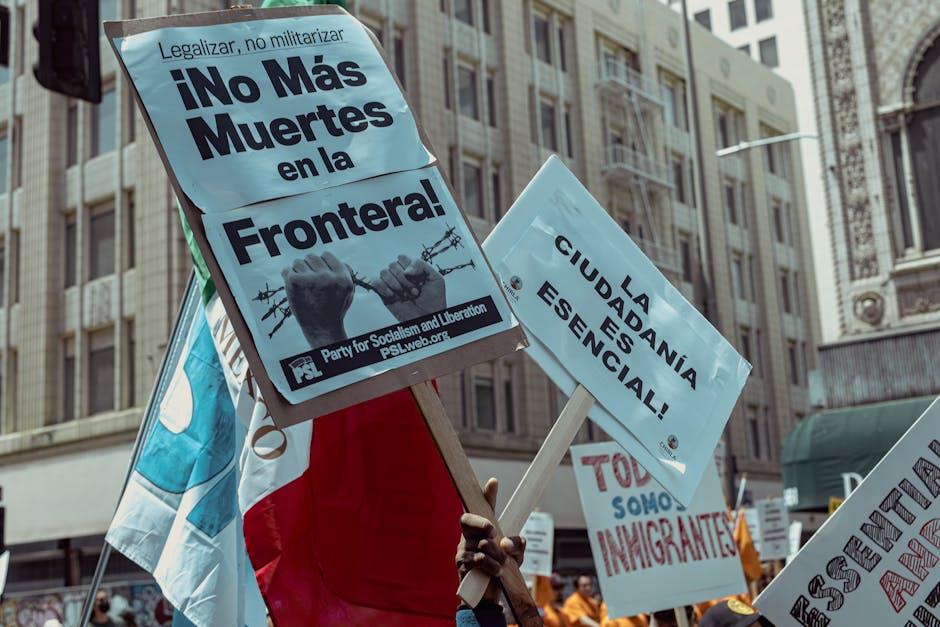
Understanding the Cultural Nuances Shaping Immigration Policies
Immigration policies are often viewed through the lens of legality and economics, but beneath these layers lies a tapestry woven with cultural values, beliefs, and historical contexts. Experts emphasize that understanding these cultural nuances is essential to crafting policies that are both effective and respectful of diverse communities. For instance, the importance of family reunification in many societies influences how visa categories are structured, while the collective memory of past migrations shapes public sentiment and governmental priorities. By appreciating these subtle cultural undercurrents, policymakers can anticipate challenges and design more humane frameworks.
- Community integration: Policies reflect varying expectations about assimilation and multiculturalism.
- Historical relationships: Former colonial ties or geopolitical alliances often impact immigration flows and policy leniency.
- Religious influences: Faith-based values can affect both public opinion and legal provisions.
| Culture | Policy Focus | Key Impact |
|---|---|---|
| Collectivist | Family unity programs | Enhanced visa quotas for relatives |
| Individualist | Merit-based entry | Point systems emphasizing skills |
| Post-colonial | Preferential treatment | Streamlined processing for former colonies |
Immigration experts continually highlight that overlooking these cultural dimensions leads to policies that may inadvertently alienate immigrant communities or foster resentment among host populations. Embracing cultural intelligence allows governments to move beyond rigid frameworks, encouraging dialogues that incorporate diverse perspectives. This dynamic approach not only improves policy responsiveness but also strengthens social cohesion by signaling respect for the intricate identities that migrants carry with them. By bridging cultural understanding with practical governance, the immigration landscape becomes a space of opportunity rather than conflict.

Emerging Trends Influencing Global Migration Patterns
Global migration is being reshaped by a confluence of dynamic forces, each altering the fabric of human mobility in profound ways. Among the most significant catalysts are climate change, which is increasingly driving displacement due to rising sea levels and extreme weather events, and the rapid pace of technological advancement that both enables and complicates relocation. Digital connectivity is forging new pathways for economic migrants and refugees alike, while geopolitical tensions and evolving immigration policies continue to redefine borders and opportunities.
Experts highlight several transformative factors shaping these trends:
- Remote work proliferation: Empowering professionals to migrate without geographical constraints.
- Urbanization pressures: Pushing rural populations toward cities and across borders.
- Policy innovation: Countries experimenting with flexible visa regimes and integration models.
- Socio-economic inequality: Acting as a persistent push factor in migration decisions.
| Trend | Impact on Migration | Regions Most Affected |
|---|---|---|
| Climate Change | Displacement & resource scarcity | South Asia, Pacific Islands |
| Tech-Driven Mobility | Remote job migration | North America, Europe |
| Policy Adaptation | Flexible integration | OECD Countries |
The Role of Technology in Streamlining Immigration Processes
In today’s digital era, technology acts as a catalyst for transforming immigration workflows, making them more efficient and transparent. From AI-powered document verification to automated appointment scheduling, innovative tools are radically reducing the traditional bottlenecks that applicants often face. Immigration agencies are adopting machine learning algorithms to sift through vast amounts of data quickly, enabling faster decision-making while minimizing human error. With blockchain technology emerging as a secure way to verify identities and credentials, the entire process becomes more reliable and resistant to fraud.
Key technological advancements revolutionizing immigration include:
- Automated case management systems that track application progress in real time
- Virtual interviews powered by video conferencing and AI for language translation
- Mobile apps providing instant updates and document uploads for applicants
- Biometric identification to enhance security and streamline entry procedures
| Technology | Purpose | Impact |
|---|---|---|
| AI Document Scanning | Verify accuracy and authenticity of documents | Reduces processing time by 40% |
| Blockchain | Securely store and share applicant data | Minimizes fraud risk |
| Mobile Alerts | Notify applicants of status changes instantaneously | Improves communication and satisfaction |
Balancing Security and Compassion in Border Management
Navigating the delicate interplay between ensuring national security and extending empathy to those crossing borders is a challenge that demands nuanced approaches. Immigration experts emphasize the importance of technology-driven solutions that simultaneously detect threats and identify vulnerable individuals in need of protection. These advancements allow border authorities to maintain vigilance without compromising humane treatment, fostering an environment where security measures support rather than hinder compassion.
The implementation of policies that value both safety and dignity often revolves around a few key principles:
- Risk assessment with a human face: Prioritizing individuals’ backgrounds while considering humanitarian factors.
- Training and empathy: Equipping border staff with tools to handle stressful encounters with sensitivity.
- Community engagement: Collaborating with local organizations to provide support and integration resources.
| Strategy | Focus | Outcome |
|---|---|---|
| Smart Surveillance | Threat Detection | Enhanced Safety |
| Human-Centered Interviews | Empathy & Trust | Successful Identification |
| Collaborative Programs | Community Support | Better Integration |
Practical Recommendations for Navigating Complex Immigration Systems
Successfully navigating complex immigration systems often demands a strategic blend of preparation, persistence, and the right resources. Experts emphasize the importance of early and thorough documentation—keeping all paperwork organized and up to date can save precious time during unexpected requests or audits. Additionally, understanding local laws and frequent policy changes by subscribing to official newsletters or consulting with accredited immigration professionals is invaluable. Leveraging technology, such as digital trackers or specialized apps, can streamline application progress and reduce stress by sending timely reminders.
Building a support network is another critical yet sometimes overlooked tactic. Engaging with community groups, legal aid organizations, or advocacy groups can provide emotional backing and practical advice tailored to specific immigration challenges. Below is a simple roadmap many experts suggest for applicants:
| Step | Key Action | Why It Matters |
|---|---|---|
| 1 | Collect All Required Documentation | Prevents delays and strengthens case credibility |
| 2 | Stay Updated on Policy Changes | Ensures compliance with the latest regulations |
| 3 | Seek Expert Advice Early | Tailors approach and avoids costly mistakes |
| 4 | Join Support Networks | Provides emotional and practical support |
To Conclude
As we close this window into the world of immigration experts, the intricate tapestry of perspectives and predictions leaves us with much to ponder. Their insights reveal not just the evolving trends on the horizon, but also the enduring human stories that shape policies and lives alike. In navigating the complexities of immigration, these voices guide us toward a deeper understanding—reminding us that behind every statistic lies a journey, and within every policy, a chance to build bridges for the future.




