
In an age where the world feels simultaneously vast and intimately connected, the phenomenon of global immigration stands as one of the most compelling and complex narratives of our time. Borders, once rigid lines etched on maps, now serve as gateways to new dreams, challenges, and cultural exchanges. “Crossing Borders: Exploring the Tides of Global Immigration” invites readers to navigate the ever-shifting currents of human movement—where journeys are shaped by hope and hardship, opportunity and uncertainty. Through this exploration, we seek to understand not only the patterns and policies but also the deeply human stories that unfold when people traverse the lines that both divide and unite us.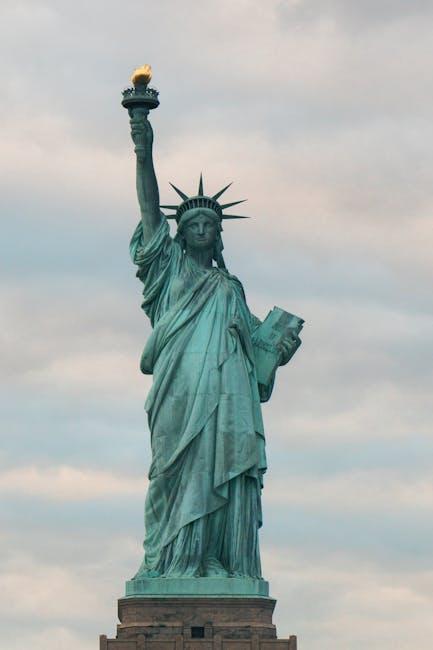
The Historical Currents Shaping Global Immigration Patterns
From ancient trade routes to colonial expansions, the movement of peoples across continents has been propelled by powerful forces that continue to shape migration trajectories today. Economic opportunity, political upheaval, and environmental challenges have long served as catalysts, while advancements in transportation have gradually dissolved geographical barriers. The ebb and flow of migration often mirror the shifting tides of global power—empires rising and falling, wars sparking displacement, and newfound industries drawing hopeful workers in vast waves.
Several key historical currents stand out as formative influences on the patterns we observe in modern immigration:
- Colonial Legacies: The redrawing of borders and resource exploitation set the stage for mass migrations between the colonizing powers and their territories.
- Industrial Revolutions: Urbanization and factory work magnetized rural populations internally and attracted foreign laborers.
- Conflict & Refugee Movements: Wars and persecution forced millions to seek safety across seas and continents.
- Globalization & Technology: Rapid communication and transportation networks created new possibilities and routes for migration.
| Era | Influence | Migration Impact |
|---|---|---|
| 15th-18th Century | Colonial Expansion | Forced and voluntary migrations; transatlantic slave trade |
| 19th Century | Industrialization | Urban labor migration, diaspora formations |
| 20th Century | World Wars | Mass displacement, refugee crises |
| 21st Century | Globalization | Increased mobility, skilled and economic migration |
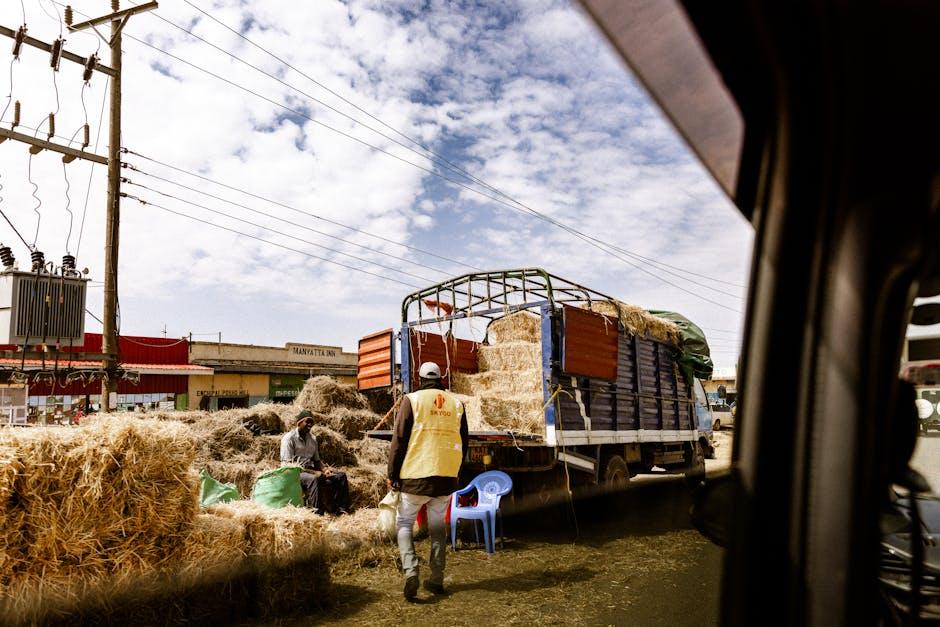
Navigating Economic Waves The Impact of Migration on Labor Markets
The ebb and flow of migration continues to reshape labor markets worldwide, creating dynamic ecosystems where skills, industries, and economies intertwine. Migrants often fill vital roles in sectors experiencing labor shortages, from agriculture to technology, thus acting as catalysts for growth. Their presence introduces not only a diverse skill set but also fosters innovation and competitive edge. However, this interchange also demands adaptive policies to balance supply and demand effectively, ensuring both migrants and native workers thrive.
Understanding the multifaceted impact involves recognizing key factors such as:
- Skill composition and educational background of migrants
- Geographical distribution and concentration in urban versus rural areas
- Sector-specific labor market shifts driven by migration inflows
- Wage dynamics and employment opportunities for local workers
| Sector | Migration Impact | Labor Market Effect |
|---|---|---|
| Healthcare | Supplemented workforce | Reduced shortages, improved service delivery |
| Construction | Expanded labor pool | Increased project completion rates |
| Technology | Introduced specialized skills | Accelerated innovation and development |
Cultural Confluences Challenges and Opportunities in Multicultural Societies
In an era where migration shapes urban landscapes and personal identities, the blend of cultures within a society can lead to both enriching experiences and complex tensions. At the heart of these dynamics is the challenge of embracing diversity while fostering cohesion. Multicultural societies often grapple with language barriers, social integration issues, and differing cultural norms that can hinder mutual understanding. Yet, these very hurdles also ignite opportunities for innovation in education, business, and community programming as people learn to navigate and appreciate varied perspectives.
Strategically harnessing the benefits of cultural confluence requires deliberate actions and inclusive policies. Consider the following elements that often define successful multicultural engagement:
- Intercultural dialogue: Facilitating open conversations that celebrate both shared values and distinct traditions.
- Inclusive economic growth: Creating job opportunities that welcome and leverage diverse skill sets.
- Community-led initiatives: Empowering local groups to design solutions reflective of their unique cultural makeup.
| Challenge | Opportunity | Impact |
|---|---|---|
| Language divides | Multilingual education programs | Enhanced communication and inclusivity |
| Cultural misunderstandings | Cultural exchange festivals | Broadened community empathy |
| Social fragmentation | Community mentoring networks | Stronger social bonds |
Legal Landscapes Crafting Policies for Fair and Humane Immigration
The mosaic of immigration policies across nations reflects a delicate equilibrium between sovereign rights and humanitarian obligations. Crafting frameworks that emphasize fairness and dignity demands a nuanced understanding of diverse socio-political contexts. Lawmakers often grapple with competing priorities — from securing borders to honoring the rights of those seeking refuge or better opportunities. These dynamics underscore the importance of collaboration between governments, international bodies, and civil society to foster policies grounded in empathy and justice.
Integral to this endeavor is the recognition of core principles that guide policy development:
- Non-discrimination: ensuring equal treatment irrespective of nationality or status.
- Due process: guaranteeing transparent and fair legal procedures.
- Protection of human rights: safeguarding vulnerable populations from exploitation and harm.
- Integration support: facilitating social and economic inclusion for newcomers.
| Policy Element | Focus Area | Impact |
|---|---|---|
| Border Management | Security & Regulation | Controlled Entry Points |
| Asylum Procedures | Refugee Protection | Expedited and Fair Hearings |
| Labor Mobility | Economic Inclusion | Access to Work Permits |
| Community Integration | Social Cohesion | Language and Cultural Support |
Bridging Divides Fostering Integration and Community Cohesion
At the heart of any thriving multicultural society lies the ability to bridge cultural gaps and nurture a spirit of collective belonging. Communities that prioritize open dialogues and shared experiences often witness a transformation where diversity becomes a celebrated strength rather than a source of division. Key factors driving this transformation include:
- Inclusive education that fosters empathy and global awareness.
- Community-led initiatives creating safe spaces for interaction.
- Support networks that assist newcomers in navigating their new environments.
To illustrate the impact of these efforts, consider the following overview of community integration approaches and their outcomes:
| Approach | Key Action | Outcome |
|---|---|---|
| Language & Cultural Workshops | Interactive Classes | Enhanced Communication |
| Intercultural Festivals | Community Celebrations | Stronger Social Bonds |
| Mentorship Programs | Peer Support Networks | Accelerated Integration |
By intentionally weaving these approaches into community fabric, societies can foster resilience and harmony, helping everyone feel a genuine sense of home regardless of origin.
Key Takeaways
As the tides of global immigration continue to rise and recede, they carry with them stories of hope, challenge, and transformation. Crossing borders is more than a physical journey; it is a voyage that reshapes identities, economies, and cultures across the world. In embracing the complex currents of migration, we open ourselves to new perspectives and a deeper understanding of our shared humanity. The journey is ongoing, and with every crossing, we are reminded that humanity’s true strength lies not in the borders we draw, but in the bridges we build.




