
In a world where borders often define the limits of opportunity and belonging, the threads that bind families together weave a story of hope, resilience, and connection. Family-based immigration is more than a legal process—it is a journey fueled by the universal desire to reunite loved ones and build new lives side by side. This article explores the intricate pathways and personal narratives that shape the experience of family-based immigration, revealing how policies and human stories intersect to create a tapestry of shared dreams and enduring bonds.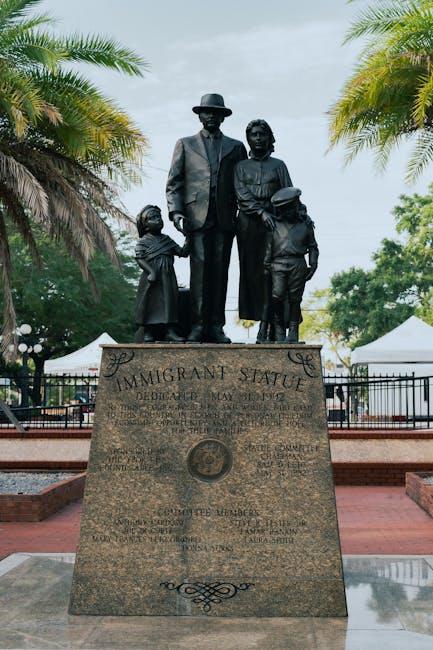
Understanding the Emotional Landscape of Family-Based Immigration
Family-based immigration is more than just paperwork and legal procedures; it’s an emotional odyssey that intertwines hope, anxiety, and resilience. The anticipation of reunification can fill hearts with joy, yet the uncertainty of timelines and outcomes often casts a shadow of stress. Individuals find themselves navigating a maze of emotions, such as:
- Excitement at the prospect of new beginnings alongside loved ones
- Frustration born from prolonged waiting periods
- Vulnerability due to cultural adjustments and unknown challenges
Understanding these emotional layers offers a profound perspective on why family-based immigration is not just a journey of relocation, but a reweaving of familiar bonds that sustain human connection across borders.
| Emotion | Common Experience | Impact |
|---|---|---|
| Hope | Dreaming of reunion | Drives perseverance |
| Anxiety | Waiting for approval | Challenges mental health |
| Joy | First reunion | Strengthens family bonds |
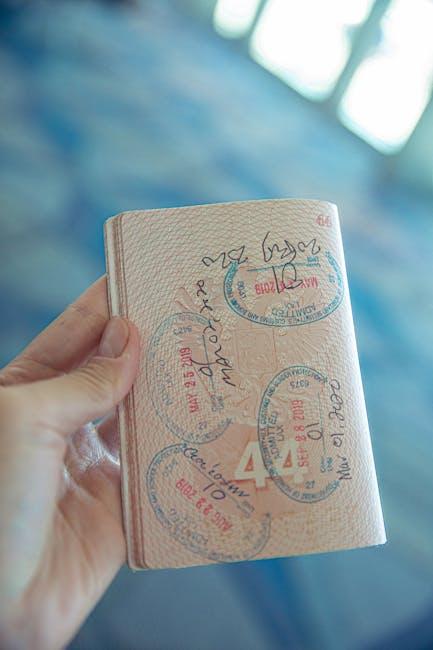
Navigating Legal Pathways and Overcoming Common Challenges
Pursuing family-based immigration often feels like traversing a complex labyrinth of legal requirements and bureaucratic hurdles. Applicants must carefully navigate a myriad of steps, from petition filing to securing visas, each stage demanding strict adherence to regulations. Staying informed about the latest immigration policies and maintaining organized documentation can be the difference between a smooth journey and unexpected roadblocks. Common challenges such as lengthy processing times, changing eligibility criteria, and the need for thorough evidence of family relationships can test even the most prepared applicants.
To effectively overcome these obstacles, prospective immigrants should focus on key strategies that streamline the process:
- Meticulous Documentation: Gather and verify all supporting documents early to prevent delays.
- Legal Guidance: Consult with immigration attorneys to understand nuanced requirements and avoid costly mistakes.
- Patience and Persistence: Be prepared for waiting periods and stay proactive through status updates.
| Common Challenge | Helpful Approach |
|---|---|
| Long Processing Times | Regularly monitor case status and plan accordingly |
| Changing Immigration Policies | Stay updated through official channels or trusted legal counsel |
| Proof of Genuine Relationship | Collect diverse evidence such as photos, correspondences, and affidavits |
The Role of Community Support in Successful Integration
For families navigating the complexities of resettlement, the warmth and encouragement from a supportive community often become the cornerstone of a successful new beginning. These networks provide critical resources such as language assistance, job referrals, and cultural orientation, enabling newcomers to find their footing with greater confidence. Beyond practical help, the social connections formed within these communities create a sense of belonging, easing feelings of isolation and building a shared identity that honors both heritage and new roots.
Key components of effective community support include:
- Culturally sensitive mentorship programs that pair newcomers with experienced residents.
- Accessible communal spaces for social gatherings and cultural celebrations.
- Collaborative platforms offering educational workshops on legal rights and employment opportunities.
- Multilingual communication channels to ensure inclusivity and clarity.
| Support Type | Impact on Integration |
|---|---|
| Employment Assistance | Boosts financial independence |
| Language Classes | Facilitates communication and confidence |
| Social Events | Builds friendships and reduces isolation |
Strategies for Maintaining Cultural Identity Across Generations
Preserving the essence of cultural identity while navigating new environments requires intentional efforts within families. One powerful approach is to embed cultural practices into daily routines, such as preparing traditional dishes together or celebrating ancestral holidays with stories that bring history to life. These rituals become living bridges, linking the past with the present and nurturing a shared sense of belonging. Additionally, encouraging multilingualism at home fosters communication not only within the family but also with older generations, reinforcing respect and understanding across age groups.
To effectively pass on cultural heritage, families can create vibrant, ongoing experiences that engage younger members actively. Consider interactive storytelling nights where elders share folklore, or collaborative art projects that reflect cultural symbols. The table below highlights some accessible strategies that families often adopt:
| Strategy | Impact |
|---|---|
| Cooking Traditional Meals | Builds sensory memories and family bonding |
| Learning Heritage Language | Strengthens communication with elder family members |
| Participating in Community Festivals | Enhances cultural pride and social connection |
| Passing Down Crafts and Art | Preserves traditional skills and creativity |
Practical Tips for Preparing a Strong Family Sponsorship Application
Preparing a compelling family sponsorship application requires meticulous attention to detail and a deep understanding of immigration criteria. Start by ensuring that all required documents are authentic, complete, and up-to-date. This includes official identification, proof of relationship, and financial statements demonstrating the sponsor’s ability to support the incoming family member. Emphasize clarity and organization—group related documents together and include a descriptive cover letter that outlines the purpose of the sponsorship and key highlights of your application.
Gathering strong evidence is crucial, but equally important is avoiding common pitfalls. Here are some practical tips to navigate this process:
- Double-check eligibility criteria to ensure both sponsor and applicant meet all requirements.
- Maintain consistent communication with immigration authorities and respond promptly to any requests for additional information.
- Keep copies of every submitted form and document for your records.
- Leverage professional guidance when unclear about technical legal details.
| Step | Key Action | Tip |
|---|---|---|
| 1 | Document Collection | Verify authenticity and consistency |
| 2 | Application Completion | Fill carefully without errors |
| 3 | Submission | Keep track of deadlines and receipts |
| 4 | Follow-up | Respond quickly to inquiries |
The Way Forward
As the stories of countless families unfold across borders and time zones, the journey of family-based immigration remains a testament to the enduring human spirit—one driven by hope, resilience, and the deep desire to stay connected. It is a path marked by both challenge and triumph, weaving together the threads of diverse cultures, memories, and dreams into new tapestries of belonging. In understanding this journey, we come closer to appreciating not just the policies and procedures, but the lives and love that fuel every step forward—reminding us that at its core, family-based immigration is about more than relocation; it is about the unbreakable bonds that define us all.




