
In an increasingly interconnected world, the concept of citizenship is evolving beyond traditional boundaries. “Bridging Borders: Unlocking the Power of Joint Citizenship” explores the dynamic potential of holding multiple national affiliations, where identity, opportunity, and allegiance intersect. This article delves into how joint citizenship not only reshapes notions of belonging but also unlocks new avenues for cultural exchange, economic collaboration, and global citizenship. As nations embrace this multifaceted identity, the idea of borders shifts from barriers to bridges—inviting us to rethink what it truly means to belong.
The evolving landscape of joint citizenship in a globalized world
In today’s interconnected world, the concept of joint citizenship transcends traditional notions of nationality, becoming a vital tool for fostering cultural exchange and economic collaboration. Dual or multiple citizenships not only offer individuals the invaluable freedom to live, work, and invest across borders but also harmonize diverse legal frameworks that govern rights and responsibilities. As global mobility intensifies, joint citizenship emerges as a strategic advantage—enabling seamless access to education, healthcare, and political participation in more than one country.
Key benefits driving this evolution include:
- Enhanced global business opportunities
- Increased personal and familial security
- Strengthened diplomatic and cultural ties
- Expanded access to social services and social welfare programs
| Aspect | Traditional Citizenship | Joint Citizenship |
|---|---|---|
| Mobility | Limited to one country’s visa policies | Broader travel freedom through multiple passports |
| Political Rights | Exclusive voting rights in one nation | Potential voting rights in multiple countries |
| Economic Access | Single-country investment and employment | Cross-border economic participation |
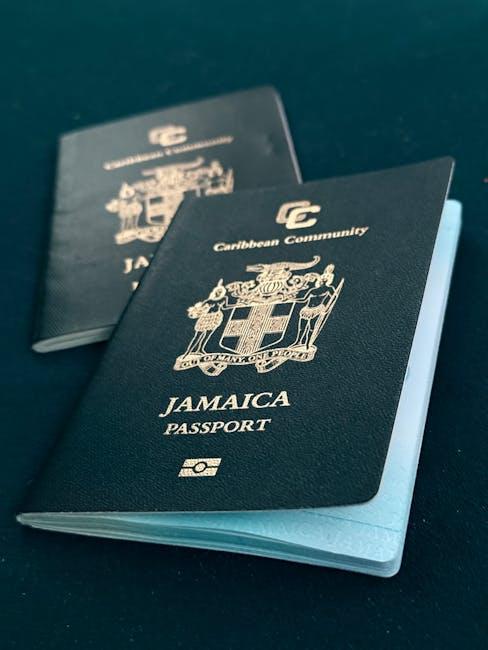
Legal frameworks and policy considerations for dual nationality
Navigating the intricate tapestry of legal systems that regulate joint citizenship calls for a nuanced understanding of the varying national approaches. Some countries embrace dual nationality, recognizing it as a pathway to cultural enrichment and economic opportunity, while others impose restrictions to uphold sovereign interests. This divergence shapes how citizens manage obligations like taxation, military service, and political participation, creating a dynamic legal landscape that requires careful consideration by those seeking to hold multiple passports.
Policy frameworks often reflect deeper societal values, balancing the benefits of global mobility against concerns over loyalty and security. Key considerations include:
- Residency requirements: Duration and conditions for maintaining citizenship rights.
- Renunciation clauses: Whether individuals must give up original nationality to acquire a new one.
- Rights and privileges: Impact on voting, work, education, and social services in multiple countries.
| Country | Dual Citizenship Allowed | Military Service Obligatory |
|---|---|---|
| Canada | Yes | No |
| Japan | No | Yes |
| Germany | Restricted | Yes |
| South Africa | Yes | No |
Economic and social benefits of embracing multiple citizenships
Embracing multiple citizenships transforms the traditional notion of identity and belonging, fostering a vibrant tapestry of economic advantage. Individuals with dual or multiple national ties enjoy seamless access to diverse markets, encouraging the flow of investment, skills, and entrepreneurial energy. This multifaceted status often leads to increased job opportunities and collaborations, as citizens can navigate different regulatory environments and cultural norms with ease. Financial flexibility also comes into play, enabling asset diversification and tax planning strategies that bolster personal wealth and economic resilience.
On the social front, multiple citizenships act as bridges that unite people across continents, cultivating a rich exchange of ideas, values, and traditions. This fosters a unique form of global citizenship, which strengthens social cohesion through inclusivity and cross-cultural understanding. Some notable benefits include:
- Enhanced educational prospects by accessing institutions in multiple countries
- Improved healthcare options leveraging different national systems
- Expanded social networks promoting multicultural integration and empathy
| Benefit | Impact | Example |
|---|---|---|
| Economic Mobility | Access to multiple labor markets | Entrepreneur working in both EU and US |
| Education | Eligibility for scholarships & in-state tuition | Student studying in Canada and Australia |
| Healthcare | Options for treatment and insurance plans | Patient seeking medical care abroad |
Challenges and solutions in managing cross-border identities
Managing identities across multiple national frameworks presents an intricate web of legal, social, and technological challenges. Different countries enforce varying regulations on citizenship documentation, data privacy, and access rights, often leaving cross-border citizens grappling with inconsistent or conflicting identity verifications. Furthermore, the technological fragmentation of identity management systems impedes seamless verification across borders. Without unified standards, individuals must frequently re-affirm their identity, causing delays, increased costs, and frustration. Bridging these gaps demands collaborative international policies and adaptive technologies designed to respect sovereignty while enabling fluid movement and recognition.
Solutions to these challenges coalesce around harmonizing legal frameworks and implementing interoperable digital identity platforms. Innovations such as blockchain-based identity registries provide secure, tamper-proof records accessible by authorized entities worldwide, reducing redundancy and fraud. Governments and institutions can harness cross-border data-sharing agreements supported by privacy-by-design principles to maintain trust while enabling real-time identity validation. Below is a simple comparison of traditional versus innovative approaches illustrating key benefits:
| Aspect | Traditional Approach | Innovative Solution |
|---|---|---|
| Verification Speed | Days to weeks | Instantaneous |
| Security | Centralized databases, vulnerable | Decentralized, encrypted chain |
| User Control | Limited | Empowered with selective sharing |
| Cost | High operational overhead | Efficient, scalable |
Strategies for governments and individuals to maximize dual citizenship advantages
Governments can foster a more integrated and prosperous society by streamlining dual citizenship policies that encourage cross-border collaboration. Facilitating easier access to consular services and creating bilateral agreements to recognize educational and professional qualifications empower citizens to truly embrace their blended identities. Additionally, investing in multilingual public communication and digital platforms helps create a seamless experience for dual nationals navigating complex legal landscapes.
On an individual level, leveraging dual citizenship involves strategic planning and cultural engagement. Dual citizens should prioritize:
- Maximizing educational and employment opportunities available in both countries
- Cultivating networks that bridge communities and industries across borders
- Understanding and complying with tax laws and social responsibilities in each jurisdiction
- Embracing cultural fluency to enhance global adaptability and personal growth
| Government Strategy | Individual Action |
|---|---|
| Develop reciprocal recognition frameworks | Attend language and cultural immersion programs |
| Provide digital, multilingual consular services | Consult international tax and legal experts |
| Support joint entrepreneurship initiatives | Engage in cross-border business and educational ventures |
The Way Forward
In a world that grows ever more connected yet complex, joint citizenship offers a unique bridge—linking identities, opportunities, and cultures across borders. It is more than a legal status; it is a gateway to new perspectives and possibilities. As we continue to navigate the challenges and embrace the benefits of this dual belonging, joint citizenship stands as a testament to the evolving nature of identity in the 21st century—a powerful tool for fostering understanding, cooperation, and shared futures beyond the lines on a map.




