
In an era marked by unprecedented movement and shifting geopolitical landscapes, the journey across borders is more complex than ever before. Navigating these intricate pathways requires not only an understanding of laws and policies but also a keen awareness of the human stories intertwined within them. In this article, we delve into the minds of today’s immigration experts—those who decode regulations, advocate for rights, and illuminate the challenges and opportunities at the heart of global migration. Their insights offer a vital compass for anyone seeking to understand the evolving dynamics of crossing borders in the modern world.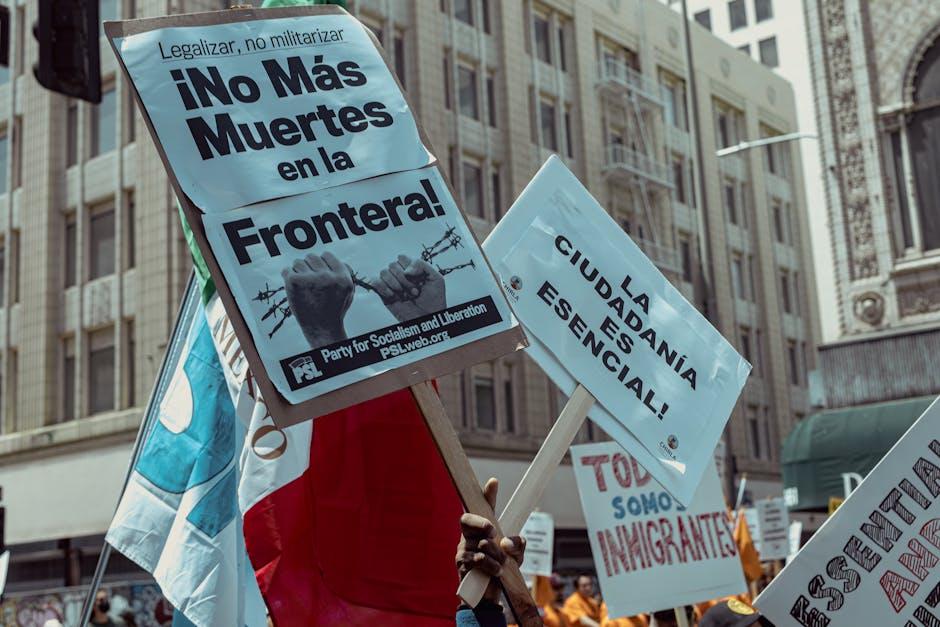
Understanding Modern Immigration Policies and Their Impact
Modern immigration policies weave through complex layers of security, economic demands, and humanitarian considerations. Governments worldwide are shifting from rigid frameworks to more adaptive models that respond to global crises and labor market needs. Key elements shaping these policies include:
- Enhanced border technologies emphasizing biometrics and data sharing
- Visa programs tailored to skill shortages across industries
- Stricter asylum protocols balanced by refugee resettlement initiatives
- Integration measures focusing on language and employment assistance
Evaluating the impact of these evolving regulations reveals a nuanced picture. While stricter enforcement has curtailed unauthorized crossings, it has also sparked debates on human rights and economic inclusivity. The following table summarizes the general outcomes observed over the past decade:
| Policy Aspect | Positive Impact | Challenges |
|---|---|---|
| Border Security | Reduced illegal entries | Increased detention concerns |
| Labor Mobility | Fills skill gaps | Potential wage suppression |
| Asylum Procedures | Streamlined processing | Backlog and limited acceptance rates |
| Cultural Integration | Community engagement programs | Linguistic and social barriers |
Strategies for Seamless Cross-Border Relocation
Relocating internationally requires more than just packing your bags—it demands a strategic approach to mitigate unexpected challenges. Begin by researching visa and residency requirements well in advance, ensuring all documentation is in order before departure. Partnering with immigration experts can provide invaluable insights into the nuances of each country’s policies, streamlining the application process. Additionally, embracing cultural sensitivity early on—not just understanding local customs but actively engaging with community networks—can transform the relocation from a transactional move into a true integration experience.
Logistics also play a crucial role in minimizing relocation stress. Establish a timeline that aligns with key deadlines such as lease agreements, school enrollments, and health insurance registration. Consider the following essentials to keep your move on track:
- Secure international health insurance to prevent gaps in coverage.
- Inventory belongings for customs compliance and potential taxation.
- Schedule pre-move consultations with local relocation specialists.
- Plan currency exchange and banking setups ahead of arrival.
| Step | Action | Ideal Timing |
|---|---|---|
| 1 | Visa Application | 3-6 months before move |
| 2 | Health Insurance Setup | 2 months before move |
| 3 | Housing & School Search | 1-2 months before move |
| 4 | Finalize Logistics | 2 weeks before move |
Legal Challenges and How to Overcome Them
Legal hurdles in immigration are often complex, but understanding the common pitfalls can empower you to navigate the process more effectively. Many immigrants face issues such as visa denials, status expiration, or document discrepancies. To overcome these, experts emphasize the importance of thorough preparation—this includes double-checking application details, meeting deadlines, and seeking professional legal advice early on. Proactively addressing potential red flags can significantly reduce the risk of delays or rejections.
Below is a simple checklist to help you stay on track during your immigration journey:
- Verify all personal information matches official documents
- Maintain copies of every submission and correspondence
- Stay informed on changing immigration laws and deadlines
- Consult an immigration attorney when in doubt
| Common Challenge | Expert Tip |
|---|---|
| Application Errors | Proofread thoroughly or use a specialist review service |
| Interview Anxiety | Practice mock interviews with advisors |
| Missing Deadlines | Set multiple reminders and keep a calendar |
| Unclear Documentation | Request clarification or certified translations |
Cultural Integration Tips from Experienced Immigrants
Embracing a new culture is not just about adapting to customs—it’s about weaving your own identity into the rich tapestry of your new home. Experienced immigrants often emphasize the power of active listening and observation as tools to unlock cultural nuances. Simple actions like attending community events or trying local cuisines open doors to genuine connections, breaking down barriers one conversation at a time. Cultivating curiosity instead of judgment allows for smoother transitions and deeper appreciation of differences.
Another key element lies in balancing respect for traditions with authenticity. Here are some practical pointers shared by seasoned immigrants:
- Learn the language gradually but consistently—communication is the bridge to all relationships.
- Seek out multicultural groups where you can share your heritage while discovering others’.
- Set realistic expectations; integration is a journey, not a sprint.
- Find mentors who can guide you through social and professional customs.
| Challenge | Strategy | Outcome |
|---|---|---|
| Language Barrier | Join language cafes & conversation groups | Boosted confidence and easier daily interactions |
| Feeling Isolated | Participate in community festivals and clubs | New friendships and cultural exchange |
| Workplace Adjustment | Seek mentors & understand office norms | Improved performance and acceptance |
Future Trends Shaping Global Migration Patterns
As technology relentlessly advances and geopolitical landscapes shift, migration patterns are evolving in unexpected ways. Climate change is transforming once-inhospitable regions into new migration hubs, pushing populations towards areas with better environmental conditions. Simultaneously, the digital revolution is creating virtual corridors where remote work opportunities blur the lines of traditional migration. This decentralization of workforces enables individuals to maintain residency in one country while contributing economically to another, challenging conventional immigration frameworks. Experts emphasize the role of emerging smart border technologies that balance security with facilitation, employing AI-driven risk assessment and biometric verification to streamline cross-border movement.
Economic factors will continue to influence migration, but nuanced shifts will become more apparent. Future migrants often prioritize quality of life metrics such as healthcare accessibility, education standards, and social inclusion policies over simple wage differentials. To better illustrate evolving motivations, consider the following snapshot:
| Primary Driver | Current Dominance | Anticipated Shift |
|---|---|---|
| Economic Opportunity | High | Moderate |
| Climate Resilience | Low | High |
| Digital Connectivity | Emerging | Significant |
| Social Inclusion | Moderate | High |
- Multidimensional drivers: Migration decisions will increasingly reflect a complex interplay of ecological, technological, and social factors.
- Policy evolution: Governments will pivot towards adaptive immigration policies that anticipate, rather than react to, these trends.
- Global collaboration: Cross-border cooperation will become essential for managing migration flows in a way that benefits both origin and destination countries.
Wrapping Up
As the global landscape continues to evolve, the insights shared by today’s immigration experts serve as both a compass and a reminder: navigating borders is as much about understanding human stories as it is about policies and procedures. Embracing this complexity allows us to approach immigration with greater empathy and clarity, forging pathways that respect both security and the enduring quest for opportunity. In the end, borders may define geography, but it is our shared humanity that truly connects us all.




