
In an era defined by global movement and interconnected lives, the concept of citizenship has evolved beyond the simple notion of belonging to one nation. Dual citizenship, once a rarity, now weaves a complex tapestry of identities, loyalties, and legal entanglements. It offers a unique blend of opportunities and challenges, where individuals navigate the delicate balance of multiple borders—geographical, political, and cultural. This intricate reality invites us to explore what it truly means to belong, as dual citizens straddle worlds that both embrace and complicate their sense of self. In this article, we delve into the multifaceted experience of holding two passports, uncovering the benefits, dilemmas, and the uncharted terrain of dual nationality in today’s globalized society.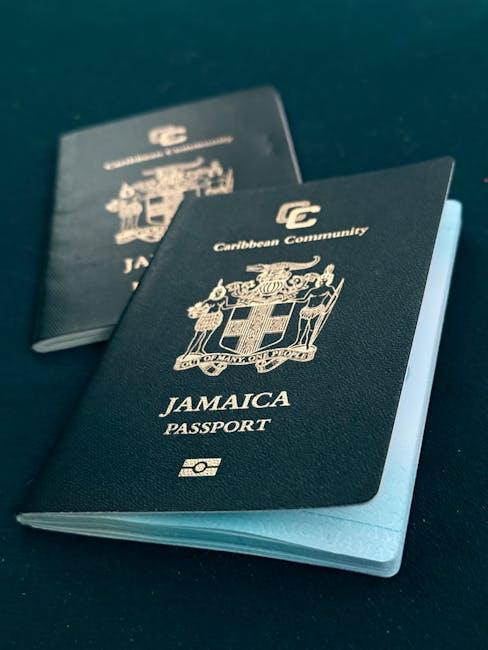
The Legal Labyrinth of Dual Citizenship
Embarking on the journey of holding citizenship in two nations often feels like navigating an intricate maze governed by contrasting legal frameworks. Each country designs its nationality laws with unique definitions of allegiance, rights, and obligations, sometimes creating overlapping demands or outright contradictions. Challenges arise when individuals must reconcile differing tax codes, military service mandates, or travel restrictions that may conflict across borders. This complex interplay requires not just understanding local legislation but often seeking specialized legal counsel to avoid unintended pitfalls. Awareness and proactive management become imperative to maintain the promise of dual citizenship without legal entanglement.
To better grasp these complexities, consider how various rights and responsibilities may diverge or intersect:
- Taxation: Dual citizens might face tax obligations in both countries, triggering double taxation or requiring careful financial planning.
- Military Service: Some nations impose compulsory service, which can clash if both countries require participation simultaneously.
- Political Participation: Voting rights or eligibility for public office can differ, sometimes restricting civic engagement in one country.
| Aspect | Country A | Country B |
|---|---|---|
| Military Duty | Mandatory | Voluntary |
| Taxation | Worldwide Income Taxed | Residence-Based Taxation |
| Political Rights | Can Vote | Restricted Voting |

Navigating Cultural Identity Across Nations
Embarking on a journey between two or more homelands often means weaving a tapestry rich with contrasting traditions, languages, and histories. This duality invites a unique perspective where individuals continuously reconcile cultural nuances, creating a personal identity that flows beyond physical borders. The challenge is in harmonizing these elements without losing the essence of either, a process that fosters resilience and adaptability. For many, dual citizenship is more than legal status; it is a lifelong dance of belonging and negotiation between different societal expectations and cultural norms.
Navigating this layered identity brings several realities into focus:
- Emotional Complexity: Feelings of divided loyalty or the struggle to feel fully accepted by either nation.
- Cultural Fluency: Mastery of social cues, traditions, and communication styles across diverse communities.
- Legal and Social Responsibilities: Managing citizenship obligations while embracing cultural advantages.
| Aspect | Challenge | Opportunity |
|---|---|---|
| Language | Switching contexts can cause confusion | Enables bilingual or multilingual abilities |
| Identity | Sense of not fully belonging anywhere | Rich cultural perspective and empathy |
| Community | Navigating divergent traditions | Building diverse social networks |
Economic Opportunities and Challenges in Dual Status
Holding dual citizenship unlocks a realm of economic possibilities that can be as expansive as the borders it crosses. Citizens with dual status often find themselves with privileged access to job markets and investment opportunities in multiple countries. This multidimensional access may include eligibility for benefits such as tax incentives, social security, and entrepreneurial grants, which can significantly boost one’s economic standing. Moreover, having the ability to tap into different consumer markets allows dual citizens to diversify their financial portfolios, often mitigating risks tied to the economic downturns of any single nation.
However, the landscape is not without its complexities. Economic challenges arise when dual citizens navigate conflicting fiscal policies and compliance obligations. For instance, simultaneous tax filing requirements and income reporting can lead to legal entanglements or unexpected liabilities. The table below highlights common economic hurdles alongside potential strategies to overcome them:
| Challenge | Impact | Strategy |
|---|---|---|
| Double Taxation | Higher tax burden | Utilize tax treaties and expert counsel |
| Investment Restrictions | Limited financial vehicles | Research bilateral agreements |
| Social Benefit Conflicts | Access limitations | Coordinate benefits with both governments |
| Regulatory Compliance | Increased paperwork and audits | Maintain detailed financial records |
Managing Rights and Responsibilities Abroad
Holding dual citizenship often means embracing a unique tapestry of rights and responsibilities that span across borders. This intricate balance requires one to not only understand but also navigate diverse legal landscapes, cultural expectations, and civic duties. From voting rights in multiple countries to tax obligations, dual citizens must stay informed about the nuances to avoid conflicts, such as double taxation or legal discrepancies. It’s essential to maintain clear documentation and regularly consult authoritative sources in both nations to ensure compliance and maximize the benefits this status offers.
Practical management of these rights and duties benefits greatly from deliberate organization. For instance, consider keeping a checklist that outlines important tasks associated with each citizenship, such as:
- Renewing passports and IDs on time
- Understanding tax filing deadlines in both countries
- Tracking eligibility for social services and benefits
- Staying aware of voting regulations and requirements
Below is a simple comparative table that highlights some key elements a dual citizen might monitor in two different countries:
| Responsibility | Country A | Country B |
|---|---|---|
| Passport Renewal | Every 10 years | Every 5 years |
| Tax Filing Deadline | April 15 | October 30 |
| Voting Method | In-person or mail | Online only |
| Military Service | Voluntary | Compulsory (18-25 yrs) |
Practical Tips for Harmonizing Dual National Allegiances
Navigating the emotional and legal labyrinth of holding two passports often demands more than just paperwork; it requires a mindful approach to identity and responsibility. Start by establishing clear priorities—whether it’s voting in local elections, paying taxes, or fulfilling civic duties—recognizing which allegiance takes precedence in different scenarios. Remember, cultural immersion goes a long way: engage deeply with both communities through language practice, festivals, or even culinary traditions. These small acts forge a personal bridge that strengthens your dual bonds beyond mere legality. Maintaining organized documents is critical too, ensuring travel plans or official procedures run smoothly without last-minute stress.
Strategies for keeping your dual citizenship harmonious often include a blend of foresight and flexibility. Consider these practical approaches:
- Keep abreast of policy changes in both nations to avoid unexpected complications.
- Develop a balanced network of contacts—social and professional—in each country to cultivate support systems.
- Plan financial matters with an eye on currency exchange, tax treaties, and investment opportunities.
- Use technology tools like calendar reminders and dual currency apps to manage responsibilities efficiently.
| Aspect | Action | Benefit |
|---|---|---|
| Voting Rights | Proactively register in both countries | Influence policies impacting your communities |
| Tax Obligations | Consult dual citizenship tax experts | Avoid legal pitfalls and optimize returns |
| Cultural Integration | Participate in local traditions annually | Deepen emotional connections |
| Travel Planning | Keep travel documents updated and accessible | Smooth border crossings and reduced delays |
Final Thoughts
In the intricate dance of identity and allegiance, dual citizenship emerges as both a bridge and a boundary—offering pathways to opportunity while demanding thoughtful navigation of competing loyalties. As the world grows ever more interconnected, the reality of holding multiple passports is less a simple privilege and more a complex balancing act, inviting us to reconsider what it means to belong. Ultimately, the story of dual citizenship is not just about borders on a map, but the borders within ourselves, challenging us to embrace multiplicity in an increasingly divided world.




