
In an increasingly interconnected world, the concept of identity stretches beyond borders, weaving together cultures, histories, and legal landscapes. Dual national citizenship stands at the crossroads of these complexities, offering both unique opportunities and intricate challenges. As more individuals embrace the reality of belonging to two nations simultaneously, understanding the rights, responsibilities, and practical implications becomes essential. This article embarks on a thoughtful exploration of what it truly means to navigate dual citizenship—unpacking the promises it holds and the realities it demands.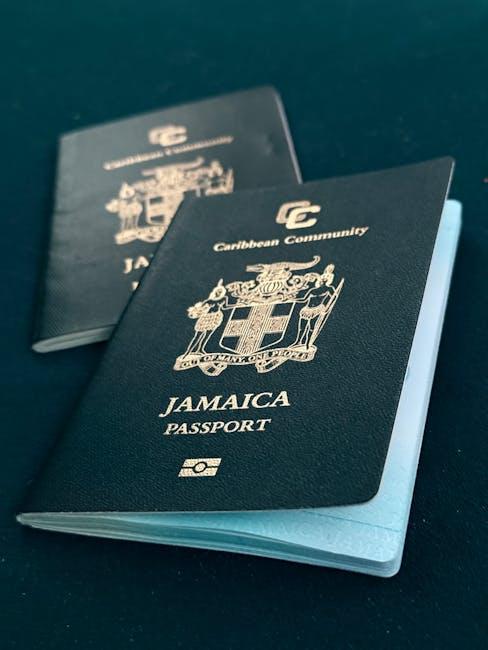
Understanding the Legal Landscape of Dual National Citizenship
Dual national citizenship opens a complex web of rights and responsibilities that vary significantly from country to country. Unlike single citizenship, this status requires individuals to navigate multiple legal systems, which can affect everything from taxation to military service obligations. Some countries embrace dual citizenship fully, offering protections and privileges without discrimination, while others impose restrictions or demand exclusive allegiance. Understanding these nuances is essential for anyone considering or currently holding dual citizenship.
To shed light on this often-confusing terrain, here’s a quick overview of common legal elements associated with holding dual citizenship:
- Taxation: Obligations in both countries, sometimes leading to double taxation unless treaties apply.
- Military Service: Potential dual conscription risks or exemptions.
- Voting Rights: Eligibility and limitations may differ between nations.
- Travel and Immigration: Use of different passports and visa considerations.
| Aspect | Country A | Country B |
|---|---|---|
| Dual Citizenship Allowed | Yes | No |
| Tax Reporting | Mandatory | Conditional |
| Military Duty | Required | Exempted |
| Voting Rights | Full | Limited |

Balancing Responsibilities and Privileges Across Borders
Holding citizenship in two countries is more than just a matter of identity; it entails a nuanced balance between duties and benefits that vary across borders. Dual citizens often find themselves navigating complex legal landscapes that dictate where taxes are owed, whether mandatory military service applies, and the extent of voting rights available. These responsibilities, while sometimes burdensome, come paired with distinct privileges such as access to social services, education, and healthcare in both nations. The challenge lies in understanding and honoring these intertwined obligations without compromising on the rights granted by each country.
Managing this balance effectively requires a strategic approach. Individuals might encounter conflicting rules or overlapping expectations that necessitate careful planning and legal insight. To illustrate, consider the following key aspects generally involved in balancing these duties and benefits:
- Taxation: Understanding when and how to declare income in each country.
- Civic Participation: Navigating voting rights and eligibility in elections.
- Service Obligations: Awareness of compulsory military or civil services.
- Legal Compliance: Staying compliant with immigration and residency requirements.
| Responsibility | Typical Example | Privilege |
|---|---|---|
| Taxation | Filing annual returns in both countries | Access to social welfare programs |
| Voting Rights | Participating in national elections | Influencing policy and governance |
| Military Service | Registering for selective service | Enhanced national security and protection |
Addressing Common Challenges in Dual Citizenship Status
Maintaining dual citizenship can be a rewarding experience, yet it comes with its share of obstacles. One of the most frequent issues is legal ambiguity—where conflicting laws between countries complicate rights such as taxation, voting, and military service. This often requires individuals to become well-versed in the jurisdictions involved, or seek expert counsel to avoid pitfalls like double taxation or unintended legal obligations. Additionally, identity challenges appear when citizens navigate cultural expectations from both nations, creating an ongoing balancing act between belonging and legal responsibility.
Practical concerns often arise regarding documentation and travel. Dual citizens must stay vigilant about passport validity, visas, and the particular regulations of each country to ensure seamless mobility. The table below summarizes some common challenges alongside potential strategies to mitigate them:
| Challenge | Potential Solution |
|---|---|
| Double Taxation | Utilize tax treaties and professional advice |
| Military Service Requirements | Explore deferment options or alternate service programs |
| Travel Document Conflicts | Maintain and monitor multiple passports regularly |
| Cultural Identity Struggles | Engage in community groups or cultural associations |
Addressing these hurdles proactively not only secures legal standing but enriches the dual citizenship journey, transforming challenges into opportunities for greater global integration and personal growth.
Strategic Tips for Maintaining Compliance and Maximizing Benefits
Maintaining compliance while navigating the complexities of dual citizenship requires a proactive and informed approach. Stay updated on both countries’ laws regarding taxes, military service, and voting rights to avoid unexpected legal challenges. Consider establishing a clear record-keeping system that includes passports, visas, tax documents, and correspondence related to citizenship status. Regular communication with consular services can also help you stay ahead of policy changes and streamline travel or residency requirements. This approach not only minimizes risks but also opens doors to a wealth of benefits unique to dual nationals.
Maximizing your benefits involves strategic planning tailored to your lifestyle and goals. Leverage your dual nationality by exploring educational, healthcare, and business opportunities that might be limited to citizens. Here’s a simple overview of key benefit areas to monitor:
| Benefit Area | Potential Advantages | Compliance Tips |
|---|---|---|
| Taxation | Double tax treaties, deductions | File in both jurisdictions, consult experts |
| Travel | Visa-free access, consular support | Use the appropriate passport for entry |
| Property Ownership | Access to real estate markets | Understand local ownership laws |
- Consult legal and financial professionals who specialize in dual citizenship to tailor your plan.
- Stay flexible as policies can shift and impact your rights and obligations unexpectedly.
- Engage with community groups or networks for shared experiences and practical advice.
Future Trends and Policy Changes Shaping Dual National Rights
As globalization deepens, the landscape of dual national citizenship is evolving in ways that challenge traditional legal frameworks. Governments worldwide are increasingly recognizing the complexity of modern identities, leading to an upsurge in flexible policies that accommodate multiple allegiances without sacrificing national integrity. Innovations like digital identity verification and cross-border electoral participation are becoming more prevalent, signaling a shift toward more inclusive rights for dual nationals. However, this progress comes with the need for harmonized international agreements to avoid conflicts over obligations like taxation, military service, and political representation.
Policy shifts are also emphasizing the protection of dual nationals’ rights amidst rising geopolitical tensions. Legislative trends show a move toward clearer guidelines on dual citizenship eligibility and safeguards against discrimination in employment, travel, and civil rights. The following table summarizes some of the emerging policy priorities seen across key regions:
| Region | Emerging Policy Focus | Key Challenges |
|---|---|---|
| Europe | EU-wide recognition & rights harmonization | Balancing sovereignty & shared regulations |
| Asia-Pacific | Economic migration & dual citizenship integration | Social inclusion & citizenship transparency |
| Americas | Rights protection amidst political instability | Consular access & political participation |
Concluding Remarks
As the world grows ever more interconnected, the landscape of dual national citizenship continues to evolve—winding between opportunities and obligations, freedoms and complexities. Navigating this unique legal and cultural terrain requires not only understanding the rights afforded but also a clear-eyed awareness of the realities faced by dual citizens. Whether embraced as a bridge between identities or approached with cautious pragmatism, dual nationality ultimately invites us to reconsider what it means to belong, allegiance, and home in an increasingly globalized age. In this delicate balance, knowledge remains the compass guiding individuals safely through the multifaceted journey of holding two passports—and living two stories.




