
In an increasingly interconnected world, the concept of belonging to two nations simultaneously is no longer a mere curiosity but a complex reality for millions. Navigating dual citizenship weaves together threads of opportunity and obligation, identity and legality, freedom and responsibility. This journey offers a unique vantage point from which to explore the rights that empower, the risks that caution, and the rewards that inspire those who hold allegiance to more than one homeland. As the global landscape evolves, understanding the nuances of dual citizenship becomes essential—unlocking doors to new horizons while carefully balancing the delicate scales of two worlds.
Understanding Legal Frameworks Across Borders
When navigating the complexities of holding citizenship in more than one country, it’s crucial to grasp how different legal systems interact and sometimes conflict. Each nation maintains its own set of laws governing nationality, tax obligations, military service, and voting rights. For instance, dual citizens may benefit from extended travel freedoms but also face overlapping legal responsibilities that demand careful consideration. Understanding whether countries recognize dual citizenship, and under what conditions, can prevent unexpected legal entanglements.
Key to this understanding is recognizing the nuances in citizenship rights and duties across jurisdictions:
- Taxation rules: Some countries tax global income, while others only tax local earnings.
- Military obligations: Compulsory service might be enforced in one country but not the other.
- Legal protections: Access to consular assistance can vary depending on which nationality is exercised abroad.
| Country | Dual Citizenship Allowed | Taxation | Military Service |
|---|---|---|---|
| Country A | Yes | Worldwide income | Optional |
| Country B | No | Local income only | Mandatory |
| Country C | Yes | Worldwide income | None |
Balancing Responsibilities and Privileges in Dual Citizenship
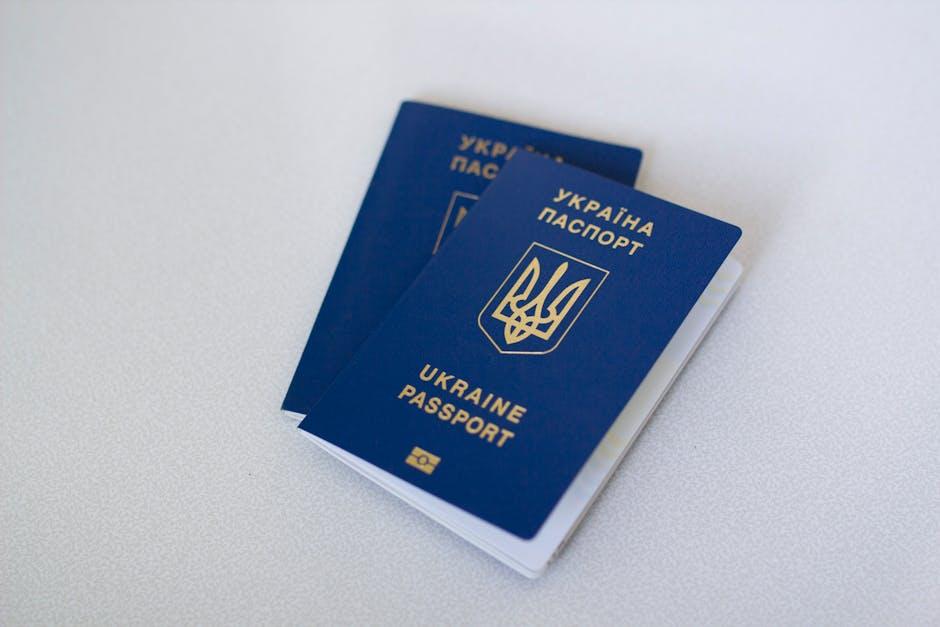
Managing dual citizenship demands a careful weighing of both responsibilities and privileges. While enjoying freedoms such as increased travel opportunities, voting rights in two nations, and access to social services, dual citizens must remain vigilant about fulfilling legal obligations in both countries. These obligations might include tax filings, mandatory military service, or adherence to specific residency requirements. Striking a balance means not only celebrating the perks but also understanding that privileges are often paired with duties that vary drastically from one country to another.
Practical strategies can help in harmonizing these dual roles without lapsing into conflict or legal trouble. For instance, maintaining an organized schedule for important dates—like renewing passports or submitting tax documents—can alleviate stress. Below is a simplified overview of the key responsibilities versus privileges in many dual citizenship scenarios:
| Aspect | Responsibilities | Privileges |
|---|---|---|
| Legal | Taxation, Military Service | Right to work, Access to justice |
| Social | Community Engagement, Respect for Laws | Social benefits, Education |
| Practical | Documentation, Compliance Dates | Visa-free Travel, Multiple Residencies |
- Stay informed: Keep updated on changes in laws for both countries.
- Seek expert advice: Engage legal or tax professionals as needed.
- Embrace cultural bridges: Use your dual identity to foster understanding and opportunities.
Mitigating Potential Risks Through Informed Decisions
Understanding the complexities of dual citizenship empowers individuals to make strategic choices that safeguard their personal and financial interests. Careful evaluation of legal obligations, such as tax liabilities and military service, can prevent unexpected repercussions. By consulting with immigration experts and leveraging government resources, one can uncover hidden nuances in bilateral agreements, thus avoiding pitfalls that might otherwise jeopardize residency status or lead to penalties.
Prudent decision-making also involves a thorough assessment of each country’s political climate, economic stability, and social framework. This holistic approach allows potential dual citizens to weigh the advantages of expanded global mobility against potential constraints like travel restrictions or loss of certain benefits. Consider the following checklist when planning your dual nationality journey:
- Review tax treaties to understand cross-border financial responsibilities
- Check military service requirements in both countries
- Examine local laws impacting property ownership and business operations
- Assess political risks that might affect your citizenship rights
- Maintain updated documentation and monitor legal changes impacting dual nationals
| Risk Factor | Mitigation Strategy |
|---|---|
| Taxation Conflicts | Engage an international tax advisor |
| Loss of Benefits | Confirm eligibility criteria before naturalization |
| Travel Restrictions | Keep passports current and understand visa requirements |
| Political Instability | Stay informed and establish contingency plans |
Leveraging Dual Citizenship for Economic and Social Benefits
Dual citizenship unlocks a spectrum of economic advantages that can significantly enhance an individual’s financial landscape. From access to diverse job markets and investment opportunities to the ability to own property in multiple countries, the benefits are tangible and far-reaching. Business owners can tap into cross-border trade with fewer legal hurdles, while professionals often enjoy expanded career mobility and social security benefits from more than one nation. Additionally, the freedom to optimize tax liabilities legally by understanding bilateral agreements and residency requirements can lead to substantial savings and wealth growth.
Beyond economics, dual citizenship fosters richer social and cultural experiences, allowing individuals to embrace a blended identity that promotes global awareness and inclusivity. It facilitates seamless travel and access to education systems with fewer restrictions, enriching personal development and family opportunities. Important social benefits include:
- Enhanced healthcare rights in both countries, offering broader medical support
- Political participation, such as voting rights or even public office eligibility
- Community integration through easier access to public services and social programs
- Preservation of heritage by officially connecting with ancestral roots while enjoying modern citizenship perks
| Benefit Category | Economic | Social |
|---|---|---|
| Job Market Access | Multiple labor laws and employment benefits | Improved work-life balance options |
| Property Ownership | Legal rights to buy in both countries | Security for family investment |
| Healthcare | Double coverage options | Access to public health programs |
| Education | Tuition advantages and more scholarships | Cultural and language immersion |
Practical Steps to Maintain Compliance and Secure Your Status
Maintaining compliance when holding dual citizenship requires a proactive approach and thorough understanding of each country’s legal obligations. Begin by keeping detailed records of all pertinent documents, including passports, naturalization certificates, and residency permits. Regularly review tax responsibilities, as failure to file returns in either country can lead to penalties or loss of status. Engaging with a knowledgeable immigration attorney or tax advisor can streamline this process and help navigate complex bilateral treaties and agreements.
To stay secure in your status, consider implementing a checklist that highlights critical tasks such as renewing travel documents on time and reporting any changes in residency or employment to the respective governments. Below is a simple compliance checklist to help you stay on track:
| Task | Recommended Frequency | Purpose |
|---|---|---|
| Passport Renewal | Every 5–10 years | Maintain valid international travel documents |
| Tax Filing | Annually | Avoid legal penalties and ensure compliance |
| Residency Status Update | When applicable | Notify authorities of changes to avoid status conflicts |
- Stay informed: Regularly check official government websites for policy changes.
- Be transparent: Declare all relevant information honestly on applications and forms.
- Plan proactively: Schedule reminders well in advance of key deadlines.
Key Takeaways
Navigating the complex waters of dual citizenship demands a thoughtful balance between opportunity and obligation. While the doors it opens can lead to enriched cultural experiences, expanded legal rights, and broadened horizons, the path is also lined with intricate responsibilities and potential pitfalls. Understanding your rights, acknowledging the risks, and embracing the rewards will empower you to make informed decisions on this unique journey. Ultimately, dual citizenship is more than a legal status—it’s a dynamic bridge connecting identities, nations, and futures. Choose your course wisely, and let your dual passport be not just a document, but a gateway to possibilities.




