
In a world where borders blur and identities intertwine, the lives of American dual citizens paint a vivid portrait of complexity and contrast. Straddling two cultures, languages, and legal systems, these individuals navigate a unique intersection of belonging and allegiance. Their stories challenge simple definitions of nationality, revealing layered identities shaped by heritage, opportunity, and choice. This exploration delves into the nuanced experiences of American dual citizens, uncovering the intricate balance they maintain between two homelands and the profound questions their existence raises about identity in an increasingly interconnected world.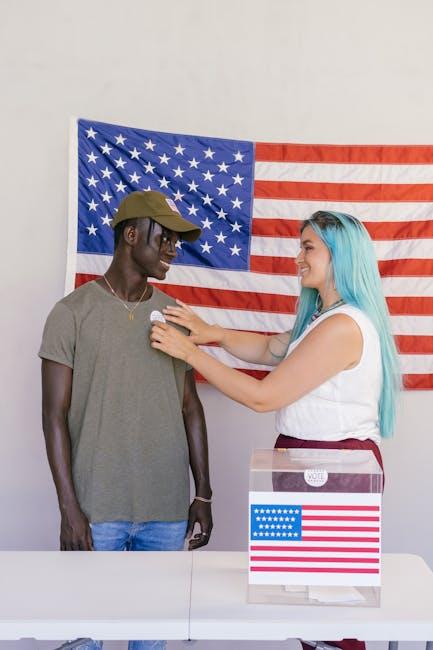
The Intersection of Cultures Shaping Dual Identities
Navigating between two cultures offers a unique canvas where traditions, values, and customs blend to form a rich, multifaceted identity. For many dual citizens, this intersection fosters a profound sense of belonging to multiple worlds simultaneously. The experience often leads to a continual balancing act, where individuals celebrate diverse holidays, communicate in varied languages, and reconcile differing societal expectations. This dynamic interplay not only broadens perspectives but also builds resilience as they learn to adapt seamlessly across cultural boundaries.
At the heart of this fusion lie common threads that unite dual citizens, despite their contrasting backgrounds:
- Adaptive communication: Fluidly switching cultural cues and language nuances
- Hybrid traditions: Creating new rituals infused with elements from both cultures
- Expansive worldviews: Embracing diverse values and philosophies
- Identity fluidity: Comfort with evolving self-perceptions based on context
| Aspect | Benefit | Challenge |
|---|---|---|
| Language | Enhanced communication skills | Occasional misinterpretations |
| Customs | Rich cultural experiences | Pressure to conform |
| Belonging | Broadened social networks | Feelings of cultural displacement |

Navigating Legal and Civic Responsibilities Abroad and at Home
For dual citizens, understanding the interplay between the legal systems of two countries can be a daunting task. Each jurisdiction imposes its own set of obligations, and navigating these requires both awareness and adaptability. Dual citizens must often balance responsibilities such as tax filings, mandatory military service, and compliance with local laws. Failure to grasp the nuances can lead to unintended legal conflicts or penalties. Knowledge and vigilance become vital tools in managing these dual frameworks effectively.
To better visualize, consider the responsibilities in both nations through this simple overview:
| Responsibility | Country A | Country B |
|---|---|---|
| Tax Filing | Annual Income Declaration | Worldwide Income Reporting |
| Military Service | Optional Civil Service | Mandatory for Males 18-25 |
| Voting Rights | Online and In-Person | Only In-Person |
| Legal Obligations | Common Law | Civil Law |
- Stay informed: Keeping up-to-date on changes can alleviate misunderstandings.
- Consult professionals: Legal and tax advisors familiar with both countries provide invaluable guidance.
- Document everything: Proper record-keeping supports compliance and proves good faith.
Emotional Ties and the Sense of Belonging in Two Nations
Navigating the emotional landscape of holding dual citizenship often means balancing deeply rooted connections to two distinct cultures, families, and histories. Many dual citizens describe a profound duality of belonging, where the heart is simultaneously anchored in two different lands. This unique position fosters a rich internal dialogue of identity, where memories, traditions, and values intermingle to create a tapestry more complex than a single nationality can convey.
The sense of home for dual citizens is often not confined to a single geographic location but is instead tied to intangible feelings of acceptance and community. These emotional ties may manifest in varied ways, including:
- Celebrating holidays from both nations, embracing diverse customs.
- Maintaining bilingual communication as a bridge between cultures.
- Nurturing relationships that span continents, blending different worldviews.
Such experiences reveal how belonging transcends borders, showing that identity is sculpted by both personal history and collective cultural memory.
Challenges and Opportunities in Career and Social Integration
Dual citizenship in the United States often places individuals at a unique crossroads, where blending two distinct cultural identities can be as enriching as it is complex. Professionally, these individuals navigate a landscape rife with both promising opportunities and subtle barriers. Employers may value the adaptability and global perspective that dual citizens bring, yet there can be misunderstandings or biases regarding their loyalties or availability, particularly in sensitive sectors like government or defense. This duality often demands a higher level of cultural intelligence and resilience, allowing these professionals to bridge diverse networks and foster inclusive environments.
Socially, dual citizens experience a rich tapestry of community connections, but also face challenges in fully integrating. Their multifaceted backgrounds can cultivate a profound empathy and broader worldview, which often fuels a passion for multicultural dialogue and innovation. However, the feeling of being perpetually “in-between” can sometimes lead to a sense of isolation or exclusion from both cultural spheres. Successfully navigating these social intricacies often hinges on:
- Active engagement in multicultural communities
- Seeking allies who appreciate complex identities
- Balancing traditions without compromising personal authenticity
| Challenge | Opportunity |
|---|---|
| Identity ambiguity in professional settings | Access to multicultural networks and global career paths |
| Social exclusion or stereotyping | Potential to become cultural ambassadors and advocates |
| Legal and bureaucratic complexities | Entitlement to rights and services from two nations |
Strategies for Embracing Dual Citizenship with Confidence and Clarity
Embracing dual citizenship means navigating a world where two cultural identities coexist, often challenging traditional notions of national allegiance. Confidence stems from understanding that holding dual citizenship is not a conflict of loyalty, but a celebration of diverse heritage. It’s essential to cultivate a mindset that values the unique perspectives and opportunities both countries provide. Practically, this means staying informed about each nation’s legal requirements, rights, and responsibilities. Regularly updating travel documents and maintaining clear communication with consulates can prevent bureaucratic hurdles and anxieties.
Clarity comes from a strategic approach to managing the intricacies of dual citizenship. Consider these vital strategies for balancing personal and legal facets:
- Stay informed about tax obligations in both countries to avoid surprises.
- Understand voting rights and exercise them to remain politically engaged.
- Build a support network within dual citizenship communities to share experiences and advice.
- Embrace cultural experiences from both countries to deepen your identity.
| Aspect | Tip for Success |
|---|---|
| Legal Documentation | Keep passports valid and carry both consistently |
| Financial Planning | Work with cross-border tax advisors |
| Community Engagement | Join cultural and civic groups |
| Emotional Balance | Celebrate both cultures equally |
Insights and Conclusions
In navigating the intricate tapestry of legal rights, cultural allegiances, and personal narratives, American dual citizens embody a unique intersection of identity. Their stories challenge simple definitions, inviting us to reconsider what it means to belong in an increasingly interconnected world. As borders blur and identities multiply, the complex experience of dual citizenship stands as a testament to the evolving nature of nationality, loyalty, and self-understanding in the 21st century.




