
In an age defined by globalization and interconnectedness, the concept of identity is shifting beyond traditional borders. More than ever, individuals are embracing the complex reality of belonging to multiple nations simultaneously. The rise of joint citizenship reflects this evolving landscape, where legal status intertwines with personal and cultural ties, challenging long-held notions of singular nationality. This article explores the growing phenomenon of dual and multiple citizenships—how it shapes modern lives, influences global mobility, and redefines what it means to call a place “home.”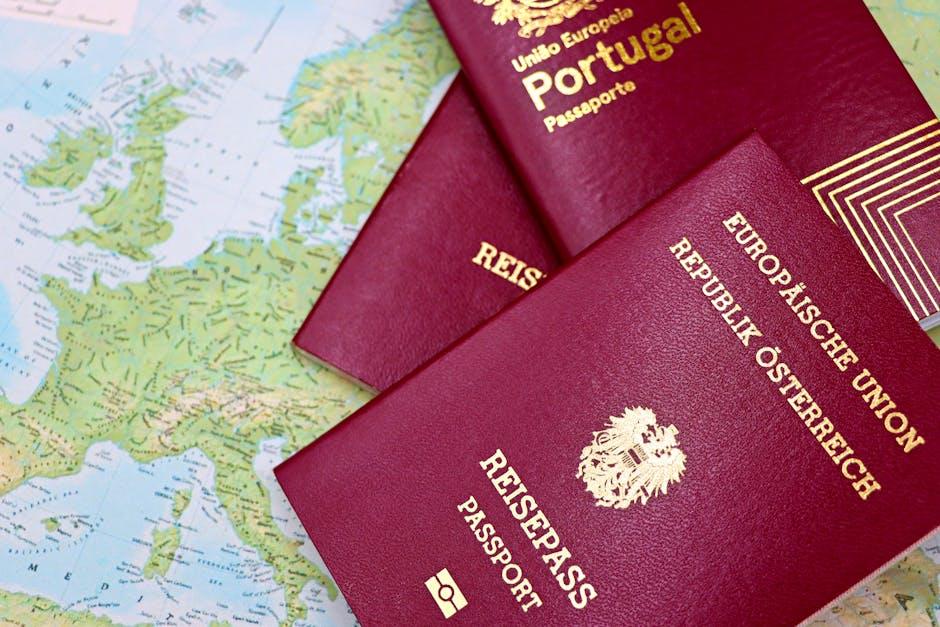
Understanding the Emergence of Joint Citizenship in a Globalized World
In today’s interconnected world, citizenship is no longer a fixed concept bound by geography. The rise of joint citizenship reflects a growing acknowledgment of complex personal identities shaped by migration, multiculturalism, and transnational ties. Individuals increasingly find themselves holding dual or multiple citizenships, allowing them to navigate different legal systems, cultural landscapes, and economic opportunities with greater ease. This evolution speaks to a broader transformation—from singular national loyalty to a flexible, layered sense of belonging that accommodates diverse life experiences.
Several key factors drive this shift toward joint citizenship:
- Global Mobility: Easier international travel and migration enable people to establish deep connections in multiple countries.
- Economic Integration: Cross-border trade and employment require adaptable legal identities to facilitate business and work across nations.
- Cultural Hybridity: Families, social networks, and communities often span continents, fostering multicultural identities.
| Aspect | Traditional Citizenship | Joint Citizenship |
|---|---|---|
| Identity | Singular national identity | Multifaceted, layered identities |
| Legal Rights | Rights confined to one nation | Rights and duties across multiple jurisdictions |
| Obligations | Exclusive to one state | Shared or dual obligations |
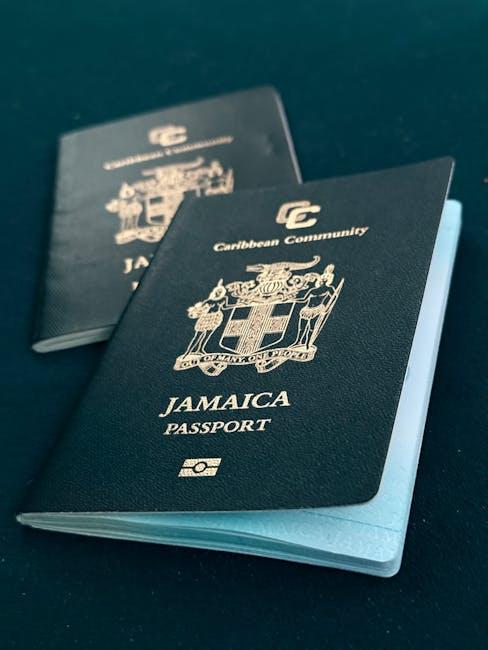
Cultural and Legal Complexities Shaping Dual National Identities
At the crossroads of tradition and modernity, dual nationals often find themselves navigating a labyrinth of cultural allegiances and legal obligations. The richness of two heritages offers a unique tapestry of customs, languages, and expressions, but it also demands a delicate balance between sometimes conflicting societal expectations. Cultural identity becomes a dynamic mosaic, shaped not only by personal experiences but also by the broader historical narratives and collective memories that each country embodies. This duality pushes individuals to continuously redefine their sense of belonging, blending diverse values into a single, evolving identity.
From a legal standpoint, joint citizenship introduces a complex matrix of rights and responsibilities that can vary significantly across jurisdictions. Issues such as military service, taxation, voting rights, and passports require dual nationals to stay informed and compliant with potentially competing laws. The table below encapsulates some key legal considerations faced by dual citizens in selected countries, reflecting just how intricate this interplay can be:
| Country | Military Service | Taxation | Voting Rights |
|---|---|---|---|
| Country A | Mandatory for males aged 18-25 | Tax on worldwide income | Allowed in national elections |
| Country B | Optional volunteer service | Tax on local income only | Voting restricted to residents |
| Country C | Exemptions for dual citizens | Double taxation agreements in place | Universal voting rights |
- Legal flexibility varies widely, necessitating personal research.
- Cultural integration requires embracing both heritage and present environment.
- Identity negotiation is an ongoing, evolving process.
Benefits and Challenges Faced by Modern Joint Citizens
Embracing dual or multiple citizenships opens up a world of opportunities for modern individuals. Access to diverse social services, educational benefits, and employment markets across countries becomes more attainable, enriching lives in ways prior generations could scarcely imagine. Moreover, joint citizens often enjoy enhanced cultural fluidity, blending traditions and perspectives to foster greater global understanding. However, this interconnected identity also demands a nuanced navigation of legal obligations and societal expectations, often requiring careful management of rights and responsibilities in each nation.
The complexities accompanying joint citizenship can be daunting. Among the primary challenges are:
- Taxation Conflicts: Managing tax duties without falling into double taxation.
- Political Allegiance: Balancing conflicting political loyalties or restrictions on holding public office.
- Travel Constraints: Understanding visa requirements and entry regulations for both countries.
The table below encapsulates key advantages and difficulties that contemporary joint citizens frequently encounter:
| Perks | Challenges |
|---|---|
| Broadened employment opportunities | Complex residency requirements |
| Dual healthcare entitlement | Obligations to military service |
| Access to diverse social networks | Potential cultural identity conflicts |
| Multiple voting rights | Restrictions on diplomatic protection |
Policy Considerations for Governments Embracing Dual Citizenship
Governments stepping into the realm of dual citizenship face a complex web of legal and social implications that demand thoughtful navigation. On one hand, embracing joint citizenship can foster stronger diplomatic ties, enhance cultural exchange, and boost economic opportunities through global talent mobility. On the other, it challenges notions of exclusive national loyalty and complicates the administration of legal responsibilities such as taxation, military service, and voting rights. Policymakers must carefully balance these factors, ensuring that safeguards are in place to prevent conflicts of interest while still celebrating the benefits of transnational identity.
To address these multifaceted challenges, governments often consider frameworks that include:
- Clear legal guidelines defining rights and responsibilities for dual citizens
- Streamlined administrative processes to handle citizenship applications and status verification
- Public awareness campaigns that educate citizens on the implications of holding multiple citizenships
- Collaborative international agreements to harmonize policies with other nations
| Policy Aspect | Potential Benefit | Key Challenge |
|---|---|---|
| Taxation | Expanded revenue base | Double taxation conflicts |
| Voting Rights | Increased political participation | Election interference concerns |
| Military Service | Enriched defense collaboration | Conscription conflicts |
Practical Tips for Individuals Managing Multiple National Allegiances
Balancing multiple national allegiances can often feel like walking a cultural tightrope, but adopting a few mindful strategies can ease this journey. Begin by embracing the uniqueness of your identity; see it not as a conflict but as a tapestry woven from diverse threads. Create personal rituals that celebrate each nationality’s heritage—whether through cuisine, holidays, or language practice—helping to maintain a vibrant connection to all parts of your identity. Additionally, develop a support network of others who share similar experiences. These communities provide not only camaraderie but also practical advice for navigating the legal and social nuances of joint citizenship.
On the logistical front, staying organized is crucial to managing responsibilities across borders. A simple, well-maintained reference table listing key details can be invaluable:
| Aspect | Consideration | Action Tip |
|---|---|---|
| Legal Obligations | Taxes, Voting, Military Service | Keep updated calendars; consult experts |
| Documents | Passports, Visas, ID Cards | Renew well before expiry |
| Cultural Events | National Holidays, Festivals | Plan celebrations in advance |
| Languages | Fluency Levels | Practice regularly; join language groups |
By maintaining clarity and establishing rituals for connectedness, you transform the complexity of multiple citizenships into a rich personal asset rather than a source of stress.
In Summary
As the world becomes increasingly interconnected, the concept of identity continues to evolve beyond borders and singular affiliations. Joint citizenship, once a rare legal curiosity, now stands as a powerful symbol of this transformation—offering individuals new ways to belong, engage, and contribute in multiple communities simultaneously. Navigating these layered identities may bring complexity, but it also opens doors to richer experiences and broader horizons. In embracing the rise of joint citizenship today, we witness not just a legal shift, but a dynamic reimagining of what it means to call more than one place “home.”




