
In an increasingly interconnected world, the notion of nationality—once a fixed marker of identity tied to birthplace and heritage—is evolving into a commodity with a price tag. Across the globe, a growing number of countries are offering a unique proposition: the chance to buy a passport, and with it, the privileges of citizenship. This phenomenon, often referred to as “citizenship by investment,” blurs the line between opportunity and controversy, citizenship and commerce. In this article, we delve into the intriguing world of nations that sell citizenship, examining the motivations behind these programs, the benefits they promise, and the complex questions they raise about identity, security, and sovereignty.
Understanding the Rise of Citizenship by Investment Programs
In recent years, the concept of acquiring a second nationality through investment has transitioned from a niche luxury to a mainstream strategy for global mobility and financial diversification. Wealthy individuals and entrepreneurs now see citizenship by investment as a pragmatic tool, offering benefits like visa-free travel, tax optimization, and access to new business opportunities. This trend is fueled by increasing globalization, geopolitical uncertainties, and the evolving demands of a connected world where where traditional routes to citizenship can be slow and bureaucratically daunting.
The rise of these programs has also prompted countries to innovate economic development models. Nations offering citizenship in exchange for investment capital harness this mechanism not only to attract wealthy migrants but also to stimulate sectors such as real estate, technology, and tourism. Below is a snapshot of some prominent benefits that make these programs appealing:
- Global mobility: Instant access to numerous countries visa-free or with simplified entry.
- Economic security: Protection of assets and potential tax incentives.
- Family inclusion: Citizenship rights often extend to spouses and children.
- Fast-track processing: Citizenship granted within months rather than years.
| Country | Minimum Investment | Processing Time | Key Perk |
|---|---|---|---|
| Saint Kitts & Nevis | $150,000 | 3-6 Months | Visa-free EU travel |
| Malta | $1 Million | 12-14 Months | Schengen Area access |
| Dominica | $100,000 | 3 Months | Affordable option |
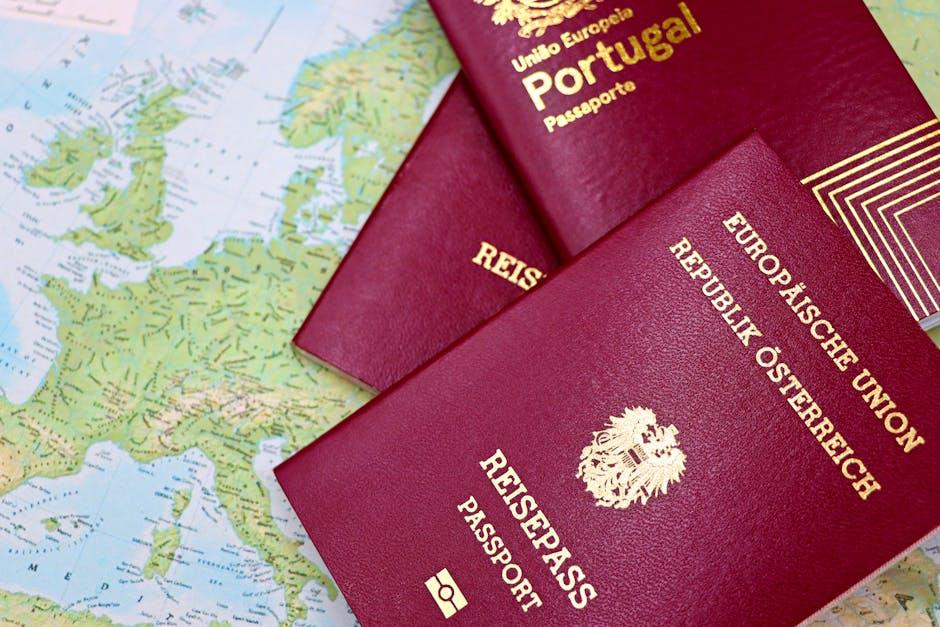
Key Countries Offering Passports for Purchase and Their Criteria
Several countries have embraced the concept of selling citizenship, each with unique criteria designed to attract global investors and entrepreneurs. Among the most notable are St. Kitts and Nevis, Dominica, Malta, and Turkey. These nations typically require applicants to make a significant economic contribution, which might include real estate investment, government donations, or business development commitments. For example, St. Kitts and Nevis offers a streamlined process through a minimum contribution to a government fund or through real estate purchase, providing visa-free travel to over 150 countries.
Investment thresholds and eligibility criteria vary widely, often reflecting the country’s economic goals and political stability. Malta, for instance, demands a multifaceted approach including donation, investment, and residency requirements, emphasizing long-term integration. Meanwhile, Turkey’s passport-for-sale program is lauded for its comparatively lower investment limit, combining property investment or capital contribution with fast-track citizenship. Below is a quick glance at some key nations and their investment criteria:
| Country | Minimum Investment | Type of Investment | Processing Time |
|---|---|---|---|
| St. Kitts & Nevis | $150,000 | Donation or Real Estate | 3-6 months |
| Dominica | $100,000 | Donation or Real Estate | 3 months |
| Malta | €600,000+ | Donation, Investment, Residency | 12-18 months |
| Turkey | $400,000 | Property or Capital Investment | 3-6 months |
Evaluating the Benefits and Risks of Buying a Second Citizenship
Acquiring a second citizenship can open doors that were once firmly shut—offering easier travel, enhanced business opportunities, and even a fresh start in a new environment. Investors often revel in the convenience of visa-free access to a multitude of countries, robust economic protections, and, crucially, a safety net should political or economic instability strike their home nation. The allure of dual citizenship extends beyond mere practicality; it embodies a sense of global mobility and flexibility, affording holders the freedom to live, work, and study across borders without bureaucratic hurdles. Yet, these advantages do not come without a price.
On the flip side, the process of purchasing a second passport demands careful scrutiny of potential risks. Some programs may lack transparency or involve excessive costs, and not all nations hold equal esteem internationally, which could affect consular support and global standing. There is also the risk of triggering tax obligations or conflicting loyalties, complicating legal and financial responsibilities. Before making a commitment, prospective citizens should consider:
- Legal ramifications: Does the new citizenship affect current nationality rights?
- Reputation of the program: Is it internationally recognized and respected?
- Financial obligations: Are fees and taxes clearly disclosed and sustainable?
Understanding these factors thoroughly is vital to making an informed decision that balances opportunity with caution.
Legal and Ethical Considerations in Acquiring Citizenship through Investment
While the allure of obtaining a second passport through investment programs is undeniable, participants must tread carefully amidst a complex web of legal frameworks and ethical dilemmas. Many nations have established these pathways with specific requirements to ensure the integrity of their immigration systems, but potential investors should be vigilant regarding the authenticity of documentation, compliance with anti-money laundering laws, and the potential repercussions for dual citizenship restrictions imposed by their country of origin. Due diligence, legal counsel, and transparency are not only advisable—they are essential to avoid unintended legal pitfalls.
Beyond legality, ethical considerations stir deeper debates. Critics argue that selling citizenship commodifies national identity and potentially undermines local populations whose voices may be marginalized in these transactions. Advocates, meanwhile, emphasize the potential economic benefits and global mobility that investment citizenship provides. Important ethical questions include:
- Equity: Does the program exacerbate inequality by privileging wealth over merit?
- Security: Are there adequate safeguards against misuse by illicit actors?
- Transparency: How openly are financial flows and applicant backgrounds scrutinized?
| Aspect | Legal Focus | Ethical Concern |
|---|---|---|
| Documentation | Verification of authenticity | Preventing identity fraud |
| Financial Compliance | Anti-money laundering laws | Transparency in funds’ origins |
| National Security | Rigorous background checks | Protecting local community safety |
Practical Tips for Choosing the Right Passport for Your Global Mobility Needs
When selecting a passport that aligns with your global mobility ambitions, it’s essential to weigh factors beyond just the price tag. Consider the visa-free access it offers, as this directly impacts travel freedom and ease of entry into key regions. Additionally, evaluate the political stability and international relations of the issuing country—these influence the longevity and reliability of your new citizenship. Remember, the true value lies in the passport’s ability to open doors for business, leisure, and safety.
Practical decisions also involve lifestyle compatibility and family considerations. Some passports come with residency requirements, while others may allow for dual citizenship without restrictions. Here are key points to keep in mind:
- Residency obligations: How much time must you spend in-country annually?
- Tax implications: Check if the country has beneficial tax treaties or no global taxation policies.
- Quality of life: Healthcare, education, and safety standards should match your expectations.
- Family inclusion: Whether dependents qualify under the investment or citizenship program.
Closing Remarks
In a world where borders often define opportunity, the concept of purchasing a passport flips the script—transforming citizenship from a birthright into a strategic investment. As nations open their doors to new citizens through economic means, the landscape of identity, belonging, and sovereignty is quietly evolving. Whether seen as a gateway to global mobility, a tool for financial planning, or a subject of ethical debate, the phenomenon of buying one’s way into a new nationality invites us to reconsider what it truly means to belong. In the end, the passport for purchase is more than just a travel document—it is a symbol of how fluid and multifaceted citizenship can become in our interconnected world.




