
In a world constantly shaped by movement and connection, the bonds of family remain a powerful force that transcends borders. Family-based immigration, often seen as a bridge between distant lives and shared futures, plays a crucial role in weaving together diverse cultures, economies, and communities. This article explores the multifaceted impact of family-based immigration today, examining how it fosters unity, supports integration, and challenges modern societies to balance compassion with policy. As families seek to reunite and rebuild across continents, understanding this form of migration shines a light on the very foundations of human connection in an increasingly interconnected world.
Understanding the Foundations of Family-Based Immigration
At its core, family-based immigration serves as a crucial pillar in weaving the social fabric of nations, fostering unity and continuity across generations. This immigration pathway allows individuals to reunite with loved ones, underpinning societal stability by encouraging cultural diversity and emotional support networks. Essentially, it acts as a bridge—connecting lives separated by borders and filling communities with the vibrancy of shared heritage.
Understanding the nuances of this system is key to appreciating its impact on policy and personal lives alike. It typically involves two main categories:
- Immediate relatives of citizens, including spouses, children, and parents.
- Family preference categories, which extend eligibility to other relatives like siblings and adult children.
To illustrate the structure, consider the following simplified breakdown:
| Category | Qualifying Relatives | Priority Level |
|---|---|---|
| Immediate Relatives | Spouse, Minor Children, Parents | Highest |
| Family Preference | Siblings, Adult Children | Lower |
Through this system, governments balance humanitarian commitments with regulatory frameworks, ensuring the process supports both emotional bonds and legal integrity. Family-based immigration thus remains a powerful testament to the human longing for connection.
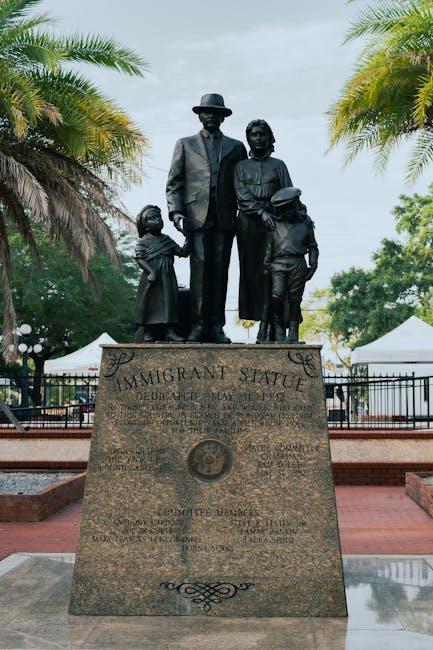
Navigating the Challenges in the Current Immigration Landscape
In today’s complex immigration environment, families face numerous obstacles when trying to reunite across borders. From shifting policies to extended processing times, the journey is often fraught with uncertainty. Understanding these barriers is essential for advocates and immigrants alike, as it empowers them to navigate the system with greater confidence and resilience. While legal frameworks aim to manage flows fairly, the human element – the need to keep families connected – remains paramount. Community organizations and legal experts work tirelessly to provide guidance, ensuring that no one feels lost in the labyrinth of regulations.
Key challenges confronted include:
- Processing delays caused by administrative backlogs and evolving security protocols.
- Documentation complexities requiring meticulous preparation to meet stringent criteria.
- Policy fluctuations leading to unpredictability in eligibility and procedures.
These hurdles necessitate strategies that blend patience with proactive preparation. The ability to anticipate changes, maintain updated records, and seek tailored legal advice often makes the difference between prolonged separation and timely reunification.
| Challenge | Impact | Recommended Approach |
|---|---|---|
| Processing Backlogs | Extended wait times, uncertainty | Regular status checks, legal representation |
| Changing Policies | Shifts in eligibility criteria | Stay informed via official channels |
| Documentation Errors | Application denials or delays | Thorough review and professional assistance |
Economic and Social Benefits of Family Reunification
Policy Innovations to Enhance Family-Based Immigration Systems
To modernize family-based immigration, policymakers are exploring innovative approaches that balance efficiency with compassion. Emphasizing streamlined visa processing can dramatically reduce wait times, allowing families to reunite sooner and contribute more effectively to their communities. Additionally, integrating advanced technology such as AI-driven application assessments promises to minimize errors and lower administrative burdens, creating a smoother experience for applicants and officials alike.
- Priority pathways for immediate family members to address urgent reunification needs
- Expanded eligibility criteria recognizing diverse family structures beyond traditional definitions
- Support services for navigating the immigration process, including multilingual legal aid
Another vital innovation involves incorporating socioeconomic metrics to tailor immigration policies that reflect the dynamic nature of family units and their potential contributions. This data-driven approach enables targeted visa allocations, fostering integration and economic participation. The table below illustrates a conceptual framework for new visa categories designed to respond to different family circumstances, ensuring flexibility and fairness.
| Visa Category | Purpose | Eligibility |
|---|---|---|
| Rapid Reunification | Urgent family reunification | Immediate family of citizens with compelling separation reasons |
| Diverse Families | Recognition of non-traditional family units | Extended family members and chosen family recognized under law |
| Community Integration | Facilitate integration through support programs | Families willing to participate in local integration initiatives |
Strategies for Supporting Immigrant Families in Integration
Creating a welcoming environment for immigrant families requires more than just offering language classes or job opportunities; it involves fostering a genuine sense of belonging and community. Local organizations and schools play a crucial role by hosting cultural exchange events and family-oriented workshops that celebrate diversity while easing the transition to new surroundings. Supporting families through mentorship programs that pair newcomers with long-time residents encourages the sharing of practical knowledge, personal stories, and emotional support—ingredients essential to building trust across cultural divides.
Effective integration strategies also hinge on addressing the unique needs of each family member. Children benefit from tailored educational support and inclusive curricula, while adults often require accessible legal guidance and career counseling. Below is a simple breakdown of key pillars for supporting immigrant families:
| Focus Area | Example Support |
|---|---|
| Language & Education | Multilingual tutoring programs |
| Community Engagement | Cultural festivals and mentorships |
| Economic Empowerment | Job fairs and skills training |
| Health & Well-being | Accessible health clinics and counseling |
Closing Remarks
As the intricate threads of our global tapestry continue to weave closer together, family-based immigration stands as a vital bridge—linking hearts, cultures, and futures. It is more than policy or paperwork; it is the enduring human impulse to connect, belong, and rebuild across borders. In understanding its evolving role today, we glimpse the profound ways in which these family ties shape not only individual lives but the very fabric of our societies. Building bridges, after all, is not just about crossing divides—it is about creating lasting paths toward shared hope and opportunity.




