
In a world where borders blur and cultures blend, holding dual nationality is more than just a legal status—it’s a unique journey of belonging and self-discovery. Navigating dual nationality opens doors to diverse opportunities, access, and perspectives, yet it can also pose complex challenges related to loyalty, identity, and legal obligations. This article delves into the nuanced experience of living between two nations, exploring the benefits, the hurdles, and the evolving sense of identity that emerges from embracing multiple roots. Whether by birth, heritage, or choice, the story of dual nationality is a fascinating reflection of our interconnected world.
Embracing the Advantages of Dual Nationality in a Globalized World
Owning dual nationality opens up a vibrant tapestry of opportunities in today’s interconnected world. It allows individuals to enjoy enhanced travel freedoms, access to multiple healthcare and education systems, and the ability to work or study across borders with greater ease. Beyond practical benefits, dual nationals often find themselves enriched by a deeper cultural understanding, bridging two societies and nurturing a unique global perspective. This multicultural immersion stimulates empathy and adaptability, qualities that are increasingly valued in international business and diplomacy.
However, balancing two passports can also involve navigating complex legal and social landscapes. Managing differing tax obligations, compliance with various national laws, and occasionally encountering bureaucratic hurdles requires careful planning. Socially, dual nationals may face questions of loyalty or struggle with identity, seeking to harmonize their dual allegiances. Below is a succinct overview contrasting key benefits and challenges:
| Advantages | Challenges |
|---|---|
| Visa-free or visa-on-arrival access to more countries | Complex tax residency and filing requirements |
| Eligibility for public services and social benefits in both countries | Potential mandatory military service in one or both countries |
| Broadened career and educational opportunities worldwide | Emotional strain due to divided cultural identity |
| Ability to inherit property or assets across borders | Possible diplomatic protection limitations |
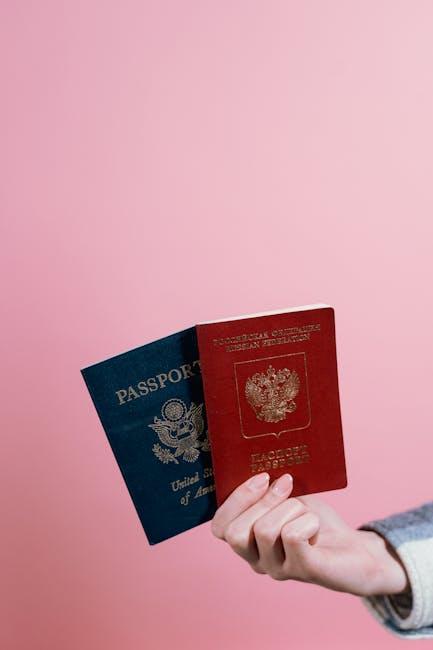
Unpacking the Legal and Bureaucratic Complexities Faced by Dual Citizens
Dual citizenship opens a gateway to broader opportunities but entwines individuals in a web of legal intricacies that require careful navigation. Laws governing nationality differ widely, creating a patchwork of obligations and rights that can sometimes clash. For instance, dual citizens might face conflicting tax duties or legal expectations, as each country may demand allegiance and compliance in unique ways. Understanding these overlapping jurisdictions is essential to prevent unintended violations or bureaucratic entanglements.
Bureaucratic processes further complicate matters, often turning routine procedures into challenging ordeals. Maintaining valid passports, updating documentation, and fulfilling country-specific requirements can become time-consuming. Common hurdles dual citizens regularly encounter include:
- Voting regulations: differing rules about participation in elections.
- Military service obligations: mandatory service that can conflict between nations.
- Inheritance and property laws: complex cross-border legal frameworks.
- Travel restrictions: limitations or added scrutiny when entering or leaving certain countries.
| Aspect | Country A | Country B |
|---|---|---|
| Tax Filing | Taxed on global income | Taxed only on domestic income |
| Mandatory Military Service | Required at 18 years | Not compulsory |
| Citizenship Renunciation | Allowed but lengthy process | Not permitted |
| Passport Validity | 10 years | 5 years |
Successfully managing these complexities demands a proactive approach and informed legal counsel. Dual citizens who embrace this labyrinth of rules with clarity and careful planning can unlock rich personal and professional advantages, while sidestepping pitfalls that arise from uninformed assumptions.
The Emotional Landscape of Balancing Multiple Cultural Identities
Experiencing the world through the lens of multiple cultures often means navigating a complex emotional terrain. There is a unique thrill in embracing diverse traditions, languages, and values, yet this joy can be shadowed by moments of confusion and disconnection. Individuals find themselves constantly negotiating their sense of belonging — whether at family gatherings, social settings, or professional environments. This emotional balancing act can lead to feelings of exhilaration as well as isolation, as the pressure to honor multiple identities sometimes causes inner conflict. The heart becomes a mosaic, pieced together by fragments of different cultural narratives that shape how one views self and society.
Managing these intricate layers requires emotional resilience and self-awareness. The emotional landscape is often dotted with challenges such as:
- Identity Ambiguity – questioning where one truly fits in
- Cultural Expectations – balancing sometimes conflicting norms and values
- Language Barriers – switching between languages can be mentally taxing
- Social Inclusion – feeling fully accepted in either or both cultures
Yet within these challenges lies tremendous growth, allowing for a richer emotional palette. Individuals develop empathy, adaptability, and a profound appreciation for diversity that shapes not only their internal world but also how they engage with others.
| Emotional Challenge | Positive Outcome |
|---|---|
| Feeling caught between cultures | Enhanced cultural empathy |
| Striving for acceptance | Deepened social adaptability |
| Language switching fatigue | Cognitive flexibility |
Practical Strategies for Leveraging Dual Nationality in Career and Travel
Harnessing the advantages of dual nationality in your professional life means more than just holding two passports. Tap into diverse job markets by leveraging your unique eligibility to work legally in multiple countries without the usual visa hassle. This can significantly expand your career opportunities, especially in industries like international business, diplomacy, and tourism. Additionally, dual nationality often enables smoother networking across borders, allowing you to establish connections that might otherwise be inaccessible. Consider joining local professional organizations or forums in both countries to maximize your reach and credibility.
When it comes to travel, dual nationality offers remarkable freedom, but planning remains key. For instance, use your second passport to avoid lengthy visa processes and enjoy easier entry to countries that may restrict one nationality. Below is a quick reference table highlighting select benefits:
| Aspect | Benefit | Example |
|---|---|---|
| Work Authorization | Automatic eligibility | Work freely in two countries without visas |
| Travel Ease | Visa-free or simplified entry | Use passport A where passport B faces restrictions |
| Business Opportunities | Access dual markets | Set up companies under favorable regulations |
Ultimately, practical utilization of dual nationality involves strategic planning, awareness of legal nuances, and embracing the cultural dimensions of both identities, empowering you to navigate the globe and your career with a distinct edge.
Building a Cohesive Sense of Self Amidst Dual Allegiances
Juggling identities from two nations often leads to a rich but complex personal narrative. It requires embracing the unique blend of cultural values, traditions, and perspectives that shape who we are. Developing a harmonious sense of self involves recognizing and valuing the strengths each part of our heritage brings, while also respecting occasional tensions that arise. This balance creates a dynamic identity that is not fragmented, but rather, multilayered and resilient.
To navigate this dual existence, many find it helpful to establish personal rituals or practices that honor both backgrounds. This might include celebrating holidays from each culture or speaking multiple languages at home. The key is to create a personalized map of identity that integrates these elements rather than divides them.
| Identity Challenge | Harmonizing Strategy |
|---|---|
| Conflicting values | Open dialogue with family |
| Language barriers | Language exchange routines |
| Cultural expectations | Selective cultural engagement |
| Social belonging | Community participation |
- Self-awareness: Regular reflection on personal feelings and experiences.
- Flexibility: Willingness to adapt and evolve one’s identity.
- Support networks: Connection with people who understand dual nationality experiences.
The Way Forward
In the intricate dance of dual nationality, individuals weave together threads from different cultures, laws, and histories, crafting identities that are as rich as they are complex. While the benefits open doors to opportunities and broaden horizons, the challenges call for thoughtful navigation and resilience. Ultimately, embracing dual nationality is more than a legal status—it is a journey of self-discovery, a balancing act between worlds that shapes not just where we belong, but who we choose to become. As societies continue to globalize and borders blur, understanding and appreciating this multifaceted experience becomes ever more essential.




