
In an era defined by movement and connection, the journey of crossing borders has become both a metaphor and a reality for millions around the world. As people traverse continents and cultures, they navigate not only physical boundaries but also the complex currents of identity, opportunity, and belonging. “Crossing Borders: Navigating the Waves of Global Migration” invites readers to explore these intricate tides—examining the forces that propel migration, the challenges faced by migrants, and the profound transformations that ripple through societies. This exploration sheds light on a phenomenon that is reshaping our global landscape, revealing the human stories behind the numbers and the ever-shifting map of our interconnected world.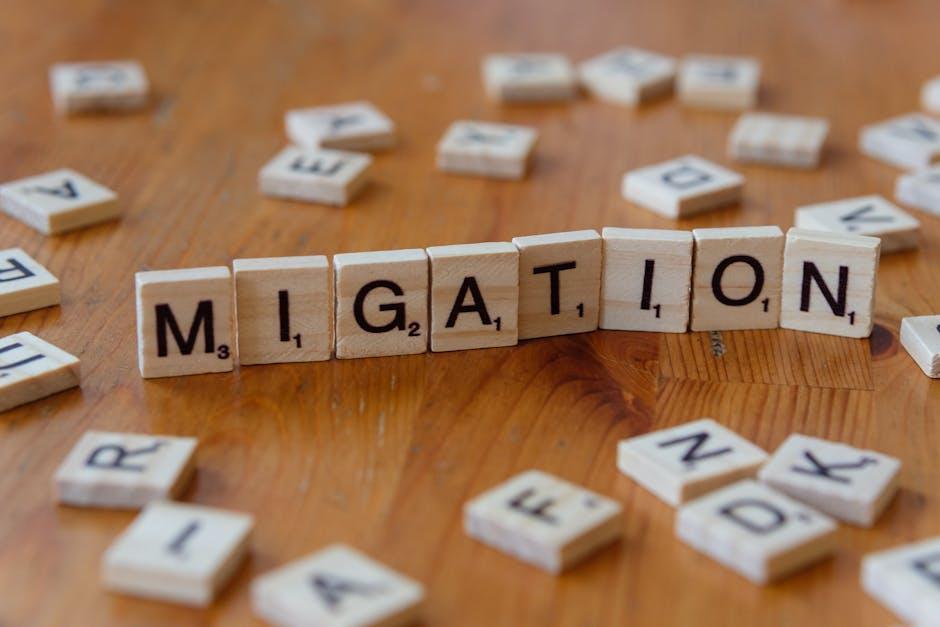
The Human Stories Behind Migration Patterns
Behind every data point and migration chart lies a tapestry of individual lives, dreams, and struggles. Migrants often carry with them stories of hope, resilience, and sacrifice—a mother seeking safety for her children, a young artist chasing freedom of expression, or a worker striving for better opportunities. These narratives reveal the deeply human elements that fuel migration patterns worldwide, reminding us that migration is not just a movement of people but a crossing of identities, cultures, and aspirations.
Understanding these stories helps us appreciate the complexity of migration:
- Emotional journeys: The psychological toll of leaving home and adapting to new environments.
- Cultural intersections: How migrants bridge worlds and contribute to diverse social fabrics.
- Challenges faced: Battling legal barriers, discrimination, and socioeconomic instability.
| Story Type | Common Experiences | Impact |
|---|---|---|
| Economic Migrants | Job seeking, family support | Boosts economies, but may face exploitation |
| Refugees | Escaping conflict, trauma | Need protection, often face integration hurdles |
| Students & Professionals | Education, career growth | Enrich host countries with skills and innovation |
Economic Currents Shaping Global Movement
Across continents, economic tides act as powerful magnets in the ongoing story of human migration. Prosperity in prosperous urban centers contrasts sharply with stagnation in less developed regions, creating a complex web of push and pull factors. From burgeoning tech hubs drawing skilled professionals to agriculture-dependent rural areas seeking seasonal labor, these economic currents are far from linear. Job opportunities, cost of living, and access to education become determining variables that individuals weigh carefully before crossing borders.
Understanding these trends requires a closer look at how income disparities, remittance flows, and global market demands shape migratory paths. Consider the following economic indicators influencing migration patterns:
| Indicator | Impact on Migration | Example Regions |
|---|---|---|
| Wage Differential | Encourages labor mobility towards higher-paying markets | South Asia to Middle East |
| Remittance Volume | Supports home economies, sustaining outbound migration | Latin America to USA |
| Unemployment Rates | Drives emigration from regions with scarce job opportunities | North Africa to Europe |
- Economic stability acts as both a beacon and a barrier.
- {{Migration policies}} intertwine with economic factors, altering flow intensity.
- Global supply chains indirectly influence labor migration by shifting job availability.
Legal Frameworks and the Challenge of Border Control
At the heart of modern migration lies a complex web of legal frameworks, crafted to balance national security concerns with humanitarian obligations. These frameworks are often a patchwork of international treaties, bilateral agreements, and domestic laws that shape how borders are managed. Yet, their inherent rigidity sometimes clashes with the fluid and unpredictable nature of human mobility, requiring border authorities to constantly adapt. This dance between regulation and reality highlights the challenge of enforcement in an era where people, goods, and ideas move with unprecedented speed.
One way to visualize this complexity is through the varied types of border control measures governments employ:
- Physical barriers such as walls and fences designed to deter unauthorized crossings.
- Technological surveillance using drones, sensors, and biometric data to monitor and identify movement.
- Legal pathways like visas and asylum systems aimed at regulating the flow through official channels.
- Cooperative enforcement involving cross-border intelligence sharing and joint patrols.
Each measure carries its own set of challenges—ethical, logistical, and political—underscoring why crafting policies that are both effective and compassionate remains a formidable task.
| Border Control Method | Primary Goal | Key Challenge |
|---|---|---|
| Physical Barriers | Deterrence | Humanitarian Concerns |
| Technological Surveillance | Detection | Privacy Issues |
| Legal Pathways | Regulation | Processing Delays |
| Cooperative Enforcement | Collaboration | Sovereignty Conflicts |
Cultural Integration in a Transnational World
The tapestry of modern society is increasingly woven with strands from diverse cultures, traditions, and worldviews. As individuals traverse borders, they bring not only their heritage but also fresh perspectives that challenge and enrich host communities. This dynamic exchange fosters a multidimensional identity where language, customs, and values blend, creating new forms of expression and social cohesion. Embracing cultural integration means recognizing the beauty of this coexistence while navigating differences with empathy and respect.
Successful integration can be seen in various social spheres, from education to workplace diversity, each offering unique opportunities for growth and understanding. Consider key drivers for fostering this harmony:
- Intercultural dialogue: Encouraging open communication to bridge gaps and dispel misconceptions.
- Community participation: Involving migrants in local decision-making to ensure inclusive representation.
- Cultural education: Promoting programs that teach both newcomers and natives about each other’s backgrounds.
| Integration Factor | Impact |
|---|---|
| Language Proficiency | Facilitates communication and access to services |
| Employment Opportunities | Supports economic independence and social inclusion |
| Social Networks | Builds support systems and cultural bridges |
Strategies for Sustainable and Inclusive Migration Policies
Crafting migration policies that stand the test of time requires a balance between human dignity and pragmatic governance. At the heart of this endeavor lies a commitment to empowerment and equity, ensuring migrants are not just numbers but valued contributors to their new communities. This means embedding robust social support systems, language and vocational training programs, and protection mechanisms against exploitation. By fostering mutual respect and cultural exchange, societies can transform migration from a challenge into a shared opportunity for growth.
- Community integration initiatives to promote social cohesion
- Transparent legal pathways that safeguard migrants’ rights
- Collaborative international frameworks ensuring responsibility sharing
| Policy Focus | Key Benefit | Example Initiative |
|---|---|---|
| Skill Development | Employment Opportunities | Vocational Training Centers |
| Legal Access | Rights Protection | Legal Aid Clinics |
| Community Engagement | Social Integration | Cultural Exchange Programs |
Incorporating sustainability into migration policies also demands foresight and flexibility. Governments and stakeholders must anticipate evolving global dynamics—economic shifts, climate change, and geopolitical tensions—that influence migratory flows. Areas hit hardest by environmental degradation need frameworks that support relocation without compromising cultural identities. Moreover, real-time data monitoring combined with grassroots feedback loops can fine-tune policy implementation, ensuring that inclusivity is not just aspirational but actionable.
The Conclusion
As the tides of migration continue to reshape our world, crossing borders is more than a physical journey—it is a profound navigation of identity, hope, and change. In embracing the complexities and stories woven into each journey, we gain a clearer understanding of the interconnected global tapestry. The waves of migration will persist, challenging us to approach them not as mere crossings of lines on a map, but as transformative currents that invite empathy, innovation, and a reimagining of what it means to belong.




