
In a world increasingly defined by movement and connection, dual nationality stands as a unique emblem of identity—one foot planted firmly in each of two distinct cultures, histories, and legal landscapes. Navigating dual nationality is much like walking a bridge between two worlds, where the benefits and challenges intertwine in complex ways. This intricate balance offers individuals a rich tapestry of opportunities, from expanded rights to a broader sense of belonging, yet it also calls for thoughtful navigation of competing loyalties and responsibilities. This article explores the multifaceted experience of holding dual citizenship, illuminating the paths it opens and the crossroads it presents in today’s globalized society.
Understanding the Legal Landscape of Dual Nationality
Embracing dual nationality means stepping into a world where legal boundaries intertwine, creating a complex yet fascinating framework. This legal status grants individuals the privilege to hold citizenship in two countries simultaneously, but it also brings a set of unique responsibilities and challenges. Various countries have distinct policies regarding dual citizenship—some fully embrace it, allowing unrestricted rights and privileges, while others impose restrictions, including limitations on political participation or mandatory military service. Understanding these nuances is crucial for anyone considering or already navigating the dual nationality path.
Key factors to consider include:
- Tax obligations: Citizens may be required to file taxes in both countries, depending on bilateral agreements.
- Consular protection: Dual nationals might face situations where one country cannot provide assistance if the other country’s laws take precedence.
- Legal conflicts: Laws regarding inheritance, property rights, and criminal jurisdiction can differ significantly.
| Country | Dual Citizenship Policy | Notable Restriction |
|---|---|---|
| Canada | Permitted | None |
| Japan | Limited | Must choose one citizenship by age 22 |
| Germany | Restricted | Generally not allowed, exceptions apply |
Cultural Identity and Emotional Balance in Two Homelands
Balancing cultural identity while embracing dual nationality often involves a delicate dance between the familiar comforts of one homeland and the vibrant new experiences of another. This dual existence cultivates a rich internal mosaic where traditions, languages, and values merge to create a truly unique perspective on the world. Emotional balance emerges as the bridge that connects these diverse elements, empowering individuals to navigate the complexity with resilience and self-awareness. By honoring both cultures equally, one can foster a sense of belonging that transcends geographical borders and nurtures inner peace.
Living with dual nationality also encourages a continual process of self-discovery and adaptation. Here are some key practices that help maintain harmony between these intertwined identities:
- Engaging in cultural rituals from both homelands to reinforce a sense of identity
- Building communities that celebrate hybrid backgrounds
- Reflecting on personal experiences to identify emotional triggers related to cultural challenges
- Practicing mindfulness to maintain emotional equilibrium in moments of cultural conflict
| Aspect | Homeland A | Homeland B |
|---|---|---|
| Language | Rich in poetic expressions | Practical and direct |
| Family Traditions | Multi-generational gatherings | Creative celebrations |
| Emotional Expression | Reserved, reflective | Open, expressive |
Practical Benefits and Challenges of Holding Dual Citizenship
Holding dual citizenship opens a world of opportunities, weaving together the best of both nations into your daily life. From the freedom to work and live without visa restrictions to enjoying social benefits such as healthcare and education in two countries, the practical perks are plentiful. Travel becomes seamless, as you can often bypass lengthy visa applications and gain access to more countries with different passports. Additionally, dual citizens frequently find it easier to engage in international business, expanding their professional horizons while fostering cultural connections that enrich personal growth.
However, this unique status isn’t without its challenges. Navigating legal obligations can become complex, as responsibilities like taxation, military service, and compliance with both countries’ laws may arise. Dual citizenship can sometimes lead to identity conflicts, especially when political tensions flare between the two nations. Below is a quick overview of some common advantages and hurdles:
| Advantages | Challenges |
|---|---|
| Visa-free international travel | Dual taxation risks |
| Access to education and healthcare | Complicated legal compliance |
| Work rights in both countries | Possible allegiance conflicts |
| Broadened cultural identity | Renewal and documentation hassles |
Strategies for Managing Obligations and Rights Abroad
Balancing the rights and responsibilities tied to dual nationality requires a deliberate approach and comprehensive understanding of both countries’ frameworks. Start by creating a personal obligation map: list your legal duties like tax payments, military service, or voter registration for each nation. Equally, itemize your rights, such as access to social security, healthcare, and property ownership. This visual aid can help you prioritize compliance and avoid unintended breaches in either jurisdiction. Remember, obligations often vary dramatically depending on residency status and local regulations, so consulting with legal experts or consulates is a vital step.
Effective management also hinges on proactive communication and documentation. Maintain up-to-date records of your citizenship papers, tax filings, and any correspondence related to your dual status. Use this checklist to stay organized:
- Regularly verify passport and visa validity for smooth international travel.
- Track tax deadlines and double taxation agreements to optimize your financial obligations.
- Stay informed of changes in laws that might impact your civil duties or entitlements.
- Engage with diaspora communities or support groups to share experiences and insights.
| Aspect | Country A | Country B |
|---|---|---|
| Tax Residency | Based on 183-day rule | Based on permanent home |
| Voting Rights | Mandatory registration | Optional participation |
| Military Service | Compulsory for men | Voluntary only |
| Healthcare Access | Universal coverage | Insurance-based |
Building a Personal Bridge Between Diverse National Experiences
Living between two nations is like weaving a tapestry with threads of contrasting hues, each representing unique cultural values, traditions, and perspectives. The challenge lies not in choosing one over the other but in interlacing these differences into a coherent personal narrative. This process begins with embracing the fluidity of identity—acknowledging that dual nationality doesn’t demand a split allegiance but invites a richer, more inclusive sense of self. By actively engaging with both communities, one fosters empathy and a broader worldview, which in turn builds an internal bridge connecting two worlds.
To cultivate this personal bridge, one can focus on core experiences that define each nationality, creating spaces where they harmonize rather than clash. Key strategies include:
- Shared celebrations: Participating in festivals and holidays from both cultures to create meaningful rituals.
- Language practice: Maintaining fluency helps keep communication open and preserves cultural nuances.
- Storytelling: Sharing family histories and personal anecdotes enriches understanding and appreciation.
- Community involvement: Engaging in social and cultural events that nurture cross-cultural connections.
| Aspect | Approach | Benefit |
|---|---|---|
| Cultural Traditions | Blend customs thoughtfully | Creates unique rituals |
| Language | Practice both regularly | Enhances communication |
| Community | Stay active in both spheres | Builds diverse support networks |
| Identity Reflection | Journaling and self-dialogue | Clarifies evolving sense of self |
The Conclusion
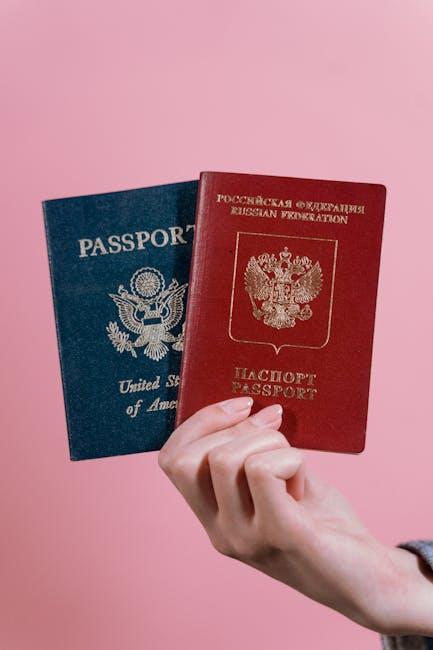
In the intricate dance of dual nationality, individuals find themselves not merely balancing two passports but weaving together stories, traditions, and identities into a singular tapestry. Navigating this bridge between worlds can be as challenging as it is enriching, offering a unique lens through which to view belonging and identity. As borders blur and global connections deepen, embracing the complexities of dual nationality becomes an act of understanding—a testament to the evolving narrative of what it means to call more than one place home. In this journey, the dual national stands not between two worlds but at the vibrant crossroads of many, shaping a future defined by both unity and diversity.




