
In an increasingly interconnected world, identity no longer fits neatly within the borders of a single nation. Dual citizenship, once a rare and exceptional status, has become a compelling reality for millions navigating the complex intersections of heritage, opportunity, and allegiance. This phenomenon opens doors to new rights and privileges, yet also presents intricate legal, cultural, and political challenges. “Navigating Nations: The Complex World of Dual Citizenship” explores this multifaceted landscape, shedding light on the personal journeys and global implications that define what it means to belong to more than one homeland.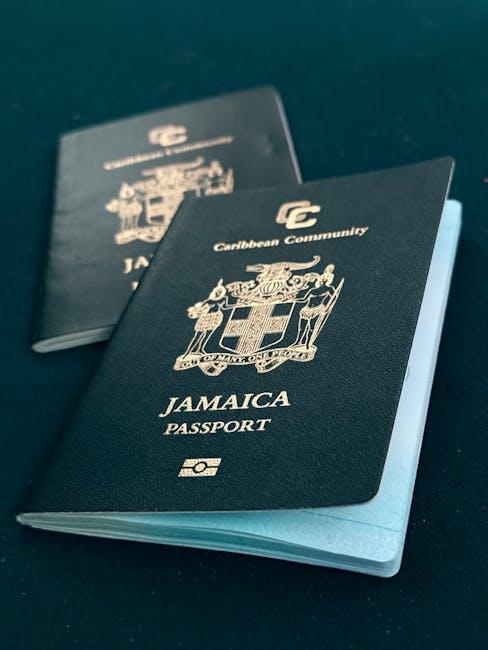
Understanding the Legal Landscape of Dual Citizenship
Dual citizenship unfolds a legal tapestry woven from the threads of varying national laws, policies, and international agreements. Each country holds its own stance on recognizing multiple nationalities, ranging from open acceptance to stringent prohibitions. For instance, some nations encourage dual citizenship to bolster cultural ties and economic opportunities, while others view it as a potential conflict of loyalty, imposing limitations or demanding renunciation of previous citizenships.
Understanding these legal nuances is crucial for anyone navigating dual citizenship. Considerations include:
- Tax obligations: Dual citizens must often navigate complex tax laws of both countries, which can lead to double taxation or require specific reporting.
- Civic duties: Responsibilities such as military service or jury duty might apply in one or both nations.
- Travel and residency rights: Some countries grant visa-free travel to their citizens, a valuable benefit for dual nationals.
- Impact on family law: Inheritance, marriage, and custody laws may differ significantly, affecting personal matters.
| Country | Dual Citizenship Policy | Notable Restriction |
|---|---|---|
| Canada | Permitted | None |
| Japan | Restricted | Must choose nationality by age 22 |
| Germany | Conditional | Requires approval, usually only for EU or Swiss nationals |
| India | Not permitted | No dual citizenship allowed; Overseas Citizenship of India available |

Balancing Rights and Responsibilities Across Borders
Wielding the privileges of citizenship in two countries is a delicate dance that demands more than just the joy of cultural connection—it calls for a conscientious embrace of obligations on both fronts. Dual citizens navigate a maze of legal expectations, from tax filings to civic duties like voting or even compulsory military service, where applicable. These responsibilities aren’t always aligned harmoniously between governments, creating a unique challenge: how to honor commitments without compromising allegiance or legal standing.
Consider the practical complexities laid out in this simple comparison:
| Aspect | Country A | Country B |
|---|---|---|
| Tax Obligations | Global income taxed | Only local income taxed |
| Civic Duties | Mandatory voting | Voluntary voting |
| Military Service | Compulsory at 18 | No service required |
| Passport Use | Must enter/exit using national passport | No restrictions |
- Legal Advice: Expert counsel is often critical to interpret overlapping laws effectively.
- Awareness: Staying informed about changing policies in each country prepares dual citizens for evolving responsibilities.
- Dialogue: Establishing communication with relevant authorities can ease conflicts and ensure compliance.
Cultural Identity and the Emotional Dimensions of Dual Allegiance
The experience of holding dual citizenship often weaves a rich tapestry of emotions that reflect a deep connection to two distinct cultural heritages. This dual allegiance frequently transcends legal definitions, embedding itself within the individual’s sense of self and belonging. It fosters an intricate dance of identities, where traditions, languages, and values coexist and sometimes clash, creating a dynamic internal dialogue. People navigating these waters may find themselves celebrating holidays from both nations or grappling with conflicting societal expectations, all while searching for a harmonious personal narrative.
Emotionally, this duality can evoke a spectrum of feelings—pride, confusion, and even tension. The connection to multiple homelands often enriches perspectives but can also prompt questions about loyalty and authenticity. Consider these emotional dimensions when embracing dual citizenship:
- Belonging: A profound attachment that transcends borders, making two places feel like home.
- Conflict: The occasional struggle between differing cultural values and expectations.
- Empowerment: The ability to navigate and connect with diverse communities and opportunities.
| Emotion | Description | Common Experience |
|---|---|---|
| Belonging | Feeling rooted in two cultures simultaneously | Celebrating dual national holidays |
| Identity Conflict | Struggling between differing cultural norms | Choosing which language to speak at home |
| Empowerment | Gaining access to broader opportunities | Working or studying across borders |
Practical Tips for Managing Dual Citizenship Challenges
Balancing the demands of two citizenships often requires a strategic and informed approach. Start by maintaining organized records of all your official documents, including passports, visas, tax filings, and any correspondence with government agencies. Being proactive about deadlines — such as tax returns and citizenship renewals — prevents legal complications and helps you avoid fines or penalties. Additionally, regularly update yourself on changes in immigration laws in both countries; these regulations can shift suddenly and might affect your rights and obligations.
Communication plays a pivotal role. Establish clear channels for staying in touch with consulates or embassies of both nations, especially if you live abroad. To navigate the often complex taxation landscape, consider consulting professionals familiar with international tax law to optimize your financial standing and prevent double taxation. Below is a simple checklist to help you stay on top of critical tasks:
- Track passport expirations and renew well in advance.
- Understand voting rights and civic duties in both countries.
- Keep digital backups of all official documents.
- Monitor tax deadlines and filing requirements carefully.
- Stay informed about dual citizenship laws and updates.
| Challenge | Recommended Approach |
|---|---|
| Dual taxation | Use tax treaties & consult advisors |
| Document management | Maintain physical & digital organized copies |
| Civic responsibilities | Stay updated on voting & military obligations |
| Changing immigration laws | Regularly review official government portals |
Strategizing Future Mobility and Global Opportunities
As the borders blur and the global economy becomes ever more intertwined, crafting a robust mobility strategy is no longer a luxury but a necessity. Dual citizenship opens doors not only to travel freedoms but to expanded career landscapes, cultural integration, and financial optimization. Navigating this terrain means weighing the benefits of seamless access against the complexities of legal obligations and identity negotiations. Future mobility is thus a multidimensional game, combining foresight, adaptability, and global awareness.
Unlocking global opportunities often demands a keen understanding of the nuanced frameworks that govern dual nationality. From visa regulations to taxation policies, the interplay between countries can either accelerate or hinder personal growth and investment agility. Consider the following strategic factors:
- Tax efficiency: Leveraging favorable bilateral treaties to minimize fiscal burdens.
- Educational access: Gaining eligibility for world-class institutions unavailable on a single citizenship.
- Investment diversification: Utilizing market entry and property rights that hinge on nationality.
- Political stability: Balancing residence between nations with varying degrees of governance risk.
| Aspect | Single Citizenship | Dual Citizenship |
|---|---|---|
| Travel Freedom | Limited by one passport | Access to two sets of visa exemptions |
| Tax Obligations | One country’s laws apply | Potential complexity, but opportunity for optimization |
| Property Ownership | May face restrictions abroad | Broader rights in multiple jurisdictions |
| Cultural Integration | Single cultural identity | Enhanced multicultural experience |
Future Outlook
In the intricate dance of borders and identities, dual citizenship stands as both a bridge and a labyrinth—a testament to our increasingly interconnected world. Navigating its complexities requires not only an understanding of laws and allegiances but also a thoughtful reflection on what it means to belong. As nations continue to evolve and intertwine, so too will the stories of those who call more than one place home, reminding us that identity is rarely confined to a single line on a map.




