
In an increasingly interconnected world, the concept of belonging to more than one nation is no longer a distant ideal but a tangible reality for millions. Dual citizenship, once a rarity reserved for diplomats or those with exceptional circumstances, has become a practical and often advantageous status for people crossing borders, embracing multiple cultures, and weaving together diverse identities. Yet, living with the privileges and responsibilities of two passports is a nuanced journey—often marked by unique opportunities and complex challenges. This article explores the art of navigating life in two nations seamlessly, shedding light on how dual citizens balance the ties that bind them to their homes, laws, and communities.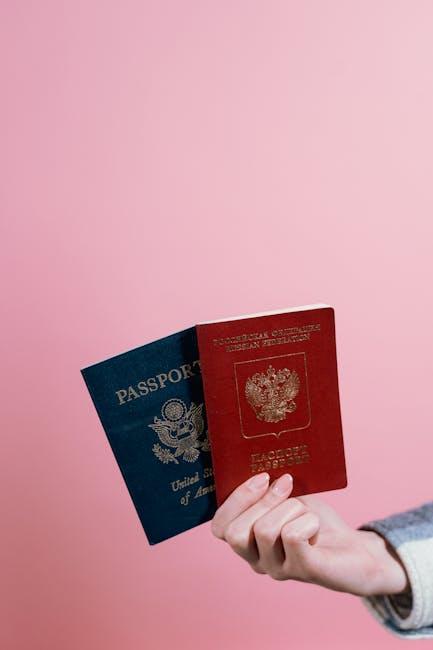
Understanding the Legal Landscape of Dual Citizenship
Grasping the intricacies of holding citizenship in two countries involves more than just celebrating the benefits; it requires a keen awareness of the legal frameworks each nation enforces. Every country approaches dual citizenship with its unique set of rules—some welcome it openly, while others impose strict limitations or even prohibit it outright. For individuals considering this path, understanding the legal stipulations is paramount to avoid unintended consequences such as loss of citizenship, penalties, or complex tax obligations.
Key legal aspects to consider include:
- Residency requirements: How long you can live outside your home country without jeopardizing your citizenship.
- Military service obligations: Potential duties that may arise in either nation.
- Tax regulations: Responsibilities for declaring and paying taxes in both countries.
- Inheritance laws: How assets are managed across borders during succession.
| Country | Dual Citizenship Policy | Tax Filing Requirement |
|---|---|---|
| Canada | Allowed | Yes, global income |
| Japan | Restricted | No dual filing |
| Germany | Conditional | Yes, global income |

Balancing Cultural Identity Across Borders
Living between two worlds presents a unique tapestry of experiences that enrich personal identity. Embracing dual citizenship means more than just a legal status; it invites individuals to weave together traditions, languages, and values from both nations. This dynamic blend often fosters a deep sense of belonging and pride, while also challenging one to reconcile differing societal norms and expectations. The balance is a nuanced dance — honoring heritage while adapting to new cultural rhythms — creating a profound internal harmony that transcends borders.
Successfully managing this cultural equilibrium requires intentionality and openness. Key approaches include:
- Continuous learning: Engaging with both cultures through language, history, and social practices across communities.
- Building supportive networks: Connecting with others who share similar dual citizenship experiences helps foster mutual understanding.
- Flexible mindset: Accepting that cultural identity is fluid, and it’s natural to shift emphasis depending on context.
| Aspect | Benefit | Challenge |
|---|---|---|
| Cultural Expression | Rich personal identity | Potential social expectations conflict |
| Legal Rights | Access to services & protection | Understanding dual obligations |
| Social Connections | Broadened community base | Managing split loyalties |
Practical Tips for Managing Finances and Taxes Internationally
When managing finances and taxes across two countries, staying organized is key. Create a dedicated financial folder—whether digital or physical—for all documents such as tax returns, banking statements, and residency proofs. Automate bill payments in both nations where possible to avoid late fees, and set up currency alerts to track fluctuations if your income or expenses span multiple currencies. Regular consultations with tax professionals familiar with both jurisdictions can prevent costly mistakes, ensuring compliance without overpaying. Consider leveraging technology with apps designed for expats to monitor exchange rates, remote banking, and tax deadlines seamlessly.
Understanding the tax treaties between your two countries can save you from double taxation, but these agreements are often complex. Here’s a quick guide to common provisions you might encounter:
| Provision | What It Means | Potential Benefit |
|---|---|---|
| Foreign Tax Credit | Credits taxes paid abroad against home country tax liability | Reduces overall tax burden by avoiding double taxation |
| Tax Residency Tie-Breaker | Determines the country where you are primarily taxed | Clarifies primary tax obligations and reduces conflicts |
| Exemption of Certain Incomes | Some income types may be taxed only in one country | Optimizes income streams by minimizing taxes |
By staying informed and proactive, you can take full advantage of your dual citizenship status without the stress of unexpected tax surprises. Remember, careful planning, coupled with ongoing education, transforms financial complexity into confident decision-making.
Navigating Travel and Residency Rights with Two Passports
Holding two passports opens a world of opportunities but also requires navigating a complex landscape of travel and residency rights. Each nation’s regulations differ, which means staying informed about visa requirements, entry permissions, and length of stay is crucial. For example, some countries grant visa-free access or extended residency periods to their citizens, while others impose restrictions or require special permits. Understanding the nuances of each passport lets you maximize benefits like easier border crossings, exemption from certain bureaucratic steps, and access to exclusive social services.
Moreover, residency rules vary significantly; dual citizens may need to declare their status or register with local authorities to maintain their rights abroad. Properly managing these obligations ensures you retain the full advantages of your dual nationality, from healthcare access to property ownership and employment eligibility. Below is a quick reference table illustrating common travel and residency scenarios:
| Aspect | Country A Passport | Country B Passport |
|---|---|---|
| Visa-Free Countries | 120+ | 80+ |
| Max Residency Without Permit | 90 days | 180 days |
| Healthcare Access | Full Coverage | Partial Coverage |
| Property Ownership Allowed | Yes | Yes, with restrictions |
- Keep travel documents updated to avoid unforeseen delays at borders.
- Consult legal experts for changes in immigration laws affecting residency.
- Utilize consular services for dual citizens when living or traveling abroad.
Building a Harmonious Life By Embracing Dual National Loyalties
Living with dual national loyalties offers a unique tapestry of experiences, merging diverse cultural values and traditions into one cohesive identity. Instead of viewing these loyalties as conflicting, individuals can craft a balanced approach by recognizing the strengths and wisdom each nation contributes to their worldview. Embracing these dual affiliations encourages a mindset of inclusivity and adaptability, where one can switch seamlessly between cultural lenses without losing a sense of belonging. This fluidity not only enriches personal growth but also fosters a profound sense of empathy and open-mindedness.
To effectively nurture this harmonious life, consider cultivating these key practices:
- Celebrate shared values: Identify and focus on the common principles that both nations uphold, such as community, resilience, or innovation.
- Create intentional rituals: Blend traditions from both cultures in everyday life, whether in food, holidays, or language use, to maintain a living connection to both identities.
- Build diverse support networks: Engage with communities from both countries to sustain a dynamic social fabric that reflects your dual heritage.
| Challenge | Harmonious Strategy | Benefit |
|---|---|---|
| Conflicting cultural norms | Adopt a flexible frame of mind, honoring both perspectives | Enhanced adaptability |
| Feeling pulled between two homes | Create personal spaces reflecting both cultures | Deeper sense of belonging |
| Managing legal and civic responsibilities | Stay informed and compliant in both nations | Peace of mind and smooth transitions |
The Conclusion
In the complex tapestry of modern identity, dual citizenship offers a unique thread that weaves together the lives, cultures, and opportunities of two nations. It is a gateway to broader horizons, challenging traditional notions of belonging while enriching personal and professional journeys. Navigating this dual existence requires awareness, adaptability, and respect for the legal landscapes that govern each country. Yet, for those who embrace it, dual citizenship is more than a legal status—it is a dynamic way of living that bridges worlds, fosters understanding, and opens doors to a truly global life. As you continue your path, may the balance of two homelands become a source of strength, perspective, and endless possibility.




