
In a world more interconnected than ever, the concept of citizenship has evolved beyond the simple borders of a single nation. Joint citizenship, where individuals hold legal ties to two or more countries simultaneously, is becoming a significant aspect of identity, opportunity, and legal complexity. As globalization blurs traditional boundaries, understanding the nuances of joint citizenship is more important than ever. This article embarks on a journey through the landscape of dual and multiple citizenship, exploring its benefits, challenges, and what it means for individuals navigating their place in an increasingly fluid global community.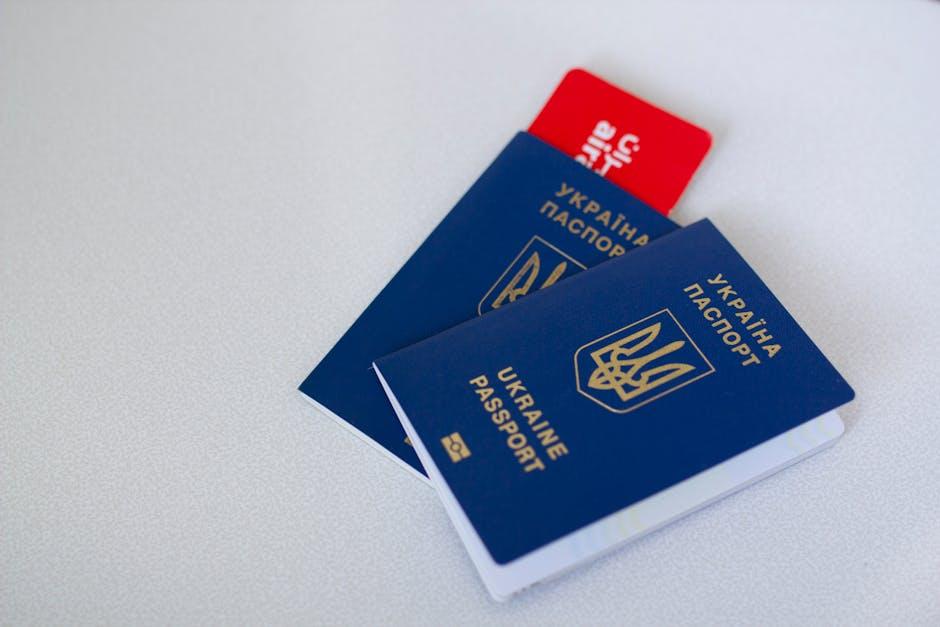
Navigating Legal Complexities in Joint Citizenship
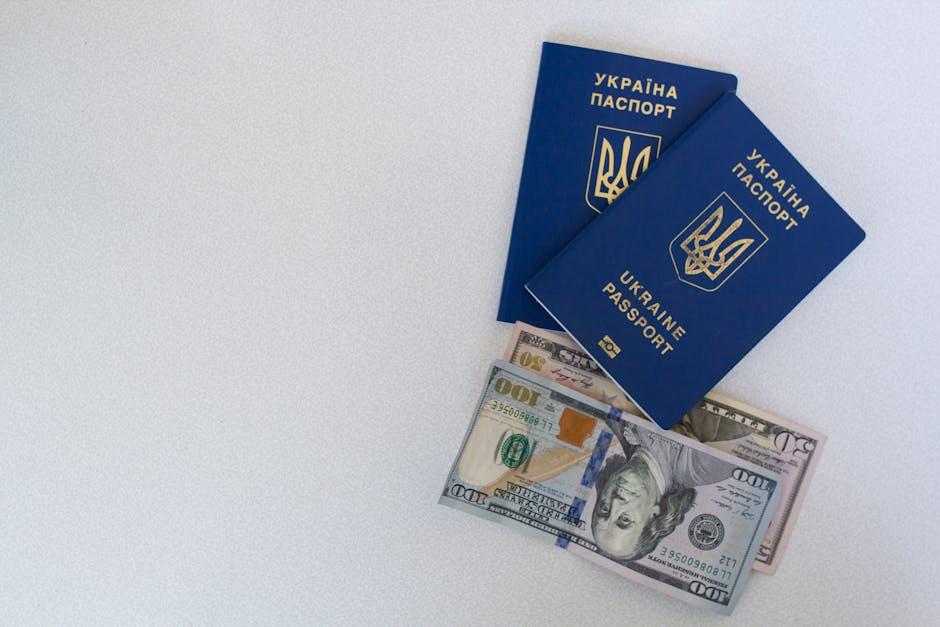
Embarking on dual citizenship involves more than just acquiring two passports; it’s a web of legal nuances that demand careful attention. Each country’s laws intersect differently, influencing rights, obligations, and even the continuity of citizenship status. For instance, some nations automatically revoke previous citizenship upon naturalization, while others encourage multiple allegiances. Understanding these distinctions is vital to avoid unintended consequences, such as unexpected tax liabilities or mandatory military service. Engaging with qualified legal counsel can illuminate these pathways and shine a light on potential pitfalls hidden in bilateral treaties or constitutional provisions.
An organized approach is key to managing administrative demands and ensuring compliance. Elements to consider include:
- Documentation requirements: Passport renewals, residency proofs, and identity verifications often have distinct timelines and regulations.
- Tax obligations: Dual citizens may need to file taxes in multiple jurisdictions, requiring savvy financial planning.
- Legal rights and protections: Rights to vote, work, and own property can vary drastically between countries.
| Country | Citizenship Policy | Key Consideration |
|---|---|---|
| Country A | Allows dual citizenship | Requires national service exemption applications |
| Country B | Prohibits dual citizenship | Renounces previous citizenship upon naturalization |
| Country C | Conditional dual citizenship | Must notify government of foreign nationality acquisition |
Balancing Rights and Responsibilities Across Borders
Achieving harmony in the world of joint citizenship requires a nuanced understanding of how rights and responsibilities intertwine across national lines. Citizens who hold multiple passports enjoy an array of privileges, such as the ability to live, work, and vote in more than one country. However, this privilege also ushers in a complex landscape where commitments to each nation must be honored. Balancing these dual or multiple affiliations demands awareness of laws, cultural expectations, and diplomatic sensitivities.
Consider these key areas where responsibilities often come into play for joint citizens:
- Tax obligations that might overlap or differ between countries
- Mandatory military service or civic duties
- Legal obligations including adhering to the laws of all countries of citizenship
- Participation in elections and respecting political processes
Fulfilling these responsibilities conscientiously helps maintain the delicate balance, ensuring the benefits of joint citizenship are not overshadowed by conflicts or misunderstandings.
| Right | Corresponding Responsibility |
|---|---|
| Right to vote | Stay informed and participate ethically |
| Access to healthcare | Support public health through lawful behavior |
| Travel freedom | Comply with immigration regulations |
Cultural Identity and the Dual Citizenship Experience
Grasping the nuances of holding citizenship in two countries often means embracing a unique cultural tapestry woven from diverse experiences and traditions. This duality allows individuals to celebrate the best of both worlds, blending languages, festivities, and values into a personal identity that transcends geographic borders. Yet, this rich cultural mosaic comes with its own set of challenges, including navigating different societal expectations and maintaining a sense of belonging. In this intersection of cultures, dual citizens become bridge-builders, fostering cross-cultural understanding and enriching their communities.
Key aspects of this intertwining identity include:
- Balancing traditions from each culture in daily life
- Facing complex emotional ties during times of political or social conflict
- Adapting to legal and social norms in both countries
- Utilizing broadened perspectives to innovate professionally and socially
| Aspect | Challenge | Opportunity |
|---|---|---|
| Language | Maintaining fluency in both languages | Enhanced communication skills |
| Traditions | Conflicting holiday observances | Richer celebrations and rituals |
| Legal Systems | Complex navigation of rights and responsibilities | Access to wider protections and benefits |
Practical Tips for Managing Dual Nationality Documentation
Keeping your dual nationality papers in order requires more than just filing them away. Organization is key — create a dedicated folder or digital archive specifically for citizenship documents to avoid misplacing important papers. Regularly review expiration dates on passports and identity cards to ensure timely renewals. Pro tip: Maintain a checklist that includes each country’s document requirements and deadlines, simplifying your admin tasks and preventing last-minute scrambles.
When it comes to official appointments or travel, having the right documents ready is crucial. Here’s a quick reference for managing dual nationality documentation effectively:
| Document Type | Recommended Action | Frequency |
|---|---|---|
| Passports (Both Countries) | Check validity and renew 6 months before expiration | Every 5-10 years |
| National ID Cards | Update address and personal details as needed | As changes occur |
| Citizenship Certificates | Keep certified copies in a safe place | One-time, keep long-term |
Also, be mindful of legal nuances like tax filings and conscription duties which may vary between nations. Partnering with legal experts or consular services to stay updated on changes ensures that your dual nationality remains a benefit, not a burden. Advanced preparation and knowing which documents are essential for specific scenarios will give you the confidence to navigate your joint citizenship smoothly.
Future Trends and Policy Considerations in Joint Citizenship
As the global landscape continues to evolve, joint citizenship is poised to become a cornerstone of international identity, blending cultural heritage with practical benefits. Governments and policymakers are increasingly tasked with balancing the rights and responsibilities of joint citizens, ensuring equitable treatment while addressing concerns related to national security and social integration. Future trends point towards more flexible frameworks that accommodate the growing number of people embracing multiple national affiliations, especially in a digital era where remote work and transnational ties redefine traditional notions of belonging.
- Enhanced digital identity verification to streamline citizenship validation processes
- Policy synchronization between nations to prevent conflicts in legal obligations
- Expanded social rights including healthcare, education, and voting in multiple countries
Policymakers must create adaptive, forward-thinking regulations that respond not just to demographic shifts but also to evolving geopolitical dynamics. The emphasis on inclusivity and seamless administrative cooperation will be critical, particularly when it comes to taxation, military service, and cross-border mobility. Below is an illustrative comparison showing potential policy considerations for different joint citizenship scenarios, emphasizing the balance between rights afforded and obligations required:
| Aspect | Dual Citizenship | Multiple Citizenship | Conditional Citizenship |
|---|---|---|---|
| Travel Freedom | High | Very High | Moderate |
| Tax Obligations | Dual Filing | Complex Filing | Selective Filing |
| Military Duty | Required | Varies | Waived or Required |
| Voting Rights | Full | Full | Restricted |
Closing Remarks
As we continue to explore the intricate pathways of joint citizenship, it becomes clear that this unique status is more than a legal designation—it is a bridge connecting identities, cultures, and opportunities. Navigating this journey requires awareness, adaptability, and a thoughtful approach to the responsibilities and privileges it entails. Whether viewed through the lens of personal heritage or global movement, joint citizenship today invites us to reconsider the meaning of belonging in an increasingly interconnected world. In embracing its complexities, we open the door to new possibilities and a richer understanding of what it means to call multiple places home.




