
In an increasingly interconnected world, the concept of citizenship has evolved beyond simple borders and single identities. Passports, once merely travel documents, now symbolize opportunity, freedom, and connection on a global scale. Navigating the world of passports reveals a unique advantage held by those with dual nationality—individuals who can seamlessly bridge cultures, economies, and legal systems. This article explores the multifaceted benefits of dual citizenship, shedding light on how it transforms the way people move, live, and engage with the world. Whether for travel ease, career prospects, or personal growth, understanding the dual nationality advantage offers a fresh perspective on the passport’s power in today’s global landscape.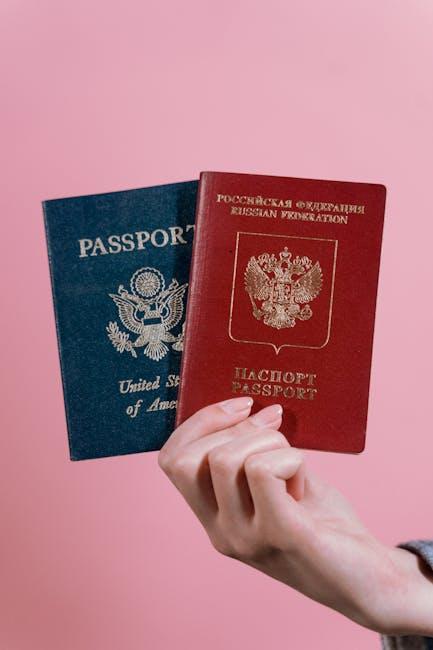
Understanding Dual Nationality and Its Passport Benefits
Holding citizenship in two countries opens the door to a realm of travel freedom and accessibility that single nationality cannot match. With dual nationality, individuals can enjoy the privilege of possessing two passports, each offering unique advantages depending on political relations, visa agreements, and regional access. This dual status often translates into faster border crossing, broader work opportunities, and less bureaucratic red tape when relocating or traveling internationally. The ability to choose which passport to use can also provide enhanced security during geopolitical tensions or travel restrictions.
Beyond travel, dual nationality comes with practical benefits that can influence your lifestyle significantly. Some of these include:
- Access to multiple social services: Healthcare and education advantages in two countries.
- Business and work flexibility: Easier job prospects without needing work permits.
- Investment and property ownership: Simplified legal processes for owning assets in both nations.
- Political rights: The possibility to vote in two different elections.
| Benefit | Impact |
|---|---|
| Visa-free travel | Access to over 150+ countries combined |
| Residency options | Live and work in either country without restrictions |
| Emergency support | Consular assistance from two embassies worldwide |

Exploring Legal Nuances and Citizenship Requirements
Holding dual nationality often means you must navigate a complex web of regulations that vary widely between countries. Each nation defines citizenship requirements based on factors such as birthright, naturalization, or even marriage. These legal nuances can impact your rights, responsibilities, and even your ability to hold multiple passports simultaneously. It’s essential to understand terms like jus soli (right of the soil) and jus sanguinis (right of blood), which underpin many citizenship laws worldwide.
Consider the following factors when evaluating dual citizenship’s legal landscape:
- Obligations: Military service and tax liabilities might apply in both countries.
- Travel Restrictions: Some countries restrict dual nationals from entering using foreign passports.
- Renunciation Policies: Certain countries require formal relinquishment of prior citizenship.
Below is a quick reference table summarizing citizenship requirements in select countries:
| Country | Citizenship by Birth | Allows Dual Citizenship | Naturalization Period |
|---|---|---|---|
| Canada | Yes (jus soli) | Yes | 3 years |
| Japan | No | No | 5 years |
| Brazil | Yes (jus soli) | Yes | 4 years |
| Germany | No (exceptions exist) | Limited | 8 years |
Maximizing Global Mobility Through Strategic Passport Choices
In today’s interconnected world, choosing the right passport can be a game-changer for frequent travelers and global professionals. Dual nationality often unlocks unparalleled freedom, offering access to a broader range of countries without the hassle of visa applications. Beyond convenience, strategic passport choices can also provide economic benefits such as reduced taxes or access to exclusive investment opportunities. By carefully selecting passports from countries with strong diplomatic ties and generous visa-free agreements, individuals can maximize their mobility and global reach.
When evaluating potential passports, consider factors like visa-free country counts, ease of renewal, and international reputation. Here are key criteria that empower passport holders in the global arena:
- Visa-Free Travel: Number of countries accessible without a visa or with visa-on-arrival.
- Consular Support: Strength and responsiveness of diplomatic services worldwide.
- Taxation Policies: Impact on global income and wealth management.
- Residency Flexibility: Ability to live and work in multiple jurisdictions.
| Passport | Visa-Free Countries | Key Advantages |
|---|---|---|
| Country A | 190+ | Strong global reputation, excellent consular support |
| Country B | 165+ | Tax benefits, easy residency options |
| Country C | 150+ | Fast renewal process, flexible citizenship laws |
Navigating Taxation and Diplomatic Protection Challenges
Holding dual nationality often brings unprecedented opportunities, but it also ushers in a complex web of taxation and diplomatic nuances. Tax obligations can fluctuate drastically depending on the countries involved, especially when both nations impose tax liabilities on global income. Understanding the interplay between different tax systems is vital. Double taxation agreements (DTAs) can offer relief, but they require careful navigation to avoid unforeseen financial burdens.
- Identify tax residency status in both countries
- Leverage tax credits and exemptions strategically
- Plan financial activities to optimize tax outcomes
Diplomatic protection presents another layer of complexity for dual nationals. When trouble arises abroad, the question of which country will offer consular assistance can become blurred. Dual citizens might find themselves in a unique position where a country is reluctant to intervene, citing the individual’s other nationality. Being proactive in understanding the diplomatic stance of each nation can be the difference between timely support and frustrating delays.
| Issue | Key Consideration | Dual Nationality Impact |
|---|---|---|
| Tax Residency | Where income is taxable | May owe taxes in both countries |
| Consular Support | Assistance abroad | Possible ambiguity in protection |
| Legal Jurisdiction | Applicable laws | Dual obligations and rights |
Practical Tips for Managing Multiple Passports Efficiently
Mastering the art of juggling multiple passports requires strategic organization and attentiveness. Start by designating a secure travel wallet or document organizer that keeps all your passports safe and easily accessible. Consider digital backups by scanning your passports and storing these files in encrypted cloud storage—this step is crucial for quick reference or emergency situations. Additionally, track the expiration dates with calendar reminders to avoid last-minute renewals. Remember, being proactive with visa requirements for each nationality can save you ample time at embassies or consulates.
Streamlining the use of multiple passports also involves understanding the nuances of international travel protocols. It’s advisable to use the most advantageous passport for entry and exit based on visa-free access or customs regulations. When completing travel forms or bookings, double-check which passport information aligns best with your destination. Below is a handy reference table to quickly assess travel benefits from two passport perspectives:
| Passport | Visa-Free Countries | Typical Processing Time | Common Travel Perks |
|---|---|---|---|
| Passport A | 150+ | 1-2 Weeks | Priority Boarding, Fast Track Visa |
| Passport B | 100+ | 2-3 Weeks | Extended Stay Options, Frequent Flyer Benefits |
- Label each passport with a color-coded tab for quick identification.
- Carry only the passports you need for the specific trip to reduce confusion.
- Maintain a travel log tracking how and when each passport was used.
- Stay updated on changing laws regarding dual citizenship and passport validity to avoid legal entanglements.
Wrapping Up
In the intricate tapestry of global identity, dual nationality stands out as a unique thread—offering both opportunities and challenges that shape the way we move, connect, and belong. Navigating the world of passports is more than a bureaucratic exercise; it’s an exploration of heritage, freedom, and possibility. Whether driven by personal roots or practical horizons, embracing a second nationality can open doors to new adventures and alliances. As borders evolve and the world becomes ever more interconnected, understanding the dual nationality advantage is not just about holding two passports—it’s about unlocking a broader perspective on what it means to call the world home.




