
In an increasingly interconnected world, the concept of citizenship is evolving beyond singular national identities. Triple citizenship — holding legal nationality in three countries simultaneously — opens doors to unparalleled opportunities, from diverse cultural experiences to expanded economic prospects. Yet, with these advantages come complex challenges: legal intricacies, conflicting obligations, and questions of loyalty that can make navigating multiple allegiances a delicate endeavor. This article explores the multifaceted landscape of triple citizenship, offering insight into its benefits while unraveling the global challenges faced by those who embrace this unique status.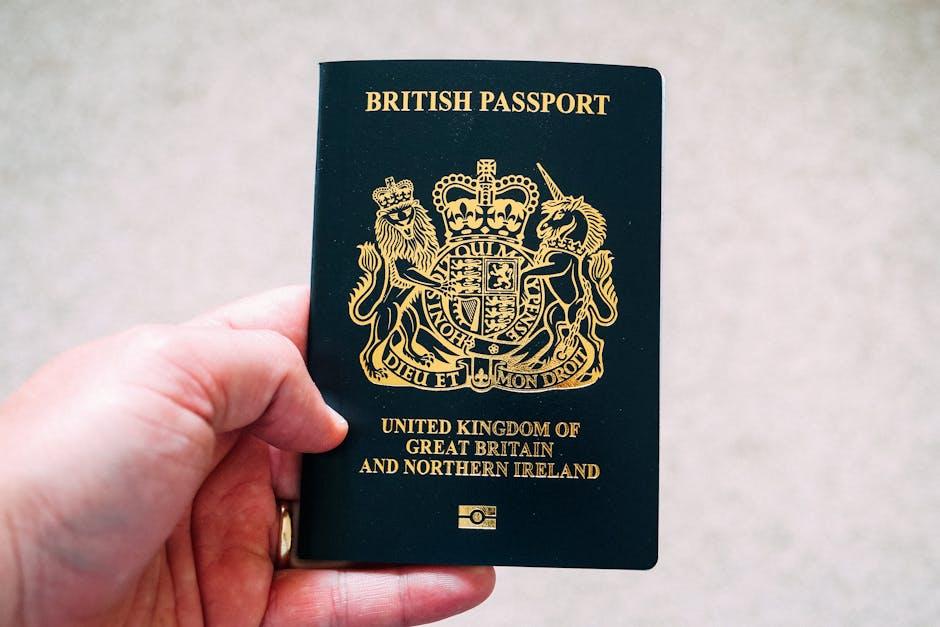
Understanding the Complex Legal Landscape of Triple Citizenship
Navigating the legal intricacies of holding citizenship in three countries is no small feat. Each nation has its own rules and regulations regarding dual or multiple citizenship, creating a maze of compliance issues for triple citizens. For instance, some countries may require mandatory military service regardless of other citizenships, while others prohibit dual allegiance altogether. This means that an individual must carefully understand and manage the differing legal obligations, from taxes to voting rights, that come with their unique status. Missteps here can lead to unexpected penalties or even loss of citizenship in one or more countries.
Adding to the complexity, diplomatic relations between the countries involved can greatly influence the rights and privileges of triple citizens. This includes:
- Travel restrictions: Not all passports offer equal access, potentially limiting freedom of movement.
- Legal conflicts: Differences in laws may cause jurisdictional challenges, especially in cases of criminal investigations or civil disputes.
- Inconsistent benefits: Social services, pensions, and healthcare entitlements often vary drastically between countries.
| Aspect | Country A | Country B | Country C |
|---|---|---|---|
| Military Service | Mandatory | Exempted for dual citizens | No requirement |
| Taxation | Worldwide income taxed | Only domestic income taxed | Double taxation treaty in place |
| Voting Rights | Civil and national elections | Local elections only | No voting rights for citizens abroad |
Understanding such discrepancies helps triple citizens better anticipate legal challenges and work towards seamless integration into a truly global lifestyle.
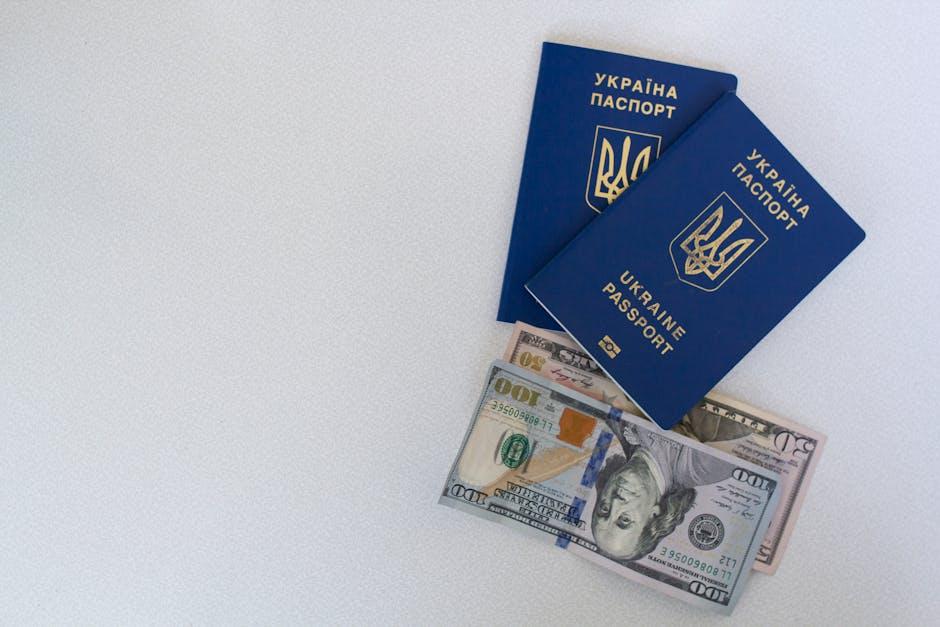
Balancing Opportunities and Obligations Across Borders
Juggling the privileges and duties that come with triple citizenship requires a nuanced approach, as individuals find themselves entwined in the legal and cultural threads of three nations. Each country might offer distinct advantages—such as access to diverse job markets, education systems, and social services—yet these benefits are accompanied by complex obligations like tax filings, military service, or legal compliance that vary significantly across borders. The delicate act of harmonizing these responsibilities demands careful planning and awareness, ensuring that opportunities are maximized without unintended consequences.
Key considerations for managing multiple citizenships include:
- Tax Responsibilities: Understanding how each country taxes global income can prevent costly penalties.
- Legal Commitments: Citizenship often entails abiding by local laws, which can differ considerably.
- Diplomatic Protection: Awareness of which country’s embassy will assist in international scenarios is vital.
- Residency Regulations: Maintaining legal residence status in multiple countries involves regular renewals and compliance.
| Country | Common Obligations | Typical Benefits |
|---|---|---|
| Country A | Income Tax, Jury Duty | Healthcare, Education |
| Country B | Military Service, Property Declaration | Employment Rights, Voting |
| Country C | Civic Fees, Passport Renewal | Travel Freedom, Social Security |
Economic and Social Benefits of Holding Triple Citizenship
Navigating Diplomatic and Security Challenges with Multiple Nationalities
Holding triple citizenship often places individuals at the crossroads of intricate diplomatic landscapes. Governments may impose conflicting obligations, such as mandatory military service or tax liabilities, which require strategic navigation to avoid legal complications. Additionally, consular assistance in emergencies can become complex, as the individual may not be entitled to protection from all states simultaneously. Understanding bilateral treaties and international agreements becomes essential to minimize these conflicts. Awareness and proactive planning empower multi-national citizens to handle situations where national interests clash.
From a security perspective, multiple nationalities may trigger heightened scrutiny by border control and intelligence agencies, especially in regions sensitive to geopolitical tensions. The overlapping allegiances can raise questions about loyalty and security clearances, impacting travel freedom and employment in certain sectors. The table below highlights some notable challenges and potential mitigation strategies:
| Issue | Challenge | Mitigation Strategy |
|---|---|---|
| Military Obligations | Conflicting conscription laws | Declare obligations early; seek legal advice |
| Consular Protection | Limited assistance in multinational crises | Register with multiple embassies |
| Travel Scrutiny | Enhanced border checks | Use the most favorable passport; prepare documentation |
| Security Clearance | Restricted access in sensitive jobs | Disclose citizenships during application |
Practical Strategies for Managing Triple Citizenship Effectively
Successfully managing multiple citizenships requires deliberate organization and awareness to avoid legal pitfalls. One essential tactic is to maintain clear and updated documentation for each nationality, including passports, citizenship certificates, and any relevant visas or permits. This helps ensure smooth border crossings and safeguards against unintentional violations of residency or tax laws. Additionally, staying informed about the rights and obligations tied to each country—from voting duties to military service requirements—can prevent unwanted surprises.
Creating a personal checklist is another practical measure, especially when juggling deadlines for tax filings, renewal of official documents, or reporting obligations in different jurisdictions. Here is a simple guide to help streamline your administrative tasks:
- Track expiration dates for passports and ID cards
- Calendar important deadlines related to taxes or government notifications
- Monitor travel restrictions and visa requirements carefully
- Consult legal and tax professionals versed in multi-national regulations
| Strategy | Benefit | Action Tip |
|---|---|---|
| Document Management | Reduces legal confusion | Use digital folders categorized by country |
| Deadline Tracking | Prevents penalties | Set automated reminders on your phone/calendar |
| Legal Consultation | Ensures compliance | Schedule biannual check-ups with experts |
Concluding Remarks
As the world becomes increasingly interconnected, the landscape of citizenship grows ever more complex, weaving together threads of identity, opportunity, and responsibility. Navigating triple citizenship is not merely a legal exercise but a journey that challenges individuals to balance diverse allegiances and untangle intricate regulations. While the benefits—ranging from expanded mobility to enriched cultural perspectives—are compelling, they come paired with unique global challenges that demand careful consideration. Ultimately, embracing the possibilities of triple citizenship calls for thoughtful navigation, informed choices, and a readiness to engage with the world on multiple fronts. In doing so, individuals can transform the complexities of multiple national ties into a tapestry of global citizenship that reflects the nuanced realities of our time.




