In a world where borders blur and identities intertwine, the concept of holding a single nationality no longer captures the full spectrum of global citizenship. Dual passports—symbols of multifaceted allegiance—have become increasingly prevalent, offering individuals the unique privilege and complex challenge of navigating two nations simultaneously. “Dual Passports Unveiled: Navigating Dual Nationality Rights” embarks on a journey through the intricate landscape of dual nationality, shedding light on the rights, responsibilities, and realities that come with straddling more than one homeland. Whether driven by heritage, opportunity, or circumstance, understanding the nuances behind dual passports is essential in today’s interconnected society.
Understanding Dual Nationality and Its Legal Landscape
In today’s globalized world, holding citizenship in two countries can open doors never before imagined, but it also introduces a labyrinth of legal nuances. Dual nationality allows individuals to exercise rights, responsibilities, and privileges in two different nations concurrently. However, these benefits come with distinct challenges regarding legal obligations, such as taxation, military service, and legal jurisdiction. Understanding the intricate web of laws that govern dual citizenship is essential to avoid conflicts that may arise from overlapping legal systems.
Key aspects to consider when navigating dual nationality include:
- Recognition of dual nationality: Not all countries permit holding multiple citizenships, impacting the legal standing of individuals.
- Rights and duties: From voting to conscription, one must be aware of obligations to both nations.
- Travel and documentation: Managing dual passports involves knowledge of visa requirements and border controls.
- Inheritance and property laws: Different legal frameworks can affect asset management across countries.
| Country | Dual Citizenship Status | Notable Legal Considerations |
|---|---|---|
| United States | Allowed | Tax obligations to both countries |
| Japan | Restricted | Must choose one citizenship by age 22 |
| Canada | Allowed | No requirement to relinquish other citizenships |
| India | Not Allowed | Overseas Citizenship available, but not dual citizenship |
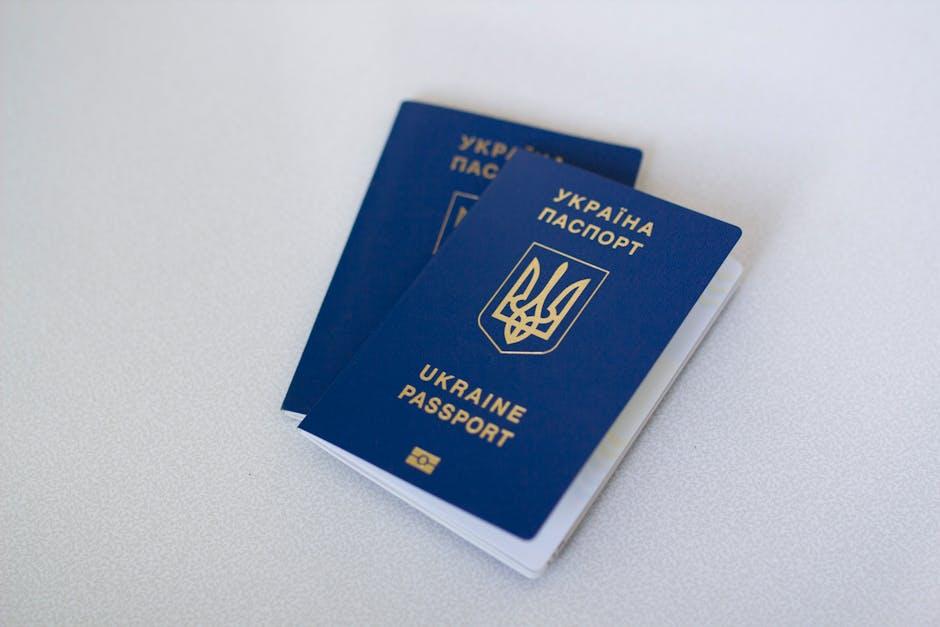
The Advantages and Challenges of Holding Dual Passports
Holding dual passports opens doors to a world of opportunities and conveniences that single nationality holders might envy. Travel freedom escalates dramatically, with reduced visa restrictions granting smoother access to diverse countries. This entitlement often translates to enhanced employment prospects, enabling individuals to work legally in both nations without struggling with cumbersome immigration formalities. Additionally, dual citizens can enjoy the benefits of social services or education systems from both countries, often tapping into better healthcare options or university placements. Financially, they might exploit tax treaties or property rights, crafting a broader, more flexible economic footprint across borders.
Yet, navigating this dual status is not without its complexities. The overlapping legal obligations can lead to tax compliance challenges or conflicting military duties, where serving one nation may clash with mandates of the other. Diplomatic protection might get murky, as each country may not fully recognize dual nationality in crisis situations abroad. Furthermore, bureaucratic hurdles abound; renewing IDs, maintaining passports, and understanding dual legal obligations require acute awareness and vigilant management. Below is a concise comparison of key pros and cons typically encountered by dual passport holders:
| Advantages | Challenges |
|---|---|
| Expanded travel access | Complex tax filings |
| Right to work in 2 countries | Potential dual military obligations |
| Eligibility for social benefits | Risk of conflicting legal duties |
| Access to multiple education systems | Renewal and documentation management |
Essential Steps for Securing Dual Citizenship
Embarking on the journey towards dual citizenship requires more than just paperwork—it demands strategic planning and a clear understanding of both countries’ legal frameworks. Start by researching eligibility criteria, as these vary widely and may include ancestry, residency, or marriage. Secure all essential documents early, such as birth certificates, passports, and proofs of residency. Engaging with consular services or immigration attorneys can significantly smooth the process, ensuring you avoid common pitfalls like incomplete applications or misunderstood residency rules.
Once you’ve gathered your documentation, it’s wise to prepare a checklist tailored to each nation’s specific requirements. Some countries may require language proficiency tests or criminal background checks, while others focus heavily on financial disclosures. Below is a quick overview to keep your process organized and efficient:
| Step | Common Requirement | Tip |
|---|---|---|
| 1. Eligibility Verification | Proof of descent/residency | Check dual citizenship policies carefully |
| 2. Documentation | Birth certificates, ID documents | Obtain certified translations if needed |
| 3. Application Submission | Complete forms & fees | Use tracked postal services for delivery |
| 4. Supplemental Requirements | Language tests, background checks | Prepare well in advance |
| 5. Follow-up & Interview | Consulate meeting or additional documents | Maintain timely and clear communication |
Navigating Travel and Tax Implications with Dual Nationality
Holding dual nationality opens doors to a fascinating world of travel opportunities, but it also introduces a layer of complexity in planning journeys. Each passport offers different visa-free access and privileges, making it crucial to strategize which document to use based on your destination. For example, entering certain countries might be simpler with one nationality, while others might require mandatory declarations or additional paperwork. Moreover, dual nationals must be aware of exit and entry regulations that can differ significantly, including potential questioning on the purpose of travel or length of stay.
When it comes to taxation, juggling fiscal responsibilities across two countries demands vigilance. Dual citizens often face the challenging task of understanding tax treaties, reporting income, and claiming credits to avoid double taxation. Governments may have strict reporting requirements regardless of residency status, so staying informed helps keep financial affairs in order. The table below outlines key tax considerations for dual nationals that can serve as a quick reference guide:
| Aspect | Considerations | Potential Actions |
|---|---|---|
| Worldwide Income | Must be reported in both countries | Claim foreign tax credits, consult a tax expert |
| Residency Status | Determines tax obligations | Verify residency tests, update accordingly |
| Tax Treaties | Defines relief from double taxation | Leverage treaty benefits, keep documentation |
Practical Tips for Maintaining Compliance and Maximizing Benefits
Successfully juggling dual citizenship requires a proactive approach to legal obligations and benefits. One effective strategy is to stay informed about the varying laws in each country of nationality, such as tax responsibilities, mandatory military service, and voting rights. Regular consultation with legal experts specialized in dual nationality can preempt potential complications. Additionally, maintaining organized documentation — including passports, national ID cards, and residency permits — ensures seamless travel and access to services without delays.
Maximizing the advantages of holding two passports means leveraging the unique opportunities each citizenship offers. Consider these practical steps:
- Optimize travel freedom by choosing the passport that offers visa-free or visa-on-arrival access to your destination.
- Explore economic benefits such as property ownership, business investments, or education discounts available to citizens.
- Stay current on political rights, like eligibility to vote or government programs accessible only to nationals.
- Understand health care entitlements in both countries to select the best coverage options.
| Aspect | Country A | Country B |
|---|---|---|
| Visa-free Travel | 150 Countries | 120 Countries |
| Tax Filing | Worldwide Income Tax | Residency-Based Tax |
| Military Service | Mandatory | Voluntary |
| Healthcare Access | Universal | Private/Public Mix |
Closing Remarks
In the complex mosaic of modern identity, dual passports stand as gateways to a world of opportunity, challenge, and belonging. As we’ve navigated the intricate landscape of dual nationality rights, it becomes clear that these documents are more than mere travel facilitators—they are symbols of multifaceted citizenship, bridging cultures and legal systems alike. Understanding the nuances behind dual nationality empowers individuals to make informed choices, embracing the benefits while respecting the responsibilities that come with holding two national identities. In an increasingly interconnected globe, dual passports reveal much about who we are—and who we can become.