
In a world that is increasingly interconnected, the concept of nationality has evolved beyond simple borders and singular allegiances. More than ever, individuals find themselves embracing dual nationality—a passport that tells two stories, opens doors to diverse opportunities, and sometimes, presents unexpected challenges. Navigating passport dual nationality is not just about holding two documents; it’s about understanding a complex web of rights, rules, and realities that shape identity, legal standing, and the very notion of belonging. This article will explore the multifaceted landscape of dual nationality, shedding light on the privileges it offers, the legal intricacies it entails, and the practical realities faced by those who live between two nations.
Understanding Dual Nationality Laws Across Different Countries
Dual nationality laws vary dramatically around the globe, creating a complex web of rights and obligations for those who hold more than one passport. Some countries embrace dual citizenship wholeheartedly, acknowledging the benefits of cultural exchange and expanded economic opportunities. Others impose stringent restrictions or even forbid the practice altogether, citing concerns over national loyalty or legal conflicts. For example, nations like Canada and Australia permit dual nationality without significant limitations, while countries such as Japan and China require citizens to renounce other citizenships after a certain age, illustrating the diverse legal landscapes one must navigate.
Understanding these differences is key for those considering or already possessing multiple citizenships. Issues range from mandatory military service obligations to tax liabilities, voting rights, and the ability to work or reside freely in multiple jurisdictions. The following table summarizes a few notable countries and their stance on dual nationality:
| Country | Dual Nationality Allowed? | Notes |
|---|---|---|
| Canada | Yes | Full acceptance with no restrictions |
| Germany | No, with exceptions | Generally requires renunciation, exceptions apply |
| United States | Yes | Allows but expects primary allegiance |
| Japan | No | Citizens must choose by age 22 |
| India | No | Only Overseas Citizen status available |
- Legal Recognition: The extent to which countries officially acknowledge dual citizenship affects travel freedom and legal protections.
- Military Duties: Dual nationals might face conscription or be exempt based on home country laws.
- Tax Implications: Some nations impose taxes on worldwide income, which can complicate financial planning.
Balancing Rights and Responsibilities of Dual Passport Holders
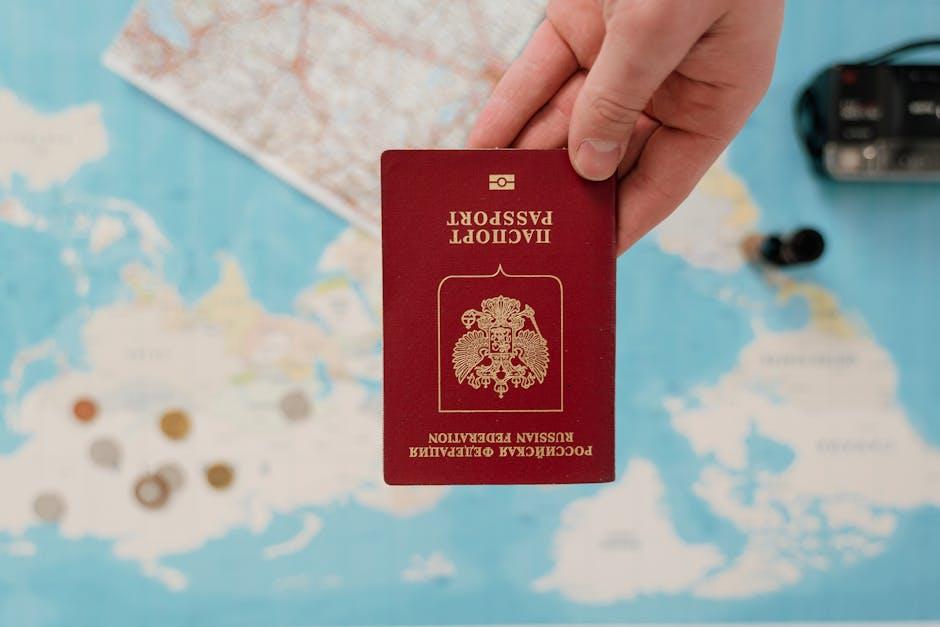
Possessing dual passports often feels like navigating a fascinating yet intricate dance between privilege and duty. While dual nationality offers expanded travel freedom and broader work opportunities, it also requires careful adherence to the laws of both countries involved. Each passport carries with it distinct responsibilities such as tax obligations, military service considerations, and local civic duties—which can sometimes conflict or overlap, leading to complex scenarios for travelers and residents alike.
To effectively manage these entwined rights and responsibilities, it’s essential to:
- Stay informed about each country’s legal requirements concerning dual citizenship.
- Maintain clear records of residency, taxes, and legal documents for both nations.
- Understand travel restrictions or visa requirements, even if you hold a passport.
- Seek regular legal advice to adapt to changing laws that affect your status.
| Rights | Responsibilities |
|---|---|
| Visa-free travel | Tax filing in both countries |
| Voting rights | Military or civil service |
| Access to social services | Compliance with local laws |
| Property ownership | Declaration of assets and income |
Challenges and Benefits of Holding Multiple Passports
Holding multiple passports opens doors to unparalleled freedom, yet it comes with its unique set of complexities. On the plus side, dual or multiple nationality can provide increased global mobility, access to diverse social services, and the ability to work or study across different countries without visa hassles. However, these advantages often come paired with challenges such as navigating conflicting legal obligations, tax liabilities, and the need to stay informed on each nation’s rules regarding military service, voting rights, and property ownership. Balancing these responsibilities requires a meticulous understanding of each country’s stance on dual citizenship, which can fluctuate with political climates.
While the benefits of enhanced security and expanded opportunities are compelling, one must also weigh the occasional diplomatic dilemmas. For example, in cases of legal disputes or political tensions, a dual passport holder might face citizenship-based restrictions or obligations. Below is a comparative snapshot of common advantages and obstacles faced by multiple passport holders:
| Benefits | Challenges |
|---|---|
| Visa-free international travel | Complex tax declarations |
| Access to two or more healthcare systems | Mandatory military or civil service |
| Right to own property in multiple countries | Conflicts in legal protection |
| Diverse educational and employment opportunities | Potential diplomatic tensions |
Practical Tips for Managing Dual Citizenship Documentation
Maintaining dual citizenship documents requires a strategic approach to avoid common pitfalls. Begin by organizing your paperwork into clearly labeled folders—both physical and digital. Include passports, birth certificates, naturalization papers, and any consular registrations. Keep copies secure in different locations to prevent loss due to theft or damage. Regularly check expiration dates on all documents to ensure timely renewals, as missing a deadline might lead to complicated legal challenges or travel restrictions.
When dealing with the bureaucracy of two nations, remember that rules and requirements often differ significantly. Create a checklist for each country that outlines renewal protocols, fees, and local office contacts. It’s also vital to keep abreast of law changes—some countries require dual citizens to notify authorities of their status or military service obligations. To clarify your documentation journey, the table below offers a quick comparison of crucial document timelines and renewal tips for typical dual citizenship paperwork:
| Document | Typical Validity | Renewal Advice |
|---|---|---|
| Passport | 5–10 years | Apply 6 months before expiration |
| Naturalization Certificate | Lifetime | Keep originals safe, get certified copies |
| Consular Registration | Varies | Update every 2-3 years or after moves abroad |
Navigating Legal and Travel Complexities with Dual Nationality
Holding dual nationality often places individuals at the intersection of multiple legal systems, each with its own set of expectations and obligations. Navigating these can be a delicate balancing act, especially when it comes to laws surrounding taxation, military service, and voting rights. For example, some countries impose mandatory military service that cannot be waived simply because of dual citizenship, while others offer exemptions based on residency status. It’s crucial to research and understand the specific legal requirements associated with each nationality to avoid inadvertent violations or penalties. Furthermore, dual nationals must be aware of how conflicting laws on issues like inheritance, property ownership, and family law can impact their rights and responsibilities across borders.
Travel complexities are another significant consideration for those with dual passports. While dual nationality can offer the convenience of choosing the most favorable passport for visa-free travel, it can also create complications at immigration checkpoints and in international travel protocols. Below is a simple breakdown of common travel situations and the typical best practices for dual nationals:
| Scenario | Recommended Action |
|---|---|
| Entering home country | Use that country’s passport for seamless entry |
| Traveling to a country requiring visa | Present passport with visa approval or easier visa access |
| Transiting through third countries | Use the passport with best transit agreements |
| Exiting a country where one is a citizen | Use that country’s passport to avoid exit restrictions |
By strategically leveraging both passports, travelers can minimize delays and maximize legal protections. Still, it’s important to stay updated on changing regulations as policies evolve, sometimes without much public notice. Consulting with legal experts or immigration authorities can provide additional clarity, ensuring that the privileges of dual nationality are fully realized without falling into unexpected pitfalls.
To Wrap It Up
In the ever-connected world we inhabit, navigating the intricate landscape of passport dual nationality requires more than just understanding paperwork—it demands awareness of the rights, rules, and real-world nuances that shape this unique identity. As borders become more fluid and personal stories more complex, holding dual nationality is both a privilege and a puzzle. By embracing the legal frameworks while acknowledging the lived realities, individuals can chart a course that honors their multifaceted heritage and global citizenship. Ultimately, dual nationality is not just a status on a document—it’s a bridge between worlds, inviting us to explore the rich tapestry of belonging in all its complexity.




