
In a world increasingly defined by movement and connection, the concept of identity has taken on new layers of complexity. Among the most intriguing facets of this evolution is multiple citizenship—a status that transcends borders, laws, and traditional notions of belonging. Navigating multiple citizenships is akin to walking a tightrope suspended between cultures, legal systems, and personal histories, each step requiring careful balance and thoughtful reflection. This article journeys into the multifaceted reality of holding diverse national identities, exploring how individuals reconcile competing loyalties, legal obligations, and cultural ties in an ever-shifting global landscape.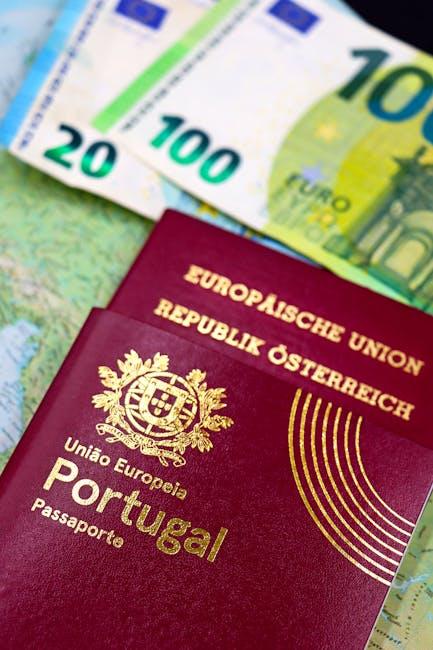
Understanding the Legal Frameworks Shaping Multiple Citizenship
The landscape of multiple citizenship is intricately woven with differing national laws, international agreements, and evolving political attitudes. While some countries embrace dual or multiple citizenship, allowing individuals to hold more than one nationality without penalty, others maintain a strict allegiance policy, requiring citizens to renounce previous ties. Understanding these frameworks requires navigating a patchwork of citizenship laws that address issues such as rights to work, vote, and access social services. It’s important to note that beyond the letter of the law, the practical application can vary, with some countries imposing subtle restrictions on dual citizens’ participation in sensitive government roles or military service.
Several key legal concepts shape this realm:
- Jus sanguinis (right of blood) – citizenship determined by parentage.
- Jus soli (right of soil) – citizenship granted by birthplace.
- Naturalization regulations – rules for acquiring nationality through residency or marriage.
- Renunciation and revocation policies – conditions under which citizenship can be surrendered or withdrawn.
These elements combine differently worldwide, creating an ever-changing mosaic. The table below highlights a brief comparison of citizenship approaches in select nations:
| Country | Allows Multiple Citizenship? | Key Restriction |
|---|---|---|
| Canada | Yes | Full rights maintained |
| China | No | Automatic loss on acquiring foreign citizenship |
| Germany | Restricted | Usually limited to EU countries or under special circumstances |
| Australia | Yes | Citizenship can be retained indefinitely |

Cultural Identity and the Emotional Landscape of Dual Allegiances
Balancing cultural identity under the umbrella of multiple citizenships often feels like a delicate dance between belonging and individuality. People living this dual or multiple narrative frequently describe their experiences as navigating two emotional landscapes simultaneously—each rich with its own memories, traditions, and societal expectations. This dual allegiance cultivates a unique lens through which one views the world, often enriching perspectives yet fostering internal dialogue about where one truly belongs. Embracing the fluidity of culture unlocks a powerful sense of adaptability and resilience, but it can also evoke feelings of division, prompting profound questions about loyalty, authenticity, and the core of personal identity.
- Emotion and connection: Each culture tugs at the heartstrings differently, creating an intertwined yet complex emotional map.
- Tradition and adaptation: Balancing inherited customs with the changes required by a new social context shapes behavior and self-expression.
- Community and solitude: Dual allegiances can evoke joy in shared festivities and quiet moments of pondering one’s place in either world.
| Aspect | Experience | Emotional Impact |
|---|---|---|
| Language | Seamless code-switching | Empowerment & occasionally alienation |
| Family ties | Celebrations with different customs | Belonging & nostalgic longing |
| Social norms | Negotiation of contrasting values | Adaptability & inner conflict |
Navigating Practical Challenges in Travel and Documentation
Juggling multiple passports is no small feat; the practicalities often challenge even seasoned globetrotters. When crossing borders, travelers must be acutely aware of which identity to present, a decision influenced by visa requirements, diplomatic relations, and local customs. For instance, some nations may restrict entry based on previous travel history linked to another citizenship. This complexity demands meticulous planning, especially when coordinating flights, visas, or residency documents. Moreover, carrying multiple travel documents requires vigilant management—misplaced passports or inconsistent stamp records can trigger suspicions or delays at immigration checkpoints.
Beyond airport formalities, documentation for everyday life also becomes a puzzle. Holding various citizenships means managing diverse bureaucracies—tax filings, social security, and even the right to work or study. Here are key practical challenges to anticipate:
- Conflicting legal obligations, such as double taxation or military service
- Complex visa coordination for family members without shared citizenship
- Renewal schedules and document expiration syncing issues
- Navigating the digital identity landscape where systems may not recognize multiple statuses
| Challenge | Impact | Suggested Strategy |
|---|---|---|
| Passport Choice at Entry | Denied boarding or entry delays | Research destination policies in advance |
| Tax Compliance | Risk of penalties or double taxation | Consult tax professionals familiar with dual citizenship |
| Legal Conflicts | Unexpected obligations like military service | Stay updated on each country’s regulations |
Economic Opportunities and Tax Implications of Holding Multiple Passports
Owning multiple passports can serve as a gateway to diverse economic opportunities. It allows individuals to access various job markets, invest in different countries, and leverage benefits such as lower tuition fees or business incentives. For entrepreneurs and freelancers, this flexibility often translates into a wider clientele and operational ease when traveling for business. Additionally, multiple citizenships can enhance access to social services and retirement benefits across nations, turning global mobility into a powerful asset for wealth accumulation and lifestyle enhancement.
Yet, with these advantages come intricate tax implications. Different countries apply varying tax rules for their citizens, especially regarding global income reporting. Many dual or multiple citizens find themselves navigating a labyrinth of tax treaties, residency requirements, and reporting obligations. It’s crucial to understand that some nations tax based on citizenship, not residency, potentially leading to double taxation. Consulting with tax professionals who specialize in international tax law is indispensable. Below is a simplified comparison of tax residency and citizenship taxes for popular passport holders:
| Country | Tax Residency Basis | Citizenship Taxation | Notable Tax Treaty Approach |
|---|---|---|---|
| USA | Residency & Presence | Yes (Global income) | Extensive double taxation treaties |
| Canada | Residency | No | Tax treaties to avoid double taxation |
| Germany | Residency | No | Tax treaties & agreements |
| Japan | Residency | No | Tax treaties for foreigners |
For those strategically managing the benefits and responsibilities of multiple citizenships, understanding tax nuances is just as important as enjoying economic freedoms. Proactive planning turns what may seem a bureaucratic maze into a compass guiding toward global financial advantage.
Strategic Recommendations for Managing Complex Citizenship Statuses
When navigating the labyrinth of multiple citizenships, a proactive approach grounded in clarity and compliance is indispensable. Start by maintaining an up-to-date record of all relevant documentation—passports, residency permits, and legal statuses—in a secure yet accessible place. Conflicts between differing national laws can create unexpected hurdles; therefore, seeking expert advice from immigration lawyers familiar with the interplay between your countries of citizenship can prevent costly missteps. Prioritize understanding the distinct tax obligations tied to each status, as overlooking these can lead to penalties that ripple across borders.
Practical steps to manage complex citizenship situations effectively include:
- Regularly reviewing changes in citizenship laws and bilateral treaties.
- Utilizing digital tools to track visa expirations and tax filing deadlines.
- Engaging with expatriate networks to share insights and resources.
- Developing a contingency plan for geopolitical shifts affecting citizenship rights.
| Challenge | Recommended Strategy | Key Benefit |
|---|---|---|
| Dual Taxation | Claim tax treaties and seek bilateral tax consultation | Avoid financial penalties and double payments |
| Conflicting Military Service Laws | Secure official exemptions or deferments with documentation | Maintain compliance while preserving personal plans |
| Passport Validity Coordination | Synchronize renewals and emergency travel arrangements | Optimize travel freedom without interruptions |
To Conclude
In the intricate tapestry of our globalized era, multiple citizenships weave threads of opportunity, challenge, and identity into the fabric of countless lives. Navigating these overlapping worlds demands more than legal know-how—it calls for a nuanced understanding of the personal and political landscapes that shape who we are. As borders blend and allegiances intertwine, embracing the complexity of multiple citizenship invites us to rethink the very notion of belonging, reminding us that identity, like the world itself, is seldom one-dimensional but richly multifaceted.




