
In an increasingly interconnected world, the concept of identity has taken on new dimensions—none more complex than dual national citizenship. Straddling the borders of two nations offers a unique blend of opportunities and challenges, weaving together distinct legal rights, cultural ties, and civic responsibilities. Yet, the realities of holding dual nationality are often as nuanced as the treaties and laws that govern them. This article sets out to unravel the intricacies of navigating dual national citizenship, shedding light on what it truly means to belong to two countries at once—exploring both the privileges it confers and the practical considerations it demands.
Understanding Dual National Citizenship and Its Global Impact
Dual national citizenship presents a fascinating dynamic where an individual holds legal allegiance to two countries simultaneously. This unique status grants a blend of rights and responsibilities, often including the ability to vote, work, and reside freely in both nations. However, it also introduces complex layers of legal obligations, such as tax duties or mandatory military service, which can vary widely between countries. Navigating these nuances requires a comprehensive understanding of each nation’s policies and how they intersect, making dual citizenship both an opportunity and a challenge for global citizens.
Globally, dual citizenship influences everything from diplomatic relations to cultural integration. It fosters greater mobility and economic opportunity but can also raise questions about identity and loyalty. Here are some key aspects shaped by dual citizenship:
- Economic Impact: Enables access to diverse job markets and investment opportunities.
- Cultural Exchange: Enhances multicultural understanding and global awareness.
- Legal Challenges: Potential conflicts in laws, such as inheritance rights or conflict of military obligations.
- Political Influence: Dual citizens may participate in elections or public life in more than one country.
| Aspect | Benefit | Challenge |
|---|---|---|
| Travel | Visa-free access to more countries | Complicated border controls |
| Taxes | Right to work and earn in two countries | Double taxation risks |
| Civic Duty | Engagement in diverse political processes | Conflicting obligations |
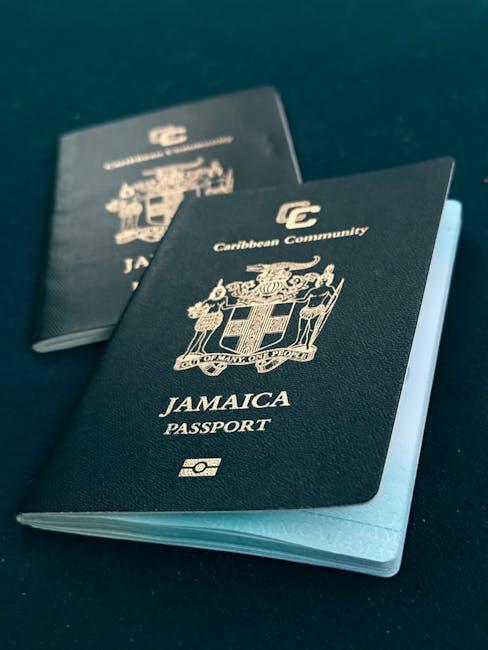
Legal Rights and Obligations of Dual Citizens Across Different Countries
Holding citizenship in two countries often means navigating a complex web of legal rights and obligations that vary widely depending on the nations involved. Dual citizens may enjoy the privilege of voting in local elections of both countries, access to public education, healthcare benefits, and work opportunities without needing special permits. However, these rights come with responsibilities such as paying taxes, obeying national laws, and sometimes even compulsory military service. Due to this diversity, understanding each country’s stance on dual nationality is essential to fully harness the potential benefits without inadvertently breaching legal requirements.
Below is a simplified comparison illustrating different legal responsibilities and perks commonly associated with dual citizenship status across a few countries:
| Country | Voting Rights | Military Service | Taxation | Passport Use |
|---|---|---|---|---|
| United States | Yes | Selective Service Registration Required (males 18-25) | Global Income Taxation | Use U.S. Passport for entry to the U.S. |
| Canada | Yes | No compulsory military service | Tax on worldwide income, with certain credits | Dual passports accepted |
| Germany | Yes | Compulsory for males (under certain conditions) | Taxed on residency basis | Typically requires declaration if holding multiple passports |
| Japan | Yes | Compulsory for males (up to age 26) | Taxed on worldwide income | Strict restrictions on dual passport use |
Challenges in Maintaining Dual Citizenship and How to Overcome Them
Holding dual citizenship introduces a unique set of hurdles that can complicate legal and personal matters. One of the most common challenges is tax compliance, as dual citizens must navigate the tax obligations of both countries. This can lead to double taxation or require complex filings that often demand professional assistance. Additionally, differing legal systems can create conflicts, particularly relating to military service, property ownership, or inheritance laws, making it essential to stay well-informed about each nation’s specific regulations.
To effectively manage these complexities, adopting a proactive approach is crucial. Key strategies include:
- Regular consultation with legal and tax experts specializing in international affairs to ensure compliance and optimization.
- Keeping meticulous records of all citizenship-related documents, including passports, visas, and tax filings.
- Staying updated with each country’s legislative changes that could impact dual citizenship status or rights.
- Establishing clear communication with consulates to receive timely guidance and support.
| Challenge | Impact | Overcoming Strategy |
|---|---|---|
| Tax Obligations | Double taxation risks, costly filings | Hire international tax advisors |
| Legal Conflicts | Contradictory rules, limited rights | Research laws, seek legal counsel |
| Document Management | Loss or expiration of passports | Organize records, renew early |
| Diplomatic Support | Delayed assistance in emergencies | Maintain consulate contact details |
Practical Tips for Managing Taxation and Civic Duties Effectively
Successfully managing taxation and civic responsibilities when holding dual citizenship requires a proactive approach. Start by thoroughly understanding the tax obligations in each country, as some nations tax worldwide income, while others tax only local earnings. To avoid penalties and optimize your tax situation, keep detailed records of your income, expenses, and tax filings from both countries. Additionally, seek advice from tax professionals familiar with international law or dual taxation treaties to navigate complex scenarios such as income reporting, tax credits, or exemptions.
On the civic front, staying environmentally and politically engaged can be both fulfilling and legally necessary. It’s essential to be aware of voting rights and registration requirements in each country — some permit absentee voting, while others might require in-person participation. Moreover, regular review of residency status and documentation ensures compliance with legal obligations like national service or renewal of identity documents. Use this concise table as a quick reference for balancing these duties effectively:
| Area | Key Action | Tip |
|---|---|---|
| Taxation | Maintain income records | Use professional tax advice |
| Civic Duties | Register for voting | Check absentee ballot options |
| Legal Compliance | Update residency status | Renew documentation timely |
Strategic Advice for Safeguarding Dual Citizenship Benefits and Resolving Conflicts
Maximizing the advantages of dual citizenship requires proactive planning and a clear understanding of your rights and responsibilities. One key strategy is to maintain organized documentation for both countries, including passports, tax records, and legal papers, to avoid bureaucratic complications. Regularly reviewing bilateral treaties and immigration policies can also help you anticipate and adapt to changes that might impact your status. When faced with potential conflicts, such as military obligations or tax liabilities, seeking tailored legal advice ensures you can neutralize risks without compromising your freedoms.
Practical safeguards involve staying informed and transparent. Consider the following measures:
- Declare dual nationality where required, to ensure legal clarity.
- Align your financial reporting to comply with both nations’ tax laws.
- Stay abreast of citizenship laws to avoid inadvertent loss of status.
- Engage with consulates for guidance and support in dispute resolution.
| Common Conflict | Strategic Response |
|---|---|
| Dual Taxation | Utilize tax treaties and professional accounting advice |
| Military Service | Request deferments or exemptions via embassy channels |
| Passport Validity | Keep both valid, renew promptly |
| Travel Restrictions | Use the passport of the country you’re entering |
Final Thoughts
In the intricate dance of dual nationality, understanding the rights and realities is the compass that guides one’s journey. As borders blur and identities intertwine, embracing the privileges and navigating the complexities becomes a personal expedition—a blend of opportunity and responsibility. Whether born into dual citizenship or choosing it later in life, knowledge empowers individuals to make informed decisions and appreciate the unique place they hold in a global tapestry. Ultimately, navigating dual citizenship is not just about legal status; it’s about finding harmony between worlds and crafting a story that belongs to more than one land.




