
In a world more connected than ever before, the concept of citizenship has evolved beyond simple borders and singular allegiances. Today, an increasing number of individuals find themselves holding not just one, but two—or even three—passports, weaving intricate ties between diverse nations. Navigating the complex world of triple citizenship is a journey filled with unique opportunities and unforeseen challenges, demanding a careful balance between identity, legalities, and loyalties. This article delves into the multifaceted reality of triple citizenship in the modern era, exploring what it means to belong to multiple countries simultaneously and how to manage the responsibilities and freedoms that come with such layered national ties.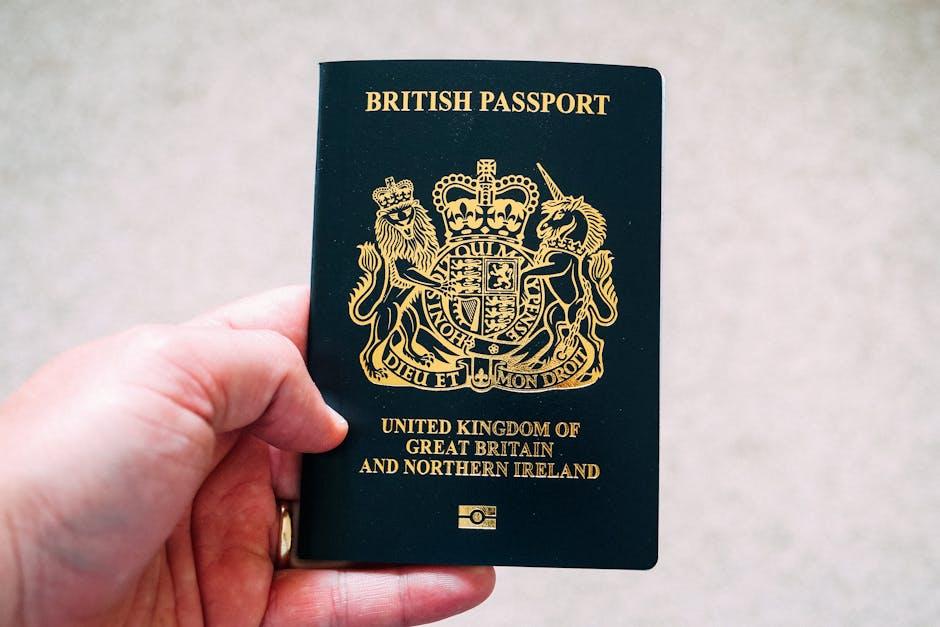
Understanding the Legal Landscape of Triple Citizenship
Exploring multiple citizenships requires more than just understanding the benefits; it demands a deep dive into international legal frameworks. Laws regarding triple citizenship vary tremendously from country to country, influenced by historical treaties, national security concerns, and immigration policies. For instance, while some nations embrace dual or even triple citizenship without restrictions, others impose stringent conditions or outright prohibit multiple nationalities. This legal tapestry can lead to unexpected challenges, like mandatory military service, tax obligations, or even loss of citizenship rights depending on one’s personal and ancestral connections.
Key legal factors to consider include:
- Recognition of multiple citizenships by each involved country
- Potential conflicts in legal responsibilities, such as taxation and travel restrictions
- The impact of citizenship on property ownership and inheritance laws
- Special permissions or declarations required to maintain triple citizenship
| Country | Triple Citizenship Allowed? | Notable Restrictions |
|---|---|---|
| Canada | Yes | None, broadly permissive |
| Germany | Conditional | Strict, mostly prohibits except EU citizens |
| India | No | Does not permit dual or triple citizenship |
| France | Yes | Permissive, but with tax complexities |

Balancing Rights and Responsibilities Across Three Nations
Holding citizenship in three different nations offers a unique position, where one enjoys a diverse blend of cultural identity and legal privileges. However, this advantage comes paired with a delicate dance of balancing rights such as voting, social welfare, and property ownership while simultaneously meeting varied responsibilities including taxation, civic duties, and legal compliance. Each country enforces its own set of rules, making it essential for triple citizens to remain vigilant and informed to avoid conflicts of interest or legal complications. This balancing act requires an astute understanding of how different legal systems intersect and sometimes diverge.
Consider the following core areas that often demand attention:
- Tax obligations: Determining where and how to file taxes can become complex, particularly when income sources are transnational.
- Military service: Some nations require mandatory conscription, which may lead to conflicting duties.
- Travel restrictions and passport use: Knowing which passport to use in different contexts can impact ease of movement and legal protection.
| Nation | Key Responsibility | Typical Right |
|---|---|---|
| Nation A | Income Tax Filing | Social Welfare Access |
| Nation B | Jury Duty | Voting in Local Elections |
| Nation C | Mandatory Conscription | Free Healthcare |
Cultural Identity and Personal Implications of Multi-National Status
Carrying multiple national identities often presents a fascinating yet intricate mosaic of cultural allegiance and personal values. Individuals with triple citizenship frequently explore a unique interplay between traditions, languages, and social norms that can both enrich their worldview and challenge their sense of belonging. This blend can foster greater empathy and adaptability, allowing one to navigate diverse cultural settings with ease. However, it might also spark inner conflicts or feelings of divided loyalty, especially during political tensions or when personal ethics diverge from national expectations.
Practical everyday scenarios illustrate how multi-national status shapes identity on a personal level. Consider the nuanced choices regarding language use, holiday celebrations, or even career and educational opportunities. People in this position often develop multifaceted identities, embodying:
- Multiple cultural narratives that influence worldview and interpersonal communication,
- Adaptability in diverse social environments with a rich appreciation for cross-cultural nuances,
- and sometimes complex emotional ties to more than one home.
| Aspect | Positive Effect | Potential Challenge |
|---|---|---|
| Cultural Expression | Rich, diverse traditions | Struggle to prioritize identity |
| Legal Rights | Broadened mobility | Conflicting legal obligations |
| Social Networks | Access to diverse communities | Occasional social isolation |
Practical Strategies for Managing Taxes and Obligations
Successfully handling your tax responsibilities across three countries demands a clear, organized approach. Begin by mapping out your tax residency status in each nation and understanding how it affects your global income reporting. Many countries tax on a residency basis, but the rules can vary significantly. To avoid double taxation, leverage existing bilateral tax treaties and familiarize yourself with foreign tax credits or exemptions available to you. Staying proactive with deadlines and maintaining precise financial records segmented by country is crucial to sidestepping penalties or surprises.
Practical tools and strategies can simplify this complex landscape. Consider adopting the following best practices:
- Hire cross-border tax professionals who specialize in multi-jurisdictional cases, ensuring compliance and optimized tax planning.
- Utilize accounting software capable of handling multiple currencies and varied tax rules.
- Regularly review your filing requirements as they can evolve with changes in citizenship status or government legislation.
| Country | Tax Residency Criteria | Common Tax Obligation |
|---|---|---|
| Country A | Physical presence >183 days | Worldwide income reporting |
| Country B | Permanent home & center of vital interests | Tax on local income only |
| Country C | Citizenship-based taxation | Annual foreign asset disclosure |
Navigating Travel Challenges and Diplomatic Considerations
Traveling with triple citizenship can be a passport buffet, but it’s not without its labyrinthine challenges. Each nationality brings its own set of visa requirements, entry regulations, and exit rules that must be managed meticulously. For instance, some countries may not recognize dual or multiple citizenships, leading to conflicting obligations such as mandatory military service or taxation. Travelers often find themselves navigating a matrix of restrictions, where their rights in one country might be overshadowed by obligations in another. This complex scenario demands a proactive approach: researching current diplomatic relations, understanding the practical impact of travel bans, and preparing contingency plans for possible delays or denials at borders.
Diplomacy plays a silent but pivotal role in the life of a triple citizen. Governments sometimes engage in bilateral or multilateral agreements that can ease travel burdens, yet these understandings can shift abruptly with political climates. Consider the diplomatic nuances:
- Consular Assistance: Knowing which embassy to contact in emergencies, especially if one citizenship is less recognized abroad.
- Conflicting Laws: Balancing legal expectations around allegiance and conduct can require expert counsel.
- Travel Documentation: Deciding which passport to use at immigration checkpoints could influence one’s ease of access or perception.
Understanding these subtleties amplifies the importance of staying informed and adaptable, which is crucial for anyone seeking to transform the complexity of triple citizenship into an empowering global advantage.
The Way Forward
In a world that grows ever more interconnected, the concept of triple citizenship stands as both a symbol of global fluidity and a tapestry of intricate challenges. Navigating this complex terrain requires not only a grasp of legal frameworks but also a thoughtful appreciation of the cultural and personal dimensions at play. As borders blur and identities intertwine, triple citizens embody the evolving story of belonging in the 21st century — a story still being written with each new chapter of migration, policy, and personal choice. Understanding this multifaceted journey is the first step toward embracing the possibilities and complexities that triple citizenship brings.




