
In an increasingly interconnected world, the concept of identity is evolving beyond borders and passports. The phenomenon of holding two citizenships—often seen as a bridge between cultures—invites us to explore the intricate tapestry of legal rights, personal belonging, and global mobility. “Double Identity: Exploring the World of Two Citizenship” delves into the nuanced realities of navigating dual nationality, uncovering how this modern-day crossroads shapes individuals, influences nations, and redefines what it means to belong. Whether a passport-holder or a curious observer, this journey into dual citizenship offers a fresh perspective on the fluid nature of identity in the 21st century.
Understanding Dual Citizenship Benefits and Challenges
Holding citizenship in two countries opens a tapestry of opportunities that can enrich both personal and professional life. Access to diverse social services and healthcare systems, coupled with the ability to work and reside freely across borders, creates incredible freedom. Dual citizenship also offers a unique cultural duality, allowing a person to embrace traditions, languages, and networks from both homelands. For families, it brings practical benefits such as simplified international travel and educational access, often accompanied by reduced visa requirements and fewer bureaucratic hurdles.
However, navigating the complexities of dual nationality comes with its own set of challenges. Issues like tax obligations in multiple countries, potential legal conflicts, and civic duties—such as mandatory military service—can create unexpected difficulties. Maintaining dual citizenship demands careful awareness of both nations’ laws to avoid pitfalls like inadvertent loss of nationality or complicated inheritance rules. Understanding these dynamics is essential, and weighing them against the freedoms offered helps individuals make informed, deliberate decisions.
- Benefits: Expanded travel freedom, cultural enrichment, employment opportunities
- Challenges: Tax complexities, legal duality, civic responsibilities
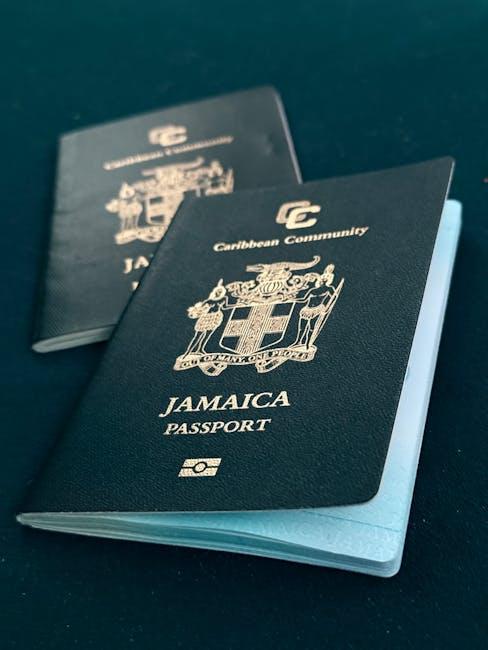
Legal Complexities and How to Navigate Them
Holding two citizenships may seem like a golden ticket, but it often ushers in a labyrinth of legal intricacies. From differing tax obligations to conflicting national duties, individuals must tread carefully to avoid inadvertent violations. Countries may have diverse stances on military service, property ownership, or even voting rights. Understanding these discrepancies is crucial to leveraging the benefits of dual citizenship without becoming entangled in bureaucratic red tape.
To master this delicate balancing act, consider the following key strategies:
- Stay informed about your obligations in both countries, especially regarding taxes and mandatory services.
- Consult specialized legal experts who can navigate the nuances of dual citizenship laws in each jurisdiction.
- Maintain transparent records and documentation to clearly prove your status and compliance.
- Monitor policy changes as citizenship laws can evolve, impacting your rights and responsibilities.
| Legal Aspect | Potential Challenge | Practical Tip |
|---|---|---|
| Taxation | Double taxation risk | Check tax treaties between countries |
| Military Service | Mandatory enlistment conflict | Seek exemptions or deferments |
| Travel Restrictions | Visa complications | Use the passport matching your destination |
Cultural Connections and Identity Balance
Living between two cultures often fosters a richly woven identity that transcends geographical borders. Individuals with dual citizenship embrace a dynamic tapestry of traditions, values, and social norms from both nations. This intersection offers a unique lens through which to view the world, blending language nuances, celebrations, and daily rituals into a seamless, yet complex, personal narrative. The dance between two cultural realms not only deepens empathy but also cultivates an adaptable mindset that is valuable in an increasingly globalized society.
Balancing these identities is not without its challenges. It requires continuous navigation of sometimes contrasting expectations, where belonging to two communities means negotiating a space that honors both. Factors such as:
- Family traditions and expectations
- Social etiquette differences
- Legal and civic responsibilities
can shape the everyday experience of dual citizens. However, it also offers a powerful opportunity to create a hybrid identity that draws strength from diversity, fostering a sense of belonging that is both multifaceted and deeply personal.
Tax Implications and Financial Planning Strategies
Balancing the financial responsibilities of two citizenships requires careful navigation of complex tax laws. Dual citizens may face obligations to file tax returns in both countries, depending on each nation’s tax residency rules and treaty agreements. To optimize tax efficiency, consider leveraging:
- Foreign tax credits to avoid double taxation;
- Tax treaties that outline which country has the primary taxing rights;
- Expatriate tax exclusions if applicable;
- Professional tax advisory services with expertise in cross-border taxation.
Strategic financial planning becomes essential to safeguard wealth and comply with international fiscal regulations. Incorporating proactive steps such as creating a diversified portfolio across different economic zones and understanding retirement benefit entitlements can provide robust financial security. The table below illustrates a simple comparison of typical tax considerations for two hypothetical countries:
| Tax Element | Country A | Country B |
|---|---|---|
| Income Tax Rate | 25% | 20% |
| Capital Gains Tax | 15% | 10% |
| Tax Deadline | April 15 | June 30 |
| Tax Treaties | Yes | Yes |
Practical Tips for Managing Two Passports Seamlessly
Effortless management of dual passports starts with organization. Keep both documents in a dedicated travel wallet or digital organizer that allows you to access them quickly during border checks. Being aware of the visa requirements and expiration dates for each passport ensures smooth travel planning—no missed flights or unexpected legal hiccups. Consider using travel apps that can store passport information securely, allowing instant retrieval whenever needed.
Communication with immigration officials is another key to seamless handling of dual citizenship. Always disclose dual nationality when required and understand the specific entry and exit rules that might apply to each country. Here’s a quick reference to streamline your approach:
| Action | Best Practice | Why It Matters |
|---|---|---|
| Declare dual citizenship | Always be transparent at immigration | Avoid legal confusion and fines |
| Use passport relevant to destination | Carry both, but show the correct one | Ensures smooth entry and exit processing |
| Keep digital and physical copies | Backup important travel data securely | Quick recovery if documents lost |
- Maintain a checklist before every trip to confirm visas and passports are up to date.
- Stay informed about bilateral agreements that may simplify or complicate your travel.
- Consult experts on legal matters, such as taxation or residency rules linked to your dual status.
The Conclusion
In a world that increasingly blurs borders and redefines belonging, the phenomenon of dual citizenship stands as a testament to our complex identities. It challenges traditional notions of nationality, offering both opportunities and dilemmas for those who navigate its intricate paths. Whether embraced as a bridge between cultures or scrutinized for its legal ambiguities, the world of two citizenship invites us to rethink what it means to call a place home. As global connections deepen, the story of dual identity continues to unfold—reflecting not just the policies that shape it, but the human experiences that give it life.




