
In an increasingly interconnected world, the lines that separate countries can feel both invisible and impenetrable. Behind every cross-border journey lies a complex web of paperwork—documents that are often seen as mere formalities, yet hold the power to unlock new opportunities, reshape lives, and redefine identities. “Unlocking Borders: A Guide to Immigration Documents” delves into this intricate realm, unraveling the essential paperwork that forms the backbone of international movement. Whether you’re embarking on a new chapter abroad, seeking clarity in a maze of regulations, or simply curious about the keys that open the doors to global mobility, this guide offers a clear, thoughtful exploration of the documents that make crossing borders possible.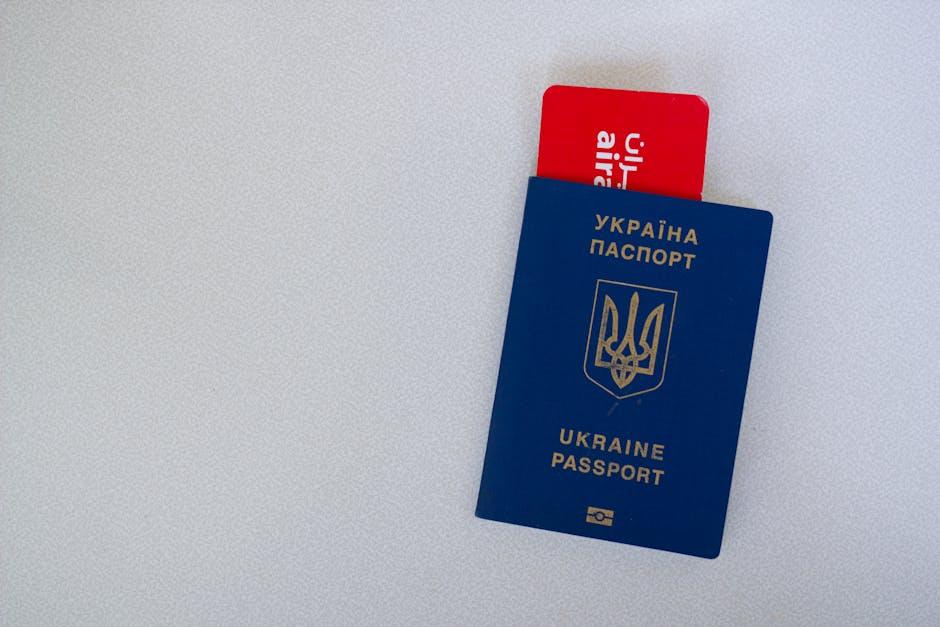
Understanding Key Immigration Documents and Their Roles
Immigration documents serve as the essential keys to navigating the complex pathways of international movement. Each document has a specific purpose, designed to validate identity, grant permission, or record one’s status within a country. For instance, a passport acts as a universal identity card, while a visa grants temporary permission to enter or stay in a country. Similarly, residence permits and work authorization letters extend the right to live and work legally. Understanding their distinct roles not only prevents legal pitfalls but also empowers applicants to approach their journey with clarity and confidence.
- Passport: Proof of citizenship and primary travel document.
- Visa: Authorization to enter or stay for a specific period.
- Residence Permit: Official document allowing long-term residence.
- Work Permit: Permission to engage in employment within the host country.
- Green Card (or equivalent): Proof of permanent resident status.
To further illustrate, the following table highlights the core attributes and typical validity periods of common immigration documents:
| Document | Primary Purpose | Validity | Renewability |
|---|---|---|---|
| Passport | International travel ID | 5-10 years | Yes |
| Tourist Visa | Short-term visit | 1-6 months | No |
| Work Permit | Legal employment | 1-3 years | Usually |
| Residence Permit | Long-term stay | 1-5 years | Usually |
| Green Card | Permanent residency | 10 years | Yes |

Navigating the Application Process with Confidence
Embarking on the journey of immigration can feel like deciphering an intricate puzzle, but having a clear roadmap eases the path significantly. Start by organizing your documents meticulously—think of them as the keys that unlock new opportunities. Essential paperwork typically includes passports, visas, birth certificates, and proof of financial stability. Keeping digital and physical copies in separate, easily accessible folders can save you precious time and reduce stress during the process.
Understanding the timeline and specific requirements of each document is equally important. Immigration offices often have stringent deadlines and unique procedures that vary by country and visa type. To keep track of your progress, consider this quick reference table outlining typical stages and their documents:
| Process Stage | Common Documents | Tip |
|---|---|---|
| Initial Application | Passport, Application Forms | Double-check form accuracy |
| Biometrics & Interviews | Appointment Notices, IDs | Arrive early and bring originals |
| Final Approval | Approval Letters, Visa Stamps | Confirm all details before travel |
Adopting a proactive mindset can transform the daunting application maze into a structured and manageable task, paving your way forward with confidence.
Essential Tips for Gathering and Organizing Required Paperwork
Begin by creating a comprehensive checklist categorizing each document according to the step of the immigration process it supports: application forms, proof of identity, financial statements, and legal records. This approach reduces the risk of missing vital paperwork and allows you to track your progress. Utilize clear, labeled folders or digital storage tools, ensuring every document is easily accessible when needed. Remember, staying consistent with file naming conventions—like Passport_JohnDoe_2024.pdf—helps avoid unnecessary confusion.
Another smart strategy involves understanding the specific requirements of your destination country’s immigration authority. Regulations can vary greatly, so consulting official websites or seeking advice from immigration experts is invaluable. Below is a quick reference table outlining common document types and their purposes to guide your organization:
| Document Type | Purpose | Tips for Organization |
|---|---|---|
| Identification | Proves your identity and nationality | Keep originals and scanned copies in separate folders |
| Financial Records | Demonstrates ability to support yourself | Group bank statements by month or year |
| Application Forms | Official requests for visas or residency | Store signed and unsigned versions distinctly |
| Supporting Letters | Provide endorsements or explanations | Label with sender and date for reference |
Common Challenges and How to Overcome Them
One of the most daunting hurdles immigrants face is navigating the complex web of paperwork, often exacerbated by language barriers and unfamiliar legal jargon. To stay on track, it’s crucial to keep a detailed checklist of required documents, deadlines, and application fees. Additionally, many find that seeking help from trusted immigration consultants or community organizations can simplify understanding forms and expedite the process. Remember, persistence and organization are your strongest allies in overcoming bureaucratic maze.
Unexpected delays and requests for additional information can cause significant frustration. Here are some practical tips to smooth the journey:
- Maintain copies of every submitted document for your records.
- Respond promptly to any requests from immigration authorities.
- Stay informed by regularly checking official immigration websites for updates.
- Prepare for interviews by practicing commonly asked questions.
| Challenge | Solution |
|---|---|
| Language barrier | Use certified translators or bilingual support groups |
| Lost documents | Keep digital and physical backups in safe locations |
| Unexpected application delays | Regularly follow up and track application status online |
| Confusing eligibility criteria | Consult official guidelines or legal experts for clarity |
Maximizing Legal Resources for a Smooth Immigration Journey
Navigating the labyrinth of immigration paperwork can often feel overwhelming, but leveraging the right legal resources can transform this daunting process into a manageable journey. Access to experienced immigration attorneys, community legal clinics, and government helplines empowers applicants to clarify complex requirements and avoid common pitfalls. Utilizing online document checklists and attending workshops or webinars offered by credible organizations can also streamline preparation, ensuring each form and supporting document is accurate and complete.
Beyond professional guidance, tapping into peer support networks creates a unique advantage—sharing experiences and tips with others can shed light on nuances not always evident in official texts. Consider these essential resources to optimize your document preparation:
- Immigration Lawyers: Personalized legal advice and case evaluation.
- Legal Aid Clinics: Free or low-cost assistance for qualifying applicants.
- Government Websites: Official and updated forms, FAQs, and submission rules.
- Community Forums: Real-life stories and practical insights from fellow immigrants.
- Document Preparation Tools: Templates and guided reviews for accuracy.
| Resource Type | Key Benefits | How to Access |
|---|---|---|
| Immigration Lawyers | Expert advice, case strategy | Private consultation, referrals |
| Legal Aid Clinics | Cost-effective, community-based help | Local nonprofit offices, online booking |
| Government Websites | Accurate forms, official instructions | Official portals and apps |
Closing Remarks
As the pathways of migration continue to evolve, understanding the essential documents that unlock borders becomes more important than ever. This guide has aimed to demystify the paperwork and processes that often stand between dreams and destinations. Whether seeking new opportunities, reuniting with loved ones, or embarking on life-changing journeys, having a clear grasp of immigration documents empowers you to navigate the complexities with confidence and clarity. Remember, each stamp, form, and permit is more than just ink and paper—it is a key that can open doors to new beginnings and endless possibilities.




