
In the intricate tapestry of global movement, immigration documents serve as essential threads—each one unlocking new possibilities, new beginnings, and new challenges. Yet, for many, these documents can appear as a bewildering maze of forms, regulations, and legal jargon. “Unlocking Journeys: A Guide to Navigating Immigration Documents” invites you to step beyond the confusion and into clarity. This guide aims to illuminate the paths that these critical papers open, offering practical insights and clear explanations to empower travelers, immigrants, and advocates alike. Whether embarking on a first journey abroad or guiding others through the process, understanding the language of immigration paperwork is the key to unlocking countless doors around the world.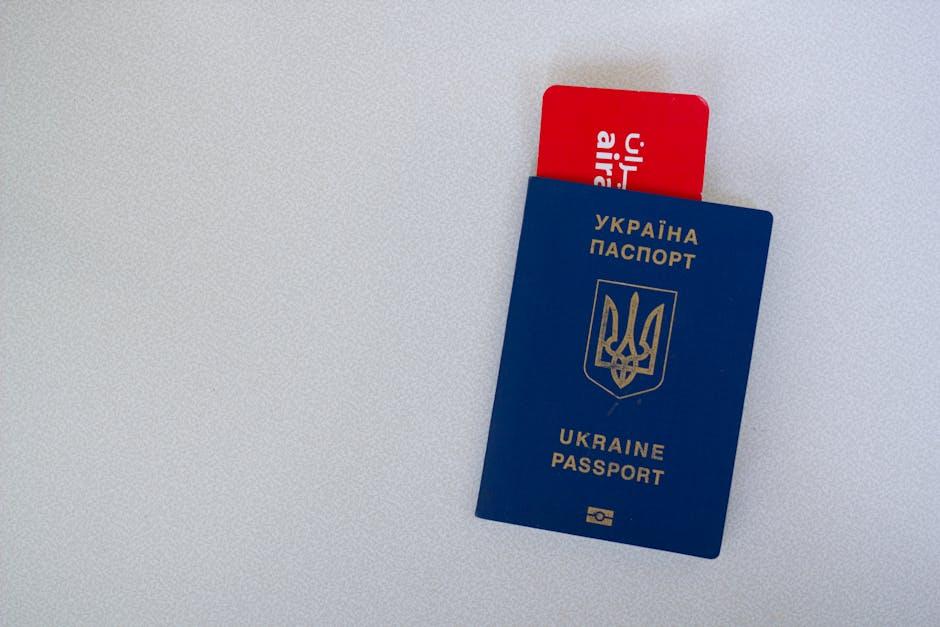
Understanding the Essential Immigration Documents and Their Purposes
When embarking on the path of immigration, possessing the right documentation is crucial to unlock doors and simplify complex processes. Immigration documents serve as your official proof of identity, status, and intent within a foreign country, making them indispensable for legal travel, work, study, and settlement. From visas that grant temporary permission to enter a country, to permanent residency cards that symbolize a long-term legal status, each document plays a unique role in your journey abroad.
Understanding the distinctions between key documents can empower applicants to better prepare and avoid common pitfalls. Here are some essential types:
- Passport: Your primary identification and travel document issued by your country of citizenship.
- Visa: Permission granted by the foreign country to enter and stay for a specified purpose and duration.
- Work Permit: Authorization allowing employment within the host country.
- Permanent Resident Card: Evidence of lawful permanent residence with rights similar to that of citizens.
- Refugee or Asylum Documents: Papers granting protection under humanitarian grounds.
| Document | Primary Purpose | Typical Validity |
|---|---|---|
| Passport | International travel | 5-10 years |
| Visa | Entry and stay permission | Days to years |
| Work Permit | Legal employment | Varies by employer |
| Permanent Resident Card | Proof of residency | Indefinite (with renewals) |

Step-by-Step Strategies for Organizing Your Immigration Paperwork
Creating a seamless system for your immigration documents starts with categorization. Dedicate separate folders—physical or digital—for each document type like identification, visas, work authorizations, and correspondences. Use clear labels and color-coding to make retrieval effortless, turning a chaotic pile into a well-organized archive at your fingertips. Consider cloud storage for backup, ensuring your files remain accessible and safe from unexpected loss.
Regular reviews add an extra layer of security and preparedness. Establish a routine schedule to cross-check expiration dates and collect new updates, avoiding last-minute scrambles. Here’s a simple overview to keep your paperwork up to date:
| Document Type | Review Frequency | Action |
|---|---|---|
| Passport | Every 6 months | Check expiration, renew if needed |
| Visa/Permit | Quarterly | Track validity & update renewals |
| Supporting Letters | Annually | Ensure all are current and signed |
Key Tips for Avoiding Common Mistakes in Document Submission
Submitting immigration documents can feel like navigating a maze — but some missteps are avoidable with a sharp eye and a bit of preparation. One crucial step is to double-check every form for accuracy before submission. Simple errors like misspelled names, mismatched dates, or incomplete fields can lead to unnecessary delays or requests for resubmission. Equally important is ensuring all required supporting materials are included. Imagine sending a puzzle with missing pieces; giving immigration officials a fully assembled application streamlines the approval process significantly.
Additionally, keep in mind these practical habits:
- Use clear, legible copies: Blurred or faded documents are often rejected.
- Adhere to file formats and size limits: When submitting digitally, strictly follow the platform’s specifications.
- Organize documents logically: Use tabs, labels, or a checklist to keep your paperwork in order.
- Keep proof of submission: Save receipts or confirmation emails for your records.
| Common Mistake | Quick Fix |
|---|---|
| Illegible copies | Scan again or use a scanner app |
| Incomplete forms | Review checklist before submission |
| Wrong file types | Convert files to PDFs or JPGs |
| Missing signatures | Sign all required places physically or digitally |
Navigating Legal Terminology and Requirements with Confidence
Understanding the complex world of immigration documents can often feel like deciphering a foreign language. Legal terminology, while precise, might seem daunting at first glance. To transform this challenge into clarity, begin by familiarizing yourself with key terms and their real-world implications. Words like “petition,” “visa categories,” and “affidavit of support” are foundational to every immigration process. Breaking down these concepts into manageable parts empowers you to navigate the paperwork with confidence and avoid common pitfalls that stem from misinterpretation.
Moreover, being aware of specific requirements associated with each document is essential. For instance, processing times, eligibility criteria, and necessary supporting evidence vary widely between different visa types. Here is a quick reference table highlighting fundamental distinctions:
| Document Type | Key Requirement | Typical Processing Time |
|---|---|---|
| Work Visa | Employer Sponsorship | 2-6 months |
| Family Reunification | Proof of Relationship | 6-12 months |
| Student Visa | Enrollment Confirmation | 1-3 months |
- Keep documents organized: Create a checklist for submitted and pending items.
- Consult reputable sources: Use official government websites and trusted legal advisors.
- Be proactive: Double-check forms for accuracy and update information promptly if changes occur.
Resources and Tools to Simplify the Immigration Documentation Process
Embarking on the intricate path of immigration paperwork becomes a breeze with the right aid. Digital platforms such as VisaWizard and ImmigrationTracker offer personalized checklists, step-by-step guidance, and real-time updates that help you stay ahead of deadlines. These tools demystify legal jargon, streamline document uploads, and even provide notification alerts, ensuring you never miss a critical submission. For those who prefer hands-on help, community forums like ImmigraTalk connect applicants with experts and experienced immigrants ready to share insights, answer pressing questions, and offer moral support through every stage.
To visualize what documents you might need, interactive infographics and downloadable templates can be lifesavers. Below is a snapshot of commonly required immigration documents sorted by category:
| Document Type | Examples | Purpose |
|---|---|---|
| Identity Proof | Passport, National ID | Verify personal identity |
| Legal Status | Visa, Work Permit | Confirm immigration eligibility |
| Supporting Documents | Birth Certificate, Marriage License | Establish relationships and background |
Insights and Conclusions
As we close this guide on navigating the intricate world of immigration documents, remember that each form, permit, and visa is more than just paper—it’s a key to new beginnings and uncharted horizons. While the process may seem daunting, understanding the pathways helps transform uncertainty into clarity. Armed with knowledge and patience, your journey through immigration becomes not just a bureaucratic hurdle but a meaningful step toward unlocking future possibilities. Step forward with confidence, for every document completed is a milestone unlocked on the road to your new chapter.




