
In an era where distances shrink and connections multiply, the global passport stands as a silent yet powerful key—unlocking not just borders, but possibilities. These modest booklets, often tucked away in pockets and purses, carry stories of identity, ambition, and freedom. As international travel evolves from a privilege to a commonplace reality, the passport emerges as both a symbol and a tool of our increasingly interconnected world. This article explores how global passports transcend mere documentation, shaping the way we navigate cultures, economies, and communities across continents.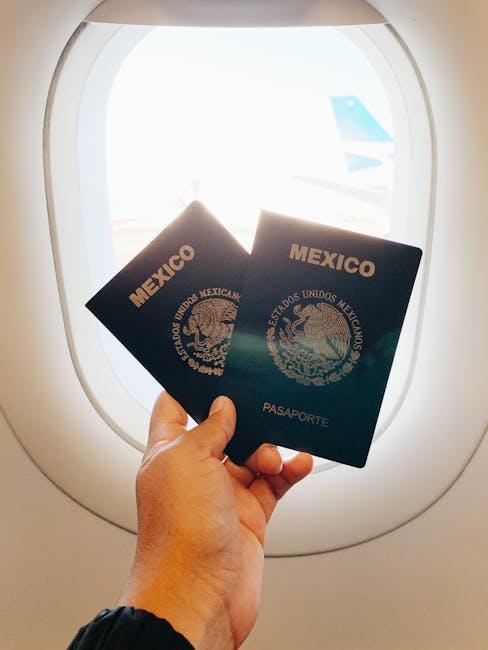
The Evolution of Global Passports and Their Role in Modern Travel
From humble beginnings as simple paper documents, passports have evolved into sophisticated tools embedded with biometric data, serving not only as proof of identity but as gateways to seamless global exploration. Early passports, often handwritten and issued locally, reflected the limited scope of travel in their era. Today, digital encryption, holographic images, and RFID chips preserve personal information securely while speeding up border controls. These advancements mirror the ever-growing interconnectedness of our world, allowing individuals to navigate complex international regulations with increasing ease and safety.
The passport’s role extends beyond identification; it symbolizes trust and cooperation among nations. Modern passports come in various formats, incorporating unique features tailored to global standards. Key innovations include:
- Biometric data integration for facial recognition and fingerprints;
- Machine-readable zones to expedite electronic scanning;
- Color-coded covers representing political or regional blocs.
The table below illustrates a snapshot of common passport features across different continents:
| Region | Cover Color | Biometric Feature | Average Visa-Free Countries |
|---|---|---|---|
| Europe | Burgundy | Facial recognition | 180+ |
| Asia | Red | Fingerprint scan | 150+ |
| America | Blue | RFID chip | 170+ |
| Africa | Green | Digital watermark | 50+ |
Technological Innovations Shaping the Future of Border Identification
Emerging technologies are revolutionizing how nations manage and authenticate identities at their frontiers. Biometric systems, such as fingerprint scanners and facial recognition cameras, are becoming omnipresent, enabling instant verification while reducing human error. These innovations not only streamline traveler processing but also elevate security protocols to combat identity fraud across borders. Moreover, blockchain technology is being explored for its tamper-resistant digital credentials, offering an unprecedented level of trust and transparency in identity validation.
Another breakthrough involves the integration of artificial intelligence (AI) and machine learning algorithms to analyze travel patterns and risk factors in real-time. This allows border authorities to predict and respond swiftly to potential threats without compromising the flow of legitimate passengers. Key technological features transforming border identification include:
- Contactless e-passports equipped with encrypted chips
- Mobile identity verification through secure smartphone apps
- Automated border control kiosks that reduce wait times
- Geo-fencing and real-time tracking of cross-border movements
| Technology | Benefit | Implementation Status |
|---|---|---|
| Biometric Facial Recognition | Fast, accurate traveler ID | Widely adopted |
| Blockchain ID Verification | Fraud-proof document storage | Emerging |
| AI-Powered Risk Analysis | Proactive threat detection | Early adoption |
| Mobile e-Passport Apps | Convenient, handheld IDs | Growing use |
Challenges and Opportunities in Harmonizing International Passport Standards
Efforts to unify passport standards face the intricate task of balancing national sovereignty with the global demand for seamless mobility. Diverse geopolitical interests, varying technological capabilities, and privacy concerns often place roadblocks on standardization progress. Amid these challenges, stakeholders must navigate a complex web of diplomatic negotiations and technical specifications to ensure both security and accessibility. Interoperability issues and the uneven adoption of biometric technologies further complicate this landscape, requiring innovative solutions that are both flexible and robust.
Yet, this endeavor opens a world of opportunities. Harmonized passports can drastically reduce processing times at borders and elevate security measures against forgery and identity theft. Key advantages include:
- Streamlined international travel, facilitating commerce and tourism
- Enhanced trust through shared security protocols
- Improved data exchange between countries for faster immigration decisions
| Aspect | Current Challenge | Potential Opportunity |
|---|---|---|
| Security Features | Fragmented biometrics | Unified encrypted data |
| Border Processing | Lengthy manual checks | Automated e-gate integration |
| Privacy | Varying regulations | Standardized data protections |
Balancing Security and Privacy in the Age of Digital Travel Documents
As global travel evolves, so do the demands on digital travel documents to be both secure and respectful of personal privacy. Modern passports and identity apps must incorporate advanced encryption technologies to prevent unauthorized access while ensuring travelers’ sensitive information remains confidential. At the same time, governments and private entities face the challenge of maintaining transparency and user control over data. This delicate dance between protection and privacy calls for innovations like biometric authentication paired with decentralized identity frameworks, allowing users to verify their identity without exposing excess information.
Achieving this balance means prioritizing not only technology but also policy and ethical design. Key strategies include:
- Minimal data sharing: only essential details are transmitted.
- Consent-driven access: travelers control who views their information.
- Audit trails: monitoring how data is accessed to prevent misuse.
- Interoperability: ensuring systems work globally without compromising security standards.
The table below illustrates how various features stack up against privacy and security measures, helping stakeholders find the ideal equilibrium.
| Feature | Security Level | Privacy Impact | User Control |
|---|---|---|---|
| Biometric ID | High | Medium | Medium |
| Encrypted QR Codes | Medium | High | High |
| Decentralized IDs | High | High | High |
| Cloud Storage | Medium | Low | Low |
Strategies for Enhancing Accessibility and Inclusivity in Global Mobility
To foster an environment where global mobility is truly accessible, organizations and governments must implement user-centric policies that recognize diverse needs. This includes embracing digital platforms designed with inclusivity at their core — such as multilingual interfaces, adaptive technologies for differently-abled travelers, and streamlined visa application processes that accommodate various socioeconomic backgrounds. By leveraging technology and empathetic design, these measures ensure that crossing borders is not just a privilege for a few but an achievable reality for all.
Collaboration across sectors is equally vital. Stakeholders should prioritize transparent communication channels and cultural competency training to reduce misunderstandings and barriers. Consider the following approaches to enhance inclusivity in global mobility:
- Implementing biometric systems that respect privacy while facilitating seamless identity verification.
- Offering personalized travel assistance for vulnerable groups such as elderly passengers or those with chronic conditions.
- Creating flexible legal frameworks that accommodate various forms of global citizenship and residency statuses.
| Strategy | Benefit | Example |
|---|---|---|
| AI-Powered Translation | Breaks language barriers | Real-time app translation at airports |
| Inclusive Visa Policies | Expands eligibility | Special provisions for remote workers |
| Accessible Infrastructure | Improves travel ease | Wheelchair-friendly transport hubs |
To Conclude
As the world continues to weave itself into an intricate web of connections, global passports stand as both keys and symbols—unlocking borders not just of land, but of culture, opportunity, and understanding. In this mosaic of movement, these documents remind us that while lines on a map may define territories, the true essence of a connected world lies in the journeys taken and the bridges built. Whether wielded in pursuit of adventure, commerce, or unity, passports invite us all to step beyond familiar horizons and embrace the boundless possibilities that await.




