
In an increasingly interconnected world, the concept of belonging to more than one nation has evolved from a rarity into a complex reality for millions. Dual citizenship, a status that intertwines identity, opportunity, and legal intricacies, offers a unique passport to global mobility and cultural richness. Yet, beneath its promising surface lie a web of rights, responsibilities, and challenges that require careful navigation. This article embarks on a balanced exploration of what it truly means to hold dual citizenship—unpacking its advantages, confronting its obstacles, and illuminating the rights it confers in today’s multifaceted society.
Understanding Dual Citizenship and Its Global Impact
Dual citizenship offers a unique bridge between cultures, economies, and legal frameworks, allowing individuals to enjoy freedoms and responsibilities across borders. It facilitates seamless international travel, broader business opportunities, and access to social services in multiple countries. However, it also demands careful navigation of complex legal landscapes, including tax obligations, military service rules, and conflicting national allegiances. Understanding the nuances of dual citizenship is essential for leveraging its advantages while mitigating potential pitfalls.
Globally, dual citizenship influences diplomatic relations and multicultural integration, often serving as a catalyst for stronger transnational ties. Countries vary widely in their acceptance and regulation of dual citizenship, which can impact rights such as voting, property ownership, and legal protections. The following table highlights key differences in dual citizenship policies across select countries:
| Country | Allows Dual Citizenship | Restrictions | Unique Rights |
|---|---|---|---|
| Canada | Yes | None | Voting in federal elections |
| Japan | No | Requires citizenship choice by age 22 | N/A |
| Australia | Yes | Must disclose dual status | Access to social healthcare |
| Germany | Limited | Allowed under EU country citizenship | Work rights in EU |
- Legal Complexity: Dual citizenship can introduce layered legal responsibilities that vary by jurisdiction.
- Cultural Identity: It allows maintaining ties to heritage while participating fully in another culture.
- Economic Mobility: Enables greater access to global markets and employment opportunities.
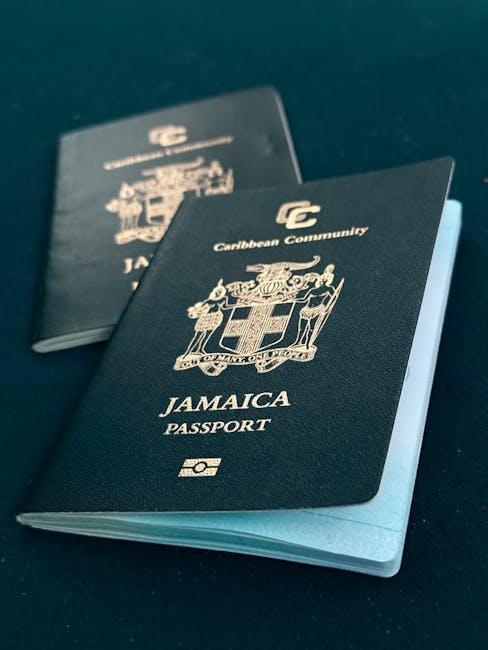
Exploring the Legal Rights and Responsibilities of Dual Citizens
Dual citizenship opens a unique landscape where individuals legally belong to two sovereign states simultaneously. This dual allegiance grants them access to a broader range of civil liberties, including the right to vote, work, and reside in either country without the typical restrictions placed on foreign nationals. However, with these rights come essential responsibilities—they must navigate complex legal obligations such as tax filing in multiple jurisdictions, adherence to the laws governing both countries, and potential military service requirements. Understanding these layers is paramount to fully benefiting from dual citizenship without encountering legal pitfalls.
Key Legal Rights and Responsibilities Include:
- Voting and Political Participation: Exercising democratic rights in both nations, though some countries restrict voting from abroad.
- Tax Compliance: Reporting income and paying taxes as required by each citizen’s tax laws, which can involve double taxation treaties or exemptions.
- Military Obligations: Potential duty to serve in the armed forces, depending on national conscription policies.
- Passport Usage: Choosing which passport to present when entering or leaving a country while respecting respective entry regulations.
| Aspect | Legal Rights | Responsibilities |
|---|---|---|
| Residency | Live and work freely | Obey local laws |
| Taxation | Claim applicable benefits | File accurate returns |
| Travel | Use either passport | Follow customs regulations |
| Political Rights | Vote and run for office | Respect election laws |
Weighing the Benefits of Dual Citizenship in Travel and Work Opportunities
Holding dual citizenship dramatically expands your global horizons, particularly when it comes to travel and employment. With two passports in hand, you can often bypass lengthy visa applications, unlock visa-free or visa-on-arrival access to a broader list of countries, and minimize travel restrictions. This freedom not only accelerates personal adventures but also smooths out business trips, networking opportunities, and professional development abroad. Additionally, the ability to live and work legally in two countries can serve as a powerful career boost, allowing you to navigate international job markets with ease and capitalize on economic opportunities that might otherwise be limited by nationality.
Key advantages include:
- Reduced bureaucratic hurdles when crossing borders
- Access to social services and employment rights in both countries
- Eligibility for national scholarships, grants, and business incentives
- Greater job flexibility and entrepreneurship options globally
| Aspect | Single Citizenship | Dual Citizenship |
|---|---|---|
| Visa-Free Travel | Moderate access | Extensive access |
| Work Authorization | Single country only | Two countries simultaneously |
| Cultural Integration | Limited influence | Deeper connection |
| Economic Opportunity | Restricted | Broadened scope |
Addressing Common Challenges Faced by Dual Citizens
Holding citizenship in two countries offers unique opportunities, but it equally brings complex challenges that require careful navigation. Dual citizens often grapple with taxation complexities, as they may be subject to obligations in both countries. Understanding the nuances of each nation’s tax system, including potential double taxation or reporting requirements, is essential to maintain compliance. Moreover, legal obligations such as military service, property ownership restrictions, or varying civil rights can cause confusion and unexpected responsibilities.
Social and cultural integration can also present hurdles, especially when dual citizens must balance contrasting expectations and identities. Issues like language barriers, differing societal norms, and political loyalties may occasionally lead to feelings of divided allegiance. To effectively manage these obstacles, dual citizens can benefit from resources such as:
- Legal advisory services specializing in dual nationality laws
- Financial consultants experienced in international tax planning
- Cultural organizations that support bilingual education and social networking
| Challenge | Potential Impact | Suggested Solution |
|---|---|---|
| Tax Reporting | Double taxation risks | Consult specialized tax advisors |
| Military Service | Mandatory enlistment in both countries | Check exemptions & legal options |
| Identity Conflict | Emotional strain, social challenges | Join cultural support groups |
Practical Tips for Managing Dual Citizenship Effectively
Successfully managing dual citizenship requires organization and foresight. Start by keeping all important documents in a secure yet accessible place—this includes passports, national ID cards, and any legal paperwork related to both countries. Regularly check visa and residency requirements, as these can change without much public notice. It’s also wise to maintain distinct financial records and understand the tax obligations in each country to avoid any legal or fiscal pitfalls. Remember, staying informed is your best defense against unexpected complications.
Communication plays a vital role in navigating the complexities of dual citizenship. Establish a network of reliable contacts, such as consular officials, legal advisors, and expat communities, to provide support and updates on any policy shifts. When traveling, always carry relevant identification for both nations and be aware of which passport to use on international borders to avoid confusion. Simple tools like digital calendars and reminders can help keep important dates, such as passport expirations and tax deadlines, firmly in check.
| Tip | Benefit |
|---|---|
| Maintain separate financial accounts | Simplifies tax filing and currency management |
| Use digital tools for document reminders | Prevents missing critical deadlines |
| Engage with local consulates | Access timely legal and travel advice |
| Respect each country’s laws | Avoids legal repercussions and fines |
In Summary
In the intricate dance of dual citizenship, the steps may be complex, but the rhythm holds both promise and prudence. Navigating this unique path offers a tapestry woven with expanded opportunities, blended identities, and enhanced rights—yet it also calls for careful consideration of legal responsibilities and personal priorities. As global borders become more fluid and identities more multifaceted, understanding the benefits and challenges of holding citizenship in multiple nations becomes not just a choice, but a journey of self-discovery and informed decision-making. Whether you stand ready to embrace the privileges or tread cautiously through the complexities, the story of dual citizenship is ultimately one of balancing connection and commitment in an ever-interconnected world.




