
In a world increasingly connected yet often divided by borders, the journey of family-based immigration stands as a testament to the enduring power of human bonds. Beyond paperwork and policies, it is a deeply personal voyage—one driven by hope, resilience, and the universal desire to reunite loved ones across continents. This article explores the intricate process of building families abroad, shedding light on the challenges and triumphs that define the experience of those who seek not just new opportunities, but the priceless gift of togetherness.
Understanding the Foundations of Family-Based Immigration
At the heart of family-based immigration lies a profound commitment to reuniting loved ones and nurturing enduring connections across borders. This process is more than paperwork—it embodies the hopes and dreams of families striving to build a life together in a new land. Central to this journey is the petition system, which allows U.S. citizens and lawful permanent residents to sponsor eligible relatives. Navigating this system requires understanding eligibility, documentation, and the critical priority dates that govern visa availability.
Key elements of this foundation involve categories of eligible relatives and the distinctions between immediate relatives and preference categories, which influence the speed and complexity of immigration. Below is a simple breakdown of these categories:
| Category | Eligible Relatives | Processing Priority |
|---|---|---|
| Immediate Relatives | Spouses, unmarried children under 21, parents | Highest (No annual limits) |
| Family Preference |
|
Subject to annual caps and wait times |
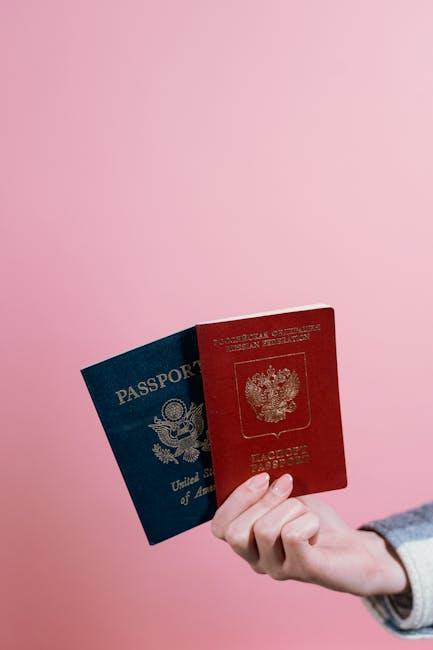
Navigating Legal Pathways and Documentation Essentials
Embarking on the journey of family-based immigration requires a deep understanding of the intricate legal frameworks that govern each step. Essential forms such as the Petition for Alien Relative (Form I-130) and the Adjustment of Status (Form I-485) are gateways that demand precision and timely submission. Beyond paperwork, engaging with competent legal counsel can illuminate complex requirements, ensuring that nuances like evidentiary documents and eligibility criteria are fully met. Every signature, affidavit, and certified translation holds the power to either accelerate or delay family reunification, making meticulous attention to detail an absolute necessity.
Navigating this process effectively is often supported by assembling a comprehensive documentation toolkit, which includes:
- Proof of U.S. Citizenship or Legal Residency: Birth certificates, passports, or green cards.
- Relationship Evidence: Marriage certificates, photos, communication records.
- Financial Support Documents: Affidavits of support, tax returns, employment letters.
- Identification and Biometric Data: Fingerprints, photographs, identification cards.
To help visualize the pathway, the following table summarizes the key documents and their typical processing times:
| Document | Purpose | Average Processing Time |
|---|---|---|
| Form I-130 | Petition to establish family relationship | 7-12 months |
| Form I-485 | Request to adjust status to permanent resident | 8-14 months |
| Affidavit of Support (Form I-864) | Demonstrate financial ability to support | 3-6 months |
Overcoming Common Challenges in Reuniting Families
Navigating the maze of family-based immigration often presents several hurdles, but recognizing these challenges early can make the journey smoother. One common obstacle is the complex documentation process, where families must gather a variety of legal papers, financial evidence, and personal histories. Staying organized and seeking professional guidance can turn this overwhelming task into manageable steps. Another frequent issue is the lengthy wait times caused by backlogs in immigration offices, which can test the patience and emotional resilience of families eager to reunite.
- Document Preparation: Ensuring accuracy and completeness to avoid delays.
- Communication Barriers: Overcoming language and cultural differences during interviews and legal consultations.
- Financial Requirements: Meeting income thresholds and sponsorship obligations.
- Policy Changes: Staying updated with fluctuating immigration laws and guidelines.
To effectively conquer these obstacles, many families benefit from creating a clear timeline that tracks application progress and deadlines. Engaging with support networks, such as community organizations and legal aid groups, can provide essential emotional and practical assistance. Below is a simple comparison of common challenges and actionable strategies:
| Challenge | Strategy |
|---|---|
| Document Errors | Use checklists and professional review services |
| Language Barriers | Hire interpreters or bilingual consultants |
| Extended Waiting Times | Regularly check application status & prepare interim plans |
| Financial Proof | Maintain clear financial records and seek sponsorship advice |
Cultural Integration and Support Systems for Immigrant Families
Embracing a new culture while preserving one’s heritage is a delicate dance that immigrant families perform daily. Support systems, both formal and informal, act as vital bridges in this process, allowing families to navigate unfamiliar social landscapes with confidence. Community centers, cultural associations, and bilingual education programs offer spaces where traditions are celebrated, languages are nurtured, and newcomers find a genuine sense of belonging. These resources create a tapestry of shared experiences that cushion the challenges of adaptation and foster resilience.
Key support elements that aid cultural integration include:
- Language Assistance: Classes and mentorship programs to overcome language barriers.
- Legal and Social Services: Guidance on rights, healthcare, and schooling.
- Community Networks: Social groups and cultural events that maintain connections to heritage.
| Support System | Primary Benefit | Example Initiative |
|---|---|---|
| Language Programs | Improves communication and integration | English as a Second Language (ESL) classes |
| Cultural Associations | Preserves cultural identity | Festivals and holiday celebrations |
| Social Services | Provides essential legal and healthcare support | Immigrant legal aid clinics |
Strategies for Sustaining Long-Term Family Connections Abroad
Maintaining strong family connections while living abroad requires intentional efforts that bridge cultural, geographic, and emotional distances. Engaging in regular communication through video calls, messaging apps, and shared digital photo albums transforms the abstract idea of connection into a tangible, daily ritual. Additionally, embracing traditions from home while integrating local customs fosters a unique family identity that thrives in its new environment. This duality enriches relationships by allowing every family member to feel grounded in their roots yet open to evolving together.
To nurture these bonds over time, consider the following:
- Organize monthly family virtual gatherings with themed activities or storytelling sessions.
- Create a collaborative family calendar highlighting birthdays, anniversaries, and cultural events.
- Encourage younger members to document their experiences through journals or video diaries shared with relatives back home.
- Establish a family recipe exchange, cooking meals together via video calls, blending flavors and memories across continents.
| Strategy | Benefit |
|---|---|
| Virtual Storytelling Night | Strengthens emotional ties and preserves family heritage. |
| Shared Cultural Recipes | Encourages intergenerational bonding through shared culinary traditions. |
| Collaborative Calendar | Keeps everyone connected and aware of important milestones. |
Wrapping Up
As the threads of countless lives weave across borders and oceans, family-based immigration stands as a testament to the enduring power of connection. It is more than paperwork and procedures; it is the crafting of new beginnings, the healing of distances, and the shaping of shared futures. In this ongoing journey, the bonds built abroad remind us that home is not just a place on the map but a tapestry of relationships nurtured through hope, resilience, and love.




