
In a world increasingly connected yet divided by lines on maps, the movement of people across borders remains a deeply human story—one often woven through the ties of family. “Bridging Borders: Understanding Family-Based Immigration Paths” invites readers to step into the complex yet heartfelt journeys of individuals striving to unite with loved ones. This article unravels the legal frameworks, emotional landscapes, and cultural dynamics that shape family-based immigration, offering insight into how policies and personal aspirations intersect to bridge distances and create new homes across continents.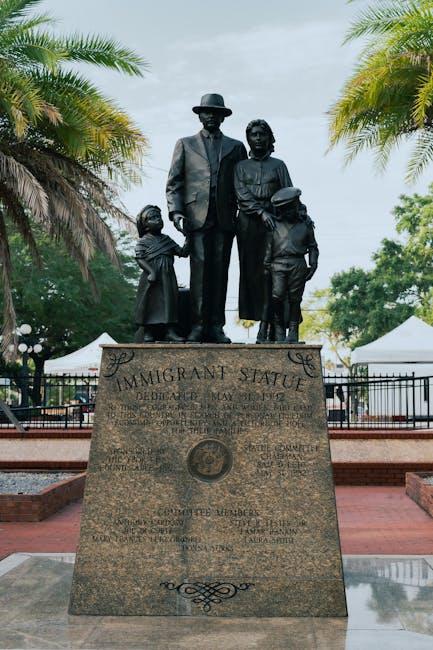
Understanding the Foundations of Family-Based Immigration
At the heart of family-based immigration lies the principle of uniting loved ones across borders. This pathway provides a legal avenue for citizens and permanent residents to sponsor relatives, ensuring families remain connected despite geographical divides. Understanding the eligibility criteria, petition processes, and priority categories empowers applicants to navigate the complex immigration landscape with confidence. With patience and preparation, family-based immigration acts as a bridge, dissolving the barriers imposed by distance and bureaucracy.
Key factors that shape this immigration route include the petitioner’s relationship to the beneficiary and the beneficiary’s country of origin. Below are essential elements that define eligibility:
- Immediate Relatives: Spouses, unmarried children under 21, and parents of U.S. citizens with no annual caps.
- Family Preference Categories: Includes siblings, adult children, and married children, subject to annual limits and longer wait times.
- Petitioner Requirements: Citizenship or lawful permanent resident status, financial ability to sponsor, and proper submission of evidence.
| Category | Typical Waiting Period | Priority |
|---|---|---|
| Immediate Relatives | 6-12 months | Highest |
| Family Preference 1 | 7-9 years | High |
| Family Preference 3 | 12-15 years | Medium |
Navigating Eligibility Requirements and Documentation
Determining who qualifies for family-based immigration is the cornerstone of a successful application. Applicants must typically prove a legitimate familial relationship, which varies by category — including spouses, children, parents, or siblings of U.S. citizens or permanent residents. Key criteria involve the petitioner’s citizenship status, the relationship’s legality, and sometimes factors like the applicant’s age or marital status. Documentation is equally crucial; original or certified copies of birth certificates, marriage certificates, and proof of legal status form the foundation of the case. Missing or incorrectly prepared paperwork can stall or even derail the process, so meticulous attention to detail is essential.
Here’s a quick snapshot of common documents and eligibility elements required for various family-based petitions:
| Relationship Type | Essential Documents | Additional Requirements |
|---|---|---|
| Spouse | Marriage Certificate, Proof of Cohabitation | Genuine marriage evidence, No prior immigration fraud |
| Child (Unmarried, under 21) | Birth Certificate, Custody Documents (if applicable) | Proof of age, Unmarried status |
| Parent | Birth Certificate, Petitioner’s Proof of Citizenship | Petitioner must be 21 or older |
| Sibling | Birth Certificates (for both), Petitioner’s Citizenship | Longer wait times, proof of shared parentage |
Every case is unique, so it’s wise to prepare documents as thoroughly as possible and seek professional guidance when complexities arise. Navigating the layered eligibility landscape requires patience, precision, and persistence to transform familial bonds into lawful residency.
Exploring Common Challenges and How to Overcome Them
Family-based immigration often comes with a labyrinth of legal hurdles and emotional stress. Applicants may face delays due to extensive background checks, incomplete documentation, or shifting immigration policies. Misunderstanding eligibility requirements is another common pitfall that can prolong the process or lead to denials. To navigate this, it’s essential to stay informed through official resources and, when possible, consult with an immigration attorney who specializes in family reunification cases. Organizing paperwork early and maintaining copies of all submissions can streamline future steps and reduce anxiety.
Another challenge lies in managing expectations for reunification timelines, which can vary widely depending on the nature of the family relationship and the country of origin. Patience and clear communication within families are crucial during these periods. Below is a quick reference table outlining typical average wait times for common visa categories:
| Visa Category | Average Processing Time | Key Consideration |
|---|---|---|
| Immediate Relative (Spouse/Parent/Child) | 6-12 months | No annual limits |
| Family Preference (Siblings, Adult Children) | 2-7 years | Subject to annual caps |
| K-1 Fiancé Visa | 4-6 months | Requires marriage within 90 days |
- Stay proactive: Track case status online and respond promptly to requests.
- Use support networks: Engage with community groups familiar with immigration.
- Prepare emotionally: Long processes require resilience and family solidarity.
Strategies for Streamlining the Application Process
To ease the often complex journey of family-based immigration, it’s essential to adopt a methodical approach that prioritizes clarity and preparation. Start by gathering all necessary documents well in advance—such as birth certificates, marriage licenses, and proof of citizenship—to reduce processing delays. Utilizing checklists tailored for each stage of the application can help keep track of completed steps, required submissions, and official deadlines. Additionally, tapping into community resources or legal aid services can provide invaluable guidance, ensuring that applicants don’t miss critical details or misinterpret policies.
Efficiency can also be enhanced by leveraging technology and communication tools:
- Use online portals for form submissions to speed up processing times.
- Set reminders for important follow-up dates and interviews.
- Maintain digital copies of all correspondence and receipts.
| Step | Key Action | Tip |
|---|---|---|
| Documentation | Compile and verify all paperwork | Double-check for official translations |
| Submission | Use certified mail or electronic filing | Keep confirmation receipts handy |
| Follow-up | Track application status regularly | Respond promptly to requests |
Building Support Networks for Immigrant Families
Creating a strong network of support is essential for immigrant families navigating the complex landscape of family-based immigration. These connections provide more than just emotional comfort; they offer practical assistance such as legal guidance, language support, and cultural orientation. Community centers, local nonprofits, and faith-based organizations often serve as valuable hubs where families can find resources tailored to their unique challenges. Engaging with these networks fosters a sense of belonging and equips families with the tools they need to advocate for themselves during the immigration process.
Key elements that contribute to effective support networks include:
- Access to culturally sensitive legal aid
- Language learning programs and translation services
- Social events to build community bonds
- Workshops on navigating immigration policies
| Support Type | Primary Benefit | Typical Provider |
|---|---|---|
| Legal Assistance | Clarifies application and documentation processes | Immigrant law clinics, nonprofits |
| Language Support | Enhances communication & integration | Community centers, educational institutions |
| Social Connection | Builds emotional resilience | Cultural organizations, faith groups |
Closing Remarks
As we navigate the intricate pathways of family-based immigration, it becomes clear that these journeys are more than bureaucratic processes—they are stories of connection, hope, and new beginnings. Bridging borders through family ties not only reunites loved ones but also weaves diverse threads into the fabric of our communities. By deepening our understanding of these immigration paths, we foster empathy and appreciation for the courage it takes to build a life across boundaries. In embracing these narratives, we move closer to a world where borders are bridges, and family is the universal language that transcends them all.




