
In a world increasingly defined by borders both physical and cultural, the concept of nationality has grown far more intricate than a simple stamp in a passport. Dual nationality—holding citizenship in two countries simultaneously—has become a symbol of global interconnectedness, opportunity, and sometimes, complexity. Navigating the intricate web of laws, rights, and responsibilities tied to multiple national identities is no small feat. This article explores the multifaceted world of dual nationality, unpacking the challenges, benefits, and subtle nuances that shape the experiences of those who straddle more than one homeland. Whether driven by heritage, migration, or personal choice, understanding dual nationality today is essential in a world where identity is rarely singular.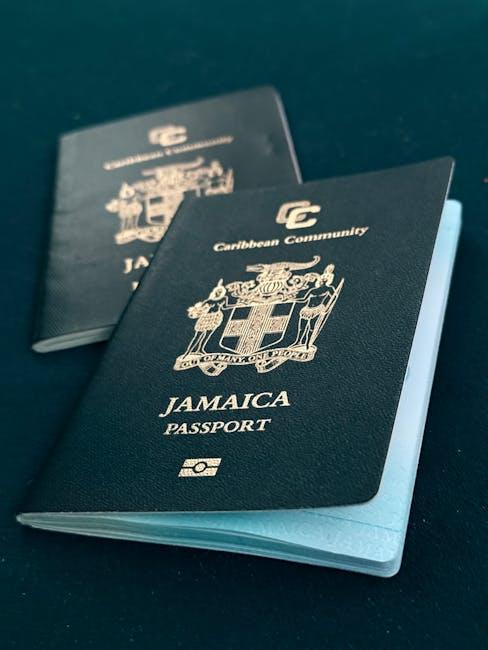
Understanding the Legal Landscape of Dual Citizenship
Dual citizenship exists at the intersection of personal identity and intricate legal frameworks. Across the globe, countries vary significantly in how they recognize or restrict multiple nationalities. Some embrace it, allowing individuals to enjoy the privileges and responsibilities of two nations, while others impose stringent limitations or outright prohibitions to protect sovereignty and national security. Understanding this diverse legal terrain requires more than just knowing the rules—it’s about grasping how historical treaties, bilateral agreements, and domestic laws weave together to define one’s legal standing.
When navigating this complex environment, several factors come into sharp focus:
- Nationality laws: Some countries follow jus soli (right of the soil) granting citizenship by birthplace, others adhere to jus sanguinis (right of blood) based on ancestry.
- Military service requirements: Dual nationals might face compulsory service obligations in one or both countries.
- Taxation rules: Understanding the nuances of global income reporting and tax liabilities is essential to avoid penalties.
| Country | Dual Citizenship Policy | Key Restriction |
|---|---|---|
| Canada | Permissive | None |
| Japan | Restrictive | Must choose before age 22 |
| Germany | Conditional | Requires permission |
| India | Prohibited | Renounce other nationality |
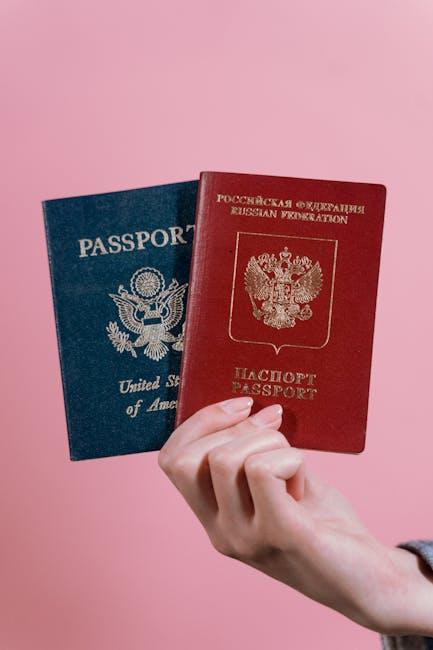
Balancing Rights and Responsibilities Across Borders
Navigating the intricate landscape of dual nationality involves more than just holding two passports; it means embracing a complex set of rights and responsibilities that cross international boundaries. Individuals must often juggle legal obligations such as taxation, military service, and civic duties in more than one country, while simultaneously enjoying benefits like voting rights, work opportunities, and social protections abroad. The challenge lies in harmonizing these sometimes conflicting demands to maintain compliance without compromising one’s personal or professional ambitions.
This balancing act is further complicated by differing national laws and policies, which might impose restrictions or privileges uniquely tailored to citizens and residents. For instance:
- Taxation rules can require reporting income worldwide, leading to potential double taxation or complex filing requirements.
- Military obligations might compel service in one country despite active residence in another.
- Voting rights may grant influence in multiple governments, raising questions about political allegiance.
The following table illustrates typical rights and responsibilities borne by dual nationals, revealing the need for informed decisions and proactive planning:
| Aspect | Common Rights | Common Responsibilities |
|---|---|---|
| Legal Status | Passport access in two countries | Obey laws in both jurisdictions |
| Taxation | Access to social benefits | File taxes, avoid evasion |
| Civic Duties | Voting and representation | Military or community service |
| Mobility | Ease of travel and work | Respect visa and residency rules |
Challenges in Obtaining and Maintaining Multiple Passports
Securing and keeping multiple passports is rarely a straightforward adventure; it’s tangled with a web of legal intricacies and bureaucratic hurdles. Each nation has its own criteria—some demand years of residency, others insist on proving descent or investment. Then there’s the constant vigilance: ensuring renewals are on time and obligations like taxes and military service are fulfilled. Failure to comply can result in the loss of citizenship, leaving dual nationals in precarious limbo. The emotional weight of choosing to maintain loyalties to multiple countries also adds an often-overlooked psychological challenge.
Beyond paperwork, holders of several passports must navigate the practical headaches of conflicting laws and travel restrictions. For instance, some countries forbid dual nationality altogether, forcing travelers into a maze of legal exceptions or complex renunciation processes. Others might impose stringent entry or exit rules that clash with the holder’s second nationality. A brief overview underscores this complexity:
| Country Policy | Dual Nationality Stance | Notable Restriction |
|---|---|---|
| Japan | Generally prohibits | Must choose one at age 22 |
| Canada | Permits freely | None |
| India | Not recognized | No dual citizenship, only OCI card |
| Brazil | Permits with conditions | May restrict political rights |
- Legal obligations: Taxes, military service, and voting duties can overlap or conflict.
- Status uncertainty: Renunciation of one citizenship may be mandatory but emotionally difficult.
- Travel restrictions: Some nations limit entry or exit for dual nationals invoking different passports.
In essence, juggling multiple passports is a sophisticated balancing act requiring vigilance and adaptability—one that demands not just legal savvy but a readiness to confront the gray areas between nations.
Strategic Tips for Managing Dual Nationality with Confidence
Maintaining a balanced approach when juggling multiple nationalities requires ensuring you remain fully informed about the legal obligations and rights each citizenship entails. Proactively staying updated on visa requirements, tax consequences, and residency rules will save you from unexpected complications. Utilizing digital tools like dual citizenship apps or setting calendar reminders for passport renewals can transform what seems daunting into a manageable routine.
Networking with communities sharing your dual nationality background often unlocks insider knowledge and cultural insights that official channels might overlook. Consider building a personal checklist emphasizing areas such as:
- Travel documentation consistency – ensuring your documents are valid and up-to-date for both countries
- Legal compliance – understanding where you owe taxes or must fulfill civic duties
- Identity integration – navigating cultural identity without losing the essence of either nationality
| Key Area | Best Practice | Pro Tip |
|---|---|---|
| Passport Validity | Renew 6 months before expiry | Use reminders on apps or calendars |
| Tax Filings | Consult a tax advisor familiar with dual citizenship | Keep digital records organized |
| Cultural Engagement | Participate in both communities’ events | Share stories to deepen understanding |
Future Trends and Policy Shifts in Dual Citizenship Laws
As globalization deepens, countries are re-evaluating their stance on dual citizenship, balancing economic incentives with national security concerns. Emerging trends reveal a cautious openness where states increasingly consider flexible nationality policies to attract skilled immigrants and diaspora investments. Meanwhile, some nations tighten restrictions, prompted by fears of divided loyalties and diplomatic complexities. This dynamic landscape suggests that future citizenship frameworks will be more tailored and context-driven, reflecting evolving geopolitical realities.
Policy adaptations are likely to incorporate innovative mechanisms, such as:
- Conditional dual citizenship with specific obligations or benefits attached
- Enhanced digital identity verification to reduce fraud in citizenship claims
- Collaborative international agreements to streamline cross-border rights
| Trend | Potential Impact | Example Region |
|---|---|---|
| Strict renunciation policies | Discourages multiple nationalities | Asia-Pacific |
| Hybrid citizenship models | Fosters diaspora engagement | European Union |
| Digital nationality passports | Enhances security & convenience | North America |
Future Outlook
In the intricate dance of borders and identities, dual nationality offers both a bridge and a challenge—a passport not just to countries, but to cultures, rights, and responsibilities that intertwine in unexpected ways. Navigating this complex terrain requires more than paperwork; it demands awareness, adaptability, and a nuanced understanding of the legal and emotional landscapes involved. As global connections deepen and the world grows ever more intertwined, mastering the art of holding multiple nationalities becomes less about choosing a single path and more about embracing the mosaic of belonging that defines our modern age. Whether a gateway to opportunity or a labyrinth of legalities, dual nationality remains one of the most compelling passports of our time.




