
In an increasingly interconnected world, the concept of borders is evolving, and with it, the idea of identity and belonging. Holding a single passport once symbolized a straightforward national story—but today, more individuals are embracing the complex advantages of dual citizenship. Navigating dual passports opens doors to a realm where global mobility is not just a privilege but a strategic asset. This article explores the multifaceted benefits of holding dual passports, shedding light on how this unique status can unlock opportunities, enhance personal freedom, and transform the way we engage with the world. Whether for business, travel, or family ties, understanding the nuances of dual citizenship is key to fully harnessing its potential in our global society.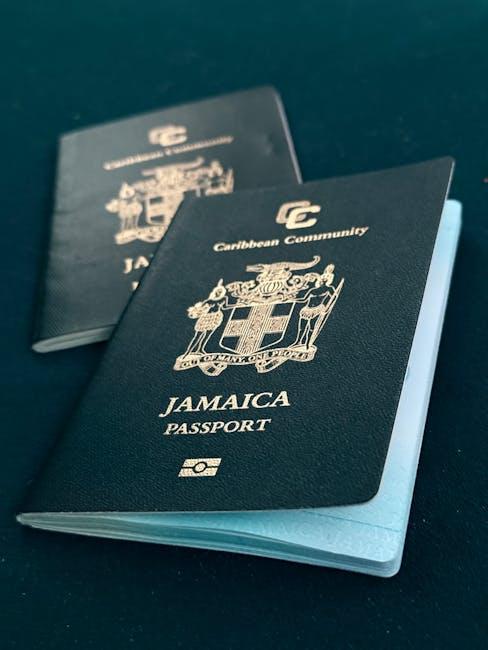
Understanding the Legal Landscape of Dual Citizenship
When considering dual citizenship, one must navigate a complex web of international laws and national policies that dictate rights, responsibilities, and restrictions. Each country has its own unique stance on dual nationality—some embrace it wholeheartedly, while others impose strict limitations or prohibit it altogether. Understanding these legal nuances is crucial, as they influence everything from taxation and military service obligations to voting rights and passport validity. For instance, certain nations require dual citizens to renounce former allegiances upon naturalization, whereas others allow unrestricted retention of multiple nationalities.
- Legal recognition varies: Not all countries recognize dual citizenship equally, affecting legal protections abroad.
- Obligations may overlap: Dual citizens might face tax responsibilities and social duties in each country.
- Travel advantages: Multiple passports can simplify visa requirements and border crossings worldwide.
- Political participation: Voting rights and candidacy eligibility might differ based on dual status.
To better illustrate the global perspective, the following table summarizes how countries differ in their treatment of dual citizenship, highlighting the versatility—and sometimes challenges—of holding dual passports:
| Country | Dual Citizenship Status | Notable Restriction |
|---|---|---|
| Canada | Allowed | None |
| Japan | Restricted | Must choose one citizenship at adulthood |
| Germany | Limited Approval | Requires special permission or EU origin |
| Brazil | Allowed | None |
| Saudi Arabia | Prohibited | Dual citizenship is not legally recognized |
Grasping these variations not only equips travelers and expatriates with knowledge to avoid legal pitfalls but also empowers them to maximize the mobility and security benefits their dual passports offer worldwide.

Evaluating the Financial and Tax Implications of Holding Two Passports
Holding two passports can open a world of opportunities, but it also introduces a complex landscape of financial and tax considerations. Each country has its own set of rules regarding income reporting, taxation on global assets, and residency obligations. For example, a dual passport holder may encounter double taxation if both countries claim taxing rights on the same income. Fortunately, many nations have established tax treaties to mitigate such conflicts, but understanding the nuances is crucial to avoid unexpected liabilities.
When evaluating the financial implications, it’s essential to keep track of:
- Tax residency status – A determining factor in how income and assets are taxed.
- Reporting requirements – Some countries mandate disclosure of foreign bank accounts and investments.
- Inheritance and estate taxes – Different rules may apply depending on citizenship and domicile.
| Country | Tax Residency Trigger | Double Taxation Treaty Status |
|---|---|---|
| Country A | 183-day physical presence | Yes |
| Country B | Permanent home availability | No |
Prudent financial planning, aided by professional tax advice, can help dual passport holders navigate these intricacies effectively. Anticipating and managing cross-border tax obligations ensures that the tangible benefits of global mobility don’t come with unintended financial pitfalls.
Maximizing Travel Freedom and Visa Advantages Worldwide
Holding dual passports can be a transformative advantage in today’s interconnected world, offering unparalleled freedom in crossing borders and reducing the bureaucratic hurdles many travelers face. By strategically leveraging the visa policies associated with each nationality, dual passport holders can tap into a broader network of visa-free or visa-on-arrival destinations. This means fewer long waits in embassy lines, less paperwork, and more spontaneous travel opportunities that align with both leisure and business needs.
Understanding the unique benefits of each passport can enhance travel plans, especially when one passport grants access to regions where the other might not. Here’s a concise guide to the typical advantages unlocked:
- Visa-free travel: Jump between continents without the hassle of obtaining visas.
- Extended stays: Some passports allow longer visit durations, providing flexibility.
- Reduced entry restrictions: Bypass certain restrictions or delays applicable to single nationality holders.
- Access to regional benefits: Such as working holiday permits or special trade zones.
| Passport | Visa-Free Countries | Typical Stay Duration | Special Perks |
|---|---|---|---|
| Passport A | 150+ | Up to 90 days | Business visa facilitation |
| Passport B | 120+ | Up to 180 days | Access to preferential trade zones |
Strategic Planning for Maintaining Compliance Across Jurisdictions
Successfully managing dual citizenship involves more than just carrying two passports; it requires a nuanced understanding of each country’s regulatory environment. Compliance becomes a strategic priority as policies regarding taxation, residency, and reporting obligations can differ dramatically between jurisdictions. To mitigate risks, individuals should implement a proactive calendar system to track key compliance deadlines, ranging from tax filings to visa renewals. Engaging with legal experts versed in multi-jurisdictional laws is equally crucial, ensuring tailored guidance that aligns with evolving international requirements.
Organizations and individuals alike can benefit from adopting a multi-layered compliance framework that includes:
- Regular cross-jurisdictional audits to identify discrepancies early
- Integrated digital tools for real-time monitoring of changing legal mandates
- Collaborative networks with local consultants and global advisors
| Compliance Aspect | Key Considerations | Recommended Action |
|---|---|---|
| Tax Reporting | Different fiscal years, double taxation treaties | Consult tax advisors; file timely reports |
| Residency Rules | Physical presence tests, permit renewals | Maintain accurate travel logs; renew permits promptly |
| Legal Documentation | Passport validity, dual nationality recognition | Monitor document expiration; verify legal status |
Practical Tips for Managing Dual Passport Documentation Efficiently
Maintaining dual passports demands organized tracking and timely renewals. Create a dedicated digital folder where scanned copies of all essential documents—passports, visas, and entry/exit stamps—are stored securely. Use calendar reminders for expiration dates, visa renewals, and appointment schedules with consulates to avoid last-minute rushes. When traveling, always carry both passports, but understand the best times to use each, based on your destination’s requirements and visa statuses. This foresight can prevent unnecessary delays or complications at border control.
Streamlining the documentation process also involves practical tools and habits. Consider using apps designed for passport and travel document management that can alert you of important deadlines. Additionally, keep physical copies in a waterproof travel wallet and make sure someone you trust back home has copies too. Below is a quick checklist you can print or save for smooth dual passport management:
- Scan and backup all passport pages, visas, and stamps
- Set renewal & visa application reminders 2-3 months in advance
- Keep both passports handy yet secure during travels
- Use travel apps for real-time updates on travel restrictions
- Inform trusted contacts of document locations and copies
Concluding Remarks
In a world where borders are increasingly fluid yet complex, dual passports emerge as powerful keys to unlocking new horizons. Navigating the nuances of holding multiple nationalities not only expands your global mobility but also opens doors to opportunities in travel, work, and cultural exchange. While the path may involve intricate legal landscapes and personal considerations, embracing dual citizenship can transform challenges into advantages, making the world a more accessible place. Ultimately, understanding and leveraging the benefits of dual passports allows you to step confidently across borders—ready to explore, connect, and thrive on a truly global scale.




