
In a world that grows ever more connected, the concept of identity often transcends borders, cultures, and languages. For those who hold dual nationality, this blending of worlds is not just a legal status but a complex journey of self-discovery and adaptation. Navigating dual nationality is like walking a tightrope stretched between two distinct places, each shaping how individuals see themselves and how they are seen by others. This article explores the unique challenges and rich opportunities that arise when a person embodies two national identities, offering insight into the delicate balance of belonging across multiple landscapes of culture, citizenship, and personal meaning.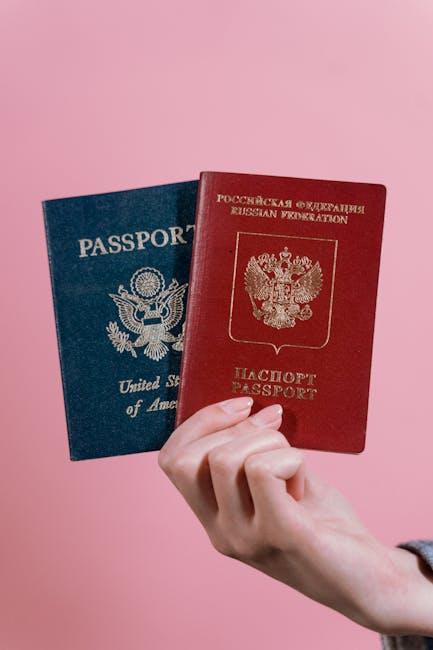
Understanding Dual Nationality and Its Emotional Landscape
Navigating the territory of dual nationality often unfolds as an intimate journey through a complex emotional landscape. Individuals may find themselves woven between the pride of belonging and the challenge of negotiating contrasting cultural norms. This duality breeds a unique set of feelings, such as joy in embracing diverse traditions, but also uncertainty when choosing where one truly feels “at home.” Emotional pangs of divided loyalty or the search for acceptance can be daily companions, while the richness of two cultural perspectives offers profound personal growth and resilience.
Embracing dual nationality means living a life enriched by multiplicity. Each nationality offers distinct values and experiences that contribute to a layered self-identity. To understand this emotional fabric better, consider these common threads woven through many dual citizens’ experiences:
- Belonging and Alienation: Simultaneously feeling part of two worlds and yet sometimes estranged from both.
- Tradition and Modernity: Balancing heritage customs with contemporary values encountered in different societies.
- Flexibility and Ambiguity: Fluid identity perspectives that allow adaptability but also create internal conflicts.
| Emotional Element | Dual Nationality Experience |
|---|---|
| Belonging | Feeling embraced by multiple cultures |
| Conflict | Negotiating competing cultural expectations |
| Identity | Weaving a personal story through diverse backgrounds |
| Growth | Gaining broader perspectives and empathy |
Balancing Cultural Heritage with Contemporary Identity
Embracing two cultures means weaving traditions with modern influences, creating a unique tapestry of identity that is both rich and evolving. This delicate balance often requires individuals to blend customs in everyday life, from the food they savor to the languages they speak at home or among friends. It is a personal journey of selecting what resonates, while respecting the roots that shaped their upbringing. The experience can foster resilience and creativity, as one learns to navigate challenges and celebrate dual narratives.
To maintain harmony between heritage and contemporary identity, some people practice rituals that honor their ancestry, while also adopting new traditions that reflect their current environment. Here are key approaches many take:
- Intentional storytelling: Sharing family history alongside personal experiences.
- Cultural fusion: Blending elements of dress, music, or cuisine to honor both worlds.
- Community engagement: Participating in cultural events and groups from both backgrounds.
| Aspect | Heritage Influence | Contemporary Expression |
|---|---|---|
| Language | Native tongue in home | Fluent use of local language |
| Food | Traditional family recipes | Modern cooking styles & fusion dishes |
| Celebrations | Religious/cultural festivals | Inclusive social gatherings |
Legal Complexities and Rights in Dual Citizenship
Embracing two nationalities means navigating a labyrinth of legal frameworks, each with its own set of rights, obligations, and restrictions. From voting privileges to tax liabilities, dual citizens often find themselves balancing the responsibilities imposed by both nations. Understanding the nuances of each country’s laws is crucial to prevent inadvertent violations. For instance, some countries require mandatory military service, while others impose stringent rules about holding certain public offices. This complexity necessitates continual awareness and informed decisions, especially when laws evolve or clash.
Moreover, dual citizenship can impact travel freedom, property ownership, and inheritance rights, all of which vary widely. Below is a simplified comparison illustrating some typical rights and limitations:
| Aspect | Country A | Country B |
|---|---|---|
| Voting Rights | Allowed in national elections | Allowed only in local elections |
| Military Service | Mandatory (18 months) | Optional |
| Income Tax | Based on worldwide income | Based on residency |
| Property Ownership | Unlimited | Restricted to specific zones |
| Inheritance Laws | Equal rights for dual nationals | Preference for citizens over residents |
- Consult legal experts to interpret overlapping laws effectively.
- Stay updated on bilateral treaties that may affect your dual citizenship status.
- Maintain thorough documentation to ease administrative processes across borders.
Strategies for Embracing Multiple Identities Confidently
Confidently embracing multiple identities begins with an intentional mindset shift—view your diverse cultural experiences not as conflicting forces but as enriching layers of your personal narrative. Celebrate the nuances that come with dual nationality by weaving traditions, languages, and customs into your everyday life. This approach transforms identity from a static label into a dynamic journey, where you can fluidly navigate—and proudly express—the different facets that shape who you are.
Practical strategies can anchor this internal harmony and boost self-assurance. For example:
- Curate a cultural calendar: Mark important holidays and events from both heritages to actively engage with each world.
- Create symbolic rituals: Incorporate elements from your multiple identities in daily routines, from cooking traditional meals to using multilingual expressions.
- Build a support network: Surround yourself with individuals who appreciate and understand the complexities of bicultural identity.
| Strategy | Benefit |
|---|---|
| Cultural Calendar | Maintains connection and mindfulness |
| Symbolic Rituals | Fosters daily identity affirmation |
| Support Network | Encourages emotional resilience |
Building Bridges Between Two Worlds Through Community and Dialogue
At the heart of embracing dual nationality lies the power of community connections. When individuals find a space where stories blend and cultures intertwine, a shared sense of belonging flourishes. These connections act as bridges, allowing voices from both worlds to echo in harmony rather than in conflict. Through communal events, language circles, and cultural celebrations, people create a vibrant mosaic that honors the richness of multiple heritages while fostering mutual understanding and respect.
Dialogue plays an equally vital role, serving as the catalyst for empathy and growth. When conversations traverse beyond surface-level identities, they reveal the nuanced emotions and experiences that often go unnoticed. Consider the following key benefits of engaging in open dialogue:
- Building empathy: Understanding diverse perspectives brightens the path to acceptance.
- Breaking stereotypes: Personal stories dismantle misconceptions and broaden awareness.
- Fostering resilience: Shared struggles create supportive networks that empower individuals.
| Aspect | Community Role | Dialogue Impact |
|---|---|---|
| Identity | Cultivates pride in heritage | Clarifies personal and cultural complexity |
| Belonging | Creates shared experiences | Enhances mutual understanding |
| Growth | Fosters supportive networks | Encourages open-mindedness |
In Conclusion
In the delicate dance of dual nationality, individuals weave together threads of two cultures, crafting identities that resist simple definition. Navigating these intertwined worlds is less about choosing one path over another and more about embracing the richness that arises from crossing borders—both geographic and emotional. As the lines between nations blur, so too do the boundaries of identity, inviting us to reconsider what it means to belong. Ultimately, living between two worlds is not a challenge to be solved but a journey to be lived, a mosaic of experience that reflects the ever-changing landscape of the human story.




