
In a world increasingly defined by movement, connection, and global opportunity, the concept of identity stretches beyond the boundaries of a single nation. Dual nationality, once a niche legal status, has become a practical reality for millions seeking to bridge cultures, careers, and communities. At the heart of this phenomenon lies the dual national passport—a document that embodies the delicate balance between two sovereign loyalties. This article sets out to unravel the complexities and conveniences of holding dual citizenship through the lens of the dual national passport, guiding readers through its privileges, challenges, and the evolving role it plays in our interconnected world.
Understanding Dual Nationality and Passport Eligibility
In today’s globalized world, holding multiple citizenships has become more common, reflecting the fluidity of identities and allegiances across borders. Balancing legal, cultural, and emotional ties between countries, dual nationality can offer unique advantages such as expanded travel freedom, access to diverse social services, and political participation in more than one nation. However, this privilege also comes with a set of intricate rules that vary widely from country to country, influencing eligibility for passports and determining citizens’ rights and responsibilities.
When exploring passport eligibility through dual nationality, consider several pivotal factors including:
- Country-specific laws: Some nations fully support dual citizenship, whereas others impose restrictions or require renunciation of previous citizenships.
- Residency requirements: Often, physical presence or long-term residence is necessary to qualify for passport issuance under dual nationality.
- Documentation and proof: Accurate, official documentation is crucial in proving eligibility, ranging from birth certificates to proof of descent or marriage.
| Country | Dual Nationality Allowed? | Typical Eligibility Criterion |
|---|---|---|
| Canada | Yes | Birth or naturalization |
| Japan | Restricted | Renunciation by age 22 |
| Australia | Yes | Birth, descent, or citizenship test |
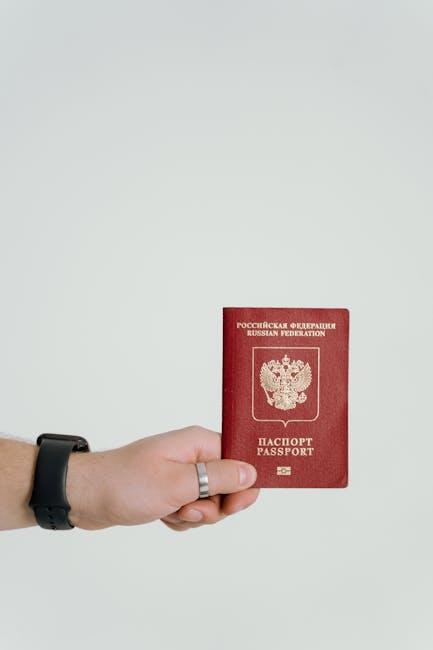
Benefits and Challenges of Holding Multiple Passports
Possessing multiple passports can open a world of opportunities, making international travel and business ventures much more efficient and flexible. Visa-free travel to numerous countries is often a key advantage, providing easier access and reduced bureaucracy. Dual nationals can also benefit from diverse social services, healthcare options, and educational opportunities available in more than one country. Moreover, holding multiple passports can be a strategic asset during geopolitical tensions, offering a safety net and alternative legal protections.
However, juggling multiple citizenships is not without its hurdles. Understanding and complying with the varying tax regulations, military service obligations, and legal responsibilities in each country can overwhelm even seasoned dual nationals. Additionally, there can be security concerns, such as passport validity discrepancies or travel restrictions imposed due to diplomatic conflicts. Consider the following summary of the common benefits and challenges:
| Benefits | Challenges |
|---|---|
| Increased travel freedom | Complex tax filings |
| Access to multiple social services | Potential dual military duties |
| Business and investment flexibility | Legal compliance complexity |
| Backup citizenship in crises | Possible travel restrictions |
Legal Considerations When Traveling with Dual National Passports
When carrying dual national passports, travelers must navigate a complex legal landscape that varies widely from country to country. Some nations may recognize dual citizenship with little fuss, while others impose strict rules that affect entry, exit, and even the obligations tied to each nationality. Failing to declare the use of a particular passport can lead to complications such as denied entry or unexpected legal responsibilities. It is advisable to research the specific visa requirements, customs regulations, and reporting rules before the journey to ensure seamless border crossings. Additionally, understanding which passport should be prioritized for entry and exit can help avoid fines or detention.
Moreover, it’s important to be aware of how each country treats dual citizens concerning military service, taxes, and consular support. In some cases, dual nationals may be subject to the laws of both countries simultaneously, which could create conflicts or double taxation. Below is a simple comparison highlighting key legal considerations when traveling with dual passports:
| Aspect | Country A | Country B |
|---|---|---|
| Recognition of Dual Citizenship | Permitted with official declaration | Not recognized, may revoke citizenship |
| Passport Use at Border | Use local passport on entry/exit | Use either passport, declare nationality |
| Military Service | Mandatory if aged 18-25 | No conscription for dual nationals |
| Tax Obligations | Taxed on worldwide income | Taxed only on local income |
Tips for Managing Dual Citizenship Document Requirements
Successfully juggling the paperwork of dual citizenship means mastering the art of organization. Start by creating a dedicated folder—physical or digital—exclusively for your dual nationality documents. Inside, maintain a clear inventory list that details each document’s purpose, expiration date, and renewal requirements. Don’t underestimate the power of reminders; utilize calendar alerts synced across devices to flag upcoming renewals or embassy appointments. This proactive approach prevents last-minute scrambles and ensures every document is primed for travel or official use.
Understanding the nuances between different countries’ requirements is essential. Some nations mandate translation or notarization of documents, while others have specific format standards. Consulting official embassy websites or legal experts saves time and frustration. Below is a quick reference guide highlighting common requirements for dual citizenship documentation:
| Document Type | Common Requirements | Renewal Frequency |
|---|---|---|
| Passport | Biometric photo, embassy visit | Every 5-10 years |
| Birth Certificate | Certified copy, translated | One-time submission |
| Naturalization Certificate | Notarization, apostille | One-time submission |
| Residency Permit | Proof of address, renewal application | 1-3 years |
Strategies for Maximizing Travel Flexibility with Dual Passports
Harnessing the power of dual passports unlocks a world of possibilities for travelers aiming to evade common border restrictions and optimize visa access. To truly maximize this flexibility, it’s essential to strategically select which passport to present based on the destination and current geopolitical climate. For instance, using one nationality for visa-free entry and the other for more favorable consular support can significantly streamline your journey. Keep a digitized copy of both passports handy to reduce time during security checks and be ready to explain dual citizenship if asked.
Adopting practical habits can further elevate your travel experience:
- Plan your entry and exit points by researching which passport grants easier access to specific countries.
- Avoid triggering red flags by mixing passport usage logically—frequent switches might invite scrutiny.
- Use one passport consistently in certain regions to build a travel history.
- Be mindful of local laws, as some countries do not recognize dual citizenship or place restrictions on the use of other passports.
| Region | Best Passport to Use | Key Benefit |
|---|---|---|
| Europe | EU Passport | Visa-free Schengen access |
| Asia | Non-EU Passport | Simplified visa issuance |
| Americas | US Passport | Widespread consular support |
Concluding Remarks
As we close the chapter on the intricate world of dual national passports, it’s clear that these unique documents are more than just travel tools—they are gateways to identity, opportunity, and connection across borders. Navigating the complexities of holding two passports requires a blend of awareness, responsibility, and respect for the laws that shape them. Whether for personal roots, professional pursuits, or the simple love of exploration, understanding the dual national passport is key to turning the world into a place without limits. In the end, the journey of crossing borders is not just about where you go, but who you carry with you—your heritage, your rights, and your story, all bound within the passport’s quiet folds.




