
In an increasingly interconnected world, holding a single passport no longer defines the entirety of one’s identity—or mobility. Dual passports, once a rarity, have become a fascinating reality for many global citizens, opening doors to new opportunities while unveiling a complex landscape of legalities and loyalties. Navigating this unique crossroads reveals both the enticing perks of expanded freedom and the potential pitfalls that come with juggling two national allegiances. This article sets out to explore the intricate balance of benefits and challenges faced by those who live—and travel—between two worlds.
Understanding Dual Passports and Their Global Advantage
Holding citizenship in two countries opens a gateway to a world of opportunities while also posing unique challenges. Dual passports empower travelers with enhanced mobility, allowing visa-free or visa-on-arrival access to a significantly broader range of destinations. This freedom can expedite business deals, facilitate personal connections, and enrich cultural experiences. Moreover, individuals can leverage dual citizenship to enjoy the social benefits, healthcare systems, and educational opportunities of both nations, creating a safety net that offers security in uncertain times.
However, juggling two passports isn’t without its complications. Travelers must navigate differing legal obligations, such as tax laws and conscription duties, which may apply simultaneously. Managing these responsibilities requires a clear understanding of each country’s policies to avoid unexpected penalties. Additionally, some nations restrict or do not recognize dual citizenship, potentially causing issues with travel, residency, or political rights. Here’s a quick snapshot of common advantages and considerations:
- Advantages: Expanded travel freedom, diversified economic opportunities, dual legal protections
- Considerations: Complex tax implications, compulsory military service, potential diplomatic conflicts
| Aspect | Benefit | Challenge |
|---|---|---|
| Travel | Access to 180+ visa-free countries | Possible visa restrictions in some regions |
| Legal Rights | Right to live and work in two countries | Complicated tax filing and reporting |
| Social Benefits | Healthcare and education options | Obligation to serve if required by law |
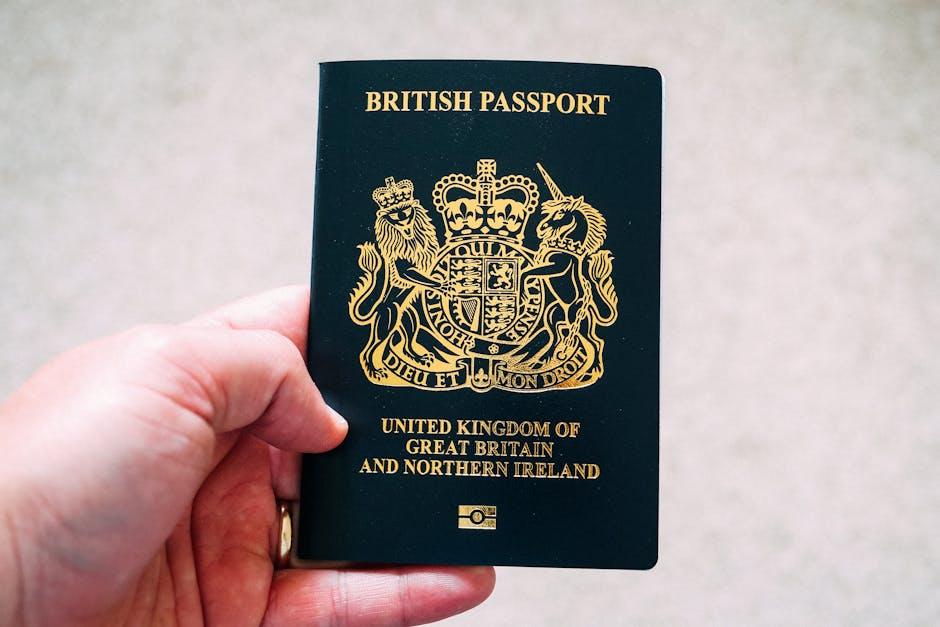
Legal Complexities and How to Stay Compliant
Juggling multiple citizenships comes with a maze of legal responsibilities that can quickly become overwhelming if not managed carefully. Each country has its own set of rules regarding taxes, military service, and reporting requirements. Being unaware of these obligations could lead to hefty fines or even loss of citizenship. To navigate this landscape effectively, it’s crucial to maintain an up-to-date understanding of the laws in both countries, as well as any international treaties that might apply. Engaging a tax professional or legal advisor who specializes in dual nationality can save time, money, and stress in the long run.
Compliance becomes simpler when you focus on a consistent set of checkpoints. Here are a few critical practices to keep in mind:
- Regularly file tax returns in all relevant jurisdictions to avoid penalties.
- Declare foreign assets and income transparently to government authorities.
- Stay informed about mandatory military or civil service, especially for younger generations.
- Renew passports and IDs promptly to prevent travel interruptions.
| Country | Tax Residency Rules | Military Obligations |
|---|---|---|
| Country A | Worldwide income taxed | Mandatory for males 18-25 |
| Country B | Taxed if income exceeds threshold | No military service required |
Maximizing Travel Freedom Without Raising Red Flags
Owning multiple passports can open doors to a world of convenience, allowing you to breeze through immigration checkpoints and access more destinations without the hassle of lengthy visa applications. However, the key to leveraging this advantage lies in maintaining a low profile and avoiding any actions that may trigger suspicion. Travelers with dual citizenship should always keep travel documents updated, record entry and exit stamps accurately, and avoid discrepancies in travel history. Opting for a consistent narrative when asked about your travel purpose or length of stay ensures smooth interactions with border officials.
- Maintain clear documentation: Carry both passports and relevant paperwork, including visas or residency permits.
- Stay consistent: Use the same passport for round trips whenever possible to reduce confusion.
- Respect local laws: Adhere to the rules of the country you’re entering, even if your other nationality offers more leniency.
To help manage your travel effectively, consider this comparison of dual passport usage strategies:
| Strategy | Pros | Cons |
|---|---|---|
| Use Passport A consistently | Clear travel history, simpler questioning | May miss out on benefits of Passport B |
| Alternate passports per destination | Maximize visa-free access, flexibility | Potential for flagged irregularities |
| Combine passports tactically | Optimizes freedom, helps evade travel bans | Requires careful record keeping, higher risk |
Financial Benefits and Tax Implications to Consider
Holding dual passports can open doors to a myriad of financial advantages, especially for global nomads and savvy investors. With access to two different banking systems, you can diversify your financial portfolio, benefit from varied investment opportunities, and potentially reduce transaction fees by operating in local currencies. Furthermore, having the ability to live and work in two countries may enable you to optimize your income streams by strategically locating yourself in regions with favorable economic climates or lower costs of living. It’s an effective way to build a financial safety net that spans continents.
However, the tax implications should not be underestimated. Dual citizenship often means navigating the complexities of tax residency, which can lead to overlapping tax obligations. Countries may have different rules about declaring foreign income or assets, and failure to comply can result in penalties. Use the table below to get a snapshot of common tax considerations between two hypothetical countries:
| Tax Aspect | Country A | Country B |
|---|---|---|
| Income Tax Rate | 15-30% | 20-35% |
| Foreign Income Reporting | Required annually | Only if above $10,000 |
| Wealth Tax | No | Yes, on assets over $1 million |
| Double Taxation Treaty | Yes | Depends on your country of origin |
Before embracing the financial perks of dual citizenship, it’s crucial to consult with tax professionals who understand the nuances of international law to maximize benefits and avoid costly pitfalls.
Practical Tips for Managing Multiple Identities Safely
When juggling multiple identities, organization is your best ally. Maintain separate, secure folders—digital or physical—for each passport’s documents, visas, and related correspondence. Use password-protected cloud storage to ensure that sensitive data remains both accessible and safeguarded. Avoid mixing travel plans or documentation among identities to prevent clearance delays or security red flags at border control. Regularly update your digital info and ensure that contact details are current in every registry associated with your identities.
Equally important is understanding the legal landscape surrounding your passports. Different countries have varying rules about dual nationality and travel documentation. Consult the latest government resources or legal advice before making big moves, such as changes in residency or employment status. Here’s a quick reference table outlining key points to keep in mind:
| Aspect | Best Practice | Common Pitfall |
|---|---|---|
| Document Storage | Separate, encrypted digital folders | Mixing files causing confusion |
| Legal Compliance | Consult official sources regularly | Ignoring travel visa requirements |
| Travel Planning | Align travel with each passport’s benefits | Using wrong passport at checkpoints |
Concluding Remarks
In the ever-shrinking world of travel and identity, dual passports stand as both keys and puzzles—unlocking new horizons while demanding careful navigation. Embracing the privileges they offer requires an equally mindful awareness of the complexities they bring. Whether viewed as gateways to opportunity or as intricate diplomatic threads to untangle, dual citizenships remind us that belonging can be as multifaceted as the world itself. As you chart your own course through borders seen and unseen, may this exploration guide you toward choices that harmonize freedom with responsibility, and adventure with astute foresight.




