
In a world historically defined by the rigid lines of maps and the echo of national anthems, a new narrative is blossoming—one that transcends traditional borders and redefines the concept of identity. As global migration, digital connectivity, and cultural exchange continue to weave societies ever closer, the rise of multi-national identities emerges as a poignant testament to our evolving human experience. This article embarks on a journey through this dynamic landscape, exploring how individuals today embrace the complex tapestry of multiple heritages, languages, and allegiances, forging identities that are as fluid and diverse as the world they navigate.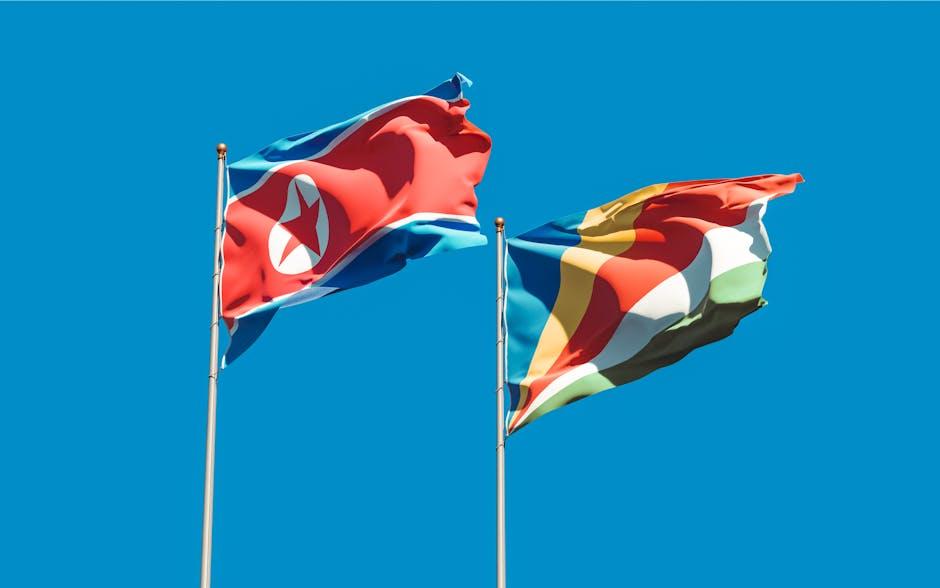
The Evolution of Identity in a Globalized World
In an age where digital borders blur and cultural exchanges flourish like never before, the concept of self is no longer confined to traditional national labels. Individuals today weave together rich tapestries of identity—from the languages they speak to the cuisines they savor, and even the values they uphold. This multifaceted sense of belonging challenges the rigidity of singular nationality and celebrates the fluidity of hybrid identities. The modern global citizen is less about choosing one flag and more about embracing a constellation of influences that shape a uniquely personal worldview.
Exploring this transformation reveals several key elements fueling the rise of multi-national identities:
- Cross-border technology: Enabling instant communication and virtual community building across continents.
- Transnational migration: Creating family and social networks that span multiple countries.
- Global media and culture: Blending artistic expressions, entertainment, and ideas that transcend origins.
| Aspect | Traditional Identity | Multi-National Identity |
|---|---|---|
| Language | Single native tongue | Multiple languages spoken fluently |
| Belonging | One nation-state | Multiple cultural affiliations |
| Values | National customs | Hybrid social norms |

Cultural Fluidity and the Redefinition of Belonging
In an era marked by unprecedented mobility and digital interconnectedness, identity no longer clamps into fixed, monolithic constructs. People increasingly inhabit multiple cultural spaces simultaneously, weaving diverse traditions, languages, and values into their daily lives. This dynamic interplay fosters cultural fluidity, where belonging shifts from rigid national borders to more expansive, inclusive communities rooted in shared experiences rather than geography alone.
The traditional idea of belonging as a single nationality or ethnicity gives way to nuanced affiliations that reflect hybrid identities. Consider the enriched perspectives of those who navigate between heritage and contemporary global influences, creating multifaceted worldviews. This transformation manifests in:
- Transcultural celebrations blending customs and festivals
- Adaptive language practices, mixing dialects and tongues
- Multi-ethnic social networks extending beyond physical borders
Such fluidity redefines how communities form, challenge stereotypes, and invite broader empathy towards multiplicity and diversity.
Challenges and Opportunities in Navigating Multiple National Loyalties
Navigating multiple national loyalties often means balancing a rich tapestry of traditions, languages, and expectations, which can both enrich and complicate personal identity. Individuals may encounter internal conflicts, as the question of where their primary allegiance lies becomes blurred, leading to feelings of fragmentation or exclusion. Society, in turn, might struggle to accommodate these complex identities, occasionally resulting in legal and social challenges such as citizenship issues, voting rights, or access to public services. However, these challenges also spark important conversations about the fluidity of identity and the evolving notion of nationhood itself.
On the flip side, embracing multiple national loyalties opens unprecedented opportunities for cultural exchange and innovation. People with diverse backgrounds often act as cultural bridges, fostering understanding and collaboration between countries. Their multifaceted perspectives are invaluable in globalized workplaces, diplomacy, and social movements, where nuanced viewpoints drive progress. Below is a snapshot of how individuals with multiple national loyalties contribute across various sectors:
| Sector | Impact | Example |
|---|---|---|
| Arts & Culture | Fusion of diverse traditions | Multilingual literature |
| Business | Expanding global markets | Cross-border startups |
| Diplomacy | Enhanced negotiation skills | International mediators |
| Education | Inclusive curricula | Global citizenship programs |
Fostering Inclusive Communities Through Cross-Border Understanding
In a world where borders often define divisions, the true spirit of community flourishes when we look beyond boundaries to embrace shared experiences and cultural intersections. At the heart of this transformation is a powerful commitment to dialogue, empathy, and cooperation. When individuals from diverse backgrounds come together, they create a vibrant tapestry of identities that transcends nationality alone. This synthesis of perspectives nurtures innovation, resilience, and a deeper understanding of humanity’s common threads.
Key elements that contribute to building such enriched, open societies include:
- Language exchange programs that enhance communication and break down stereotypes
- Collaborative cultural festivals that celebrate traditions while encouraging mutual respect
- Educational initiatives promoting histories and narratives from multiple viewpoints
- Community-led dialogues that address challenges and inspire inclusive solutions
| Initiative | Purpose | Impact |
|---|---|---|
| Cultural Exchange Workshops | Foster empathy through shared creativity | Stronger social cohesion |
| Bi-national Education Programs | Expand historical perspectives | Mutual respect and awareness |
| Cross-border Volunteering | Encourage active contribution | Empowered, united communities |
Practical Steps for Embracing and Celebrating Multi-National Identities
Living between cultures offers a unique tapestry of experiences, and embracing this diversity creates a richer personal narrative. To start, immersing yourself in each culture’s traditions allows for genuine appreciation and deeper connection. Engage in local festivals, learn the native languages, and savor authentic cuisines—not just as an observer but as a participant. Cultivating friendships across borders with openness and curiosity transforms identities into bridges rather than boundaries. Additionally, document your journey through journaling or creative expression to capture the evolving mosaic of your multi-national identity.
Practical organization of your multi-national experience can also enhance the celebration of your diverse heritage. Consider creating a personal cultural calendar that highlights important holidays and milestones from each nation, ensuring you honor and preserve these moments throughout the year. Below is an example of a simplified cultural calendar to inspire your approach:
| Culture | Key Celebration | Typical Activity |
|---|---|---|
| Japanese | Cherry Blossom Festival | Hanami picnics |
| Mexican | Day of the Dead | Family altars and marigold decorations |
| French | Bastille Day | Fireworks and parades |
- Celebrate shared values by identifying commonalities between your cultures, creating a unique hybrid identity that you carry proudly.
- Educate others by sharing your cultural heritage in your community or online, fostering acceptance and dismantling stereotypes.
To Wrap It Up
As the lines on maps blur and borders become more permeable, the rise of multi-national identities invites us to reimagine the very concept of belonging. In embracing the fluidity of our modern world, we find that identity no longer fits neatly into a single box but is instead a vibrant mosaic of experiences, cultures, and languages. This evolving tapestry challenges us to celebrate complexity rather than seek simplicity, fostering connections that transcend geography and history. Ultimately, the story of multi-national identities is not just about crossing borders—it is about redefining who we are in an interconnected world, where the richness of many roots nourishes a shared human future.




