
In an increasingly interconnected world, the journey of immigration is both a hopeful adventure and a complex challenge. Whether you are stepping into a new country for work, study, family, or refuge, the pathway is marked by a series of crucial documents—each one a key that unlocks the door to new opportunities and legal security. Navigating this landscape can feel like deciphering an intricate map, where missing a single form or detail can alter the course entirely. This guide aims to illuminate the essential immigration documents you need to know, helping you move forward with clarity and confidence on your journey to a new beginning.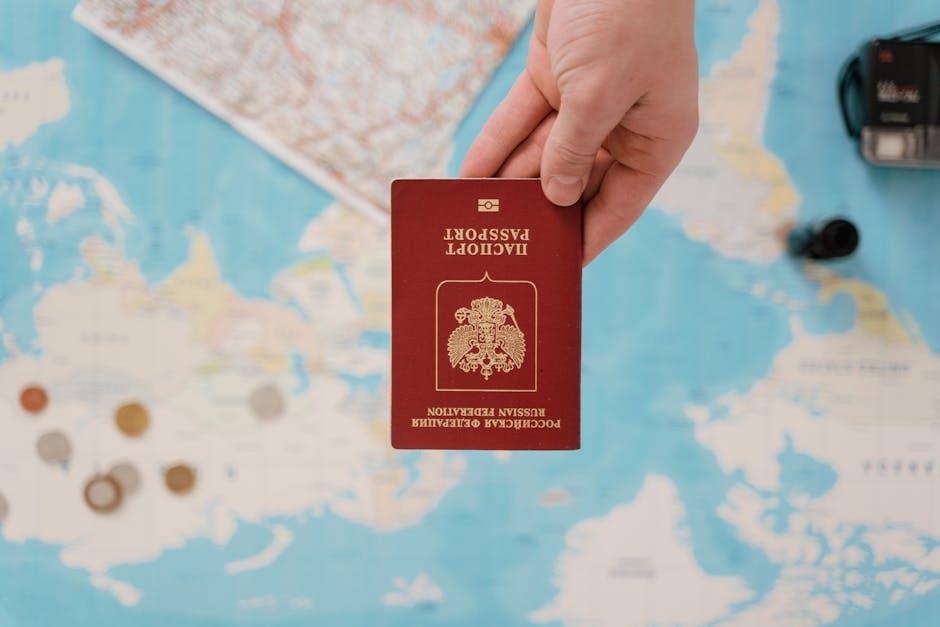
Understanding Key Immigration Documents and Their Roles
When embarking on the immigration journey, understanding the variety of documents involved can feel overwhelming, yet each plays a vital role in ensuring a smooth transition. Among these, the passport acts as the ultimate proof of identity and nationality, while visas grant permission to enter or stay within a country for specific purposes and durations. Meanwhile, documents like the green card or permanent resident card symbolize lawful residency and open pathways to greater opportunities such as employment and education. Each piece of paperwork not only serves legal purposes but often influences your rights and responsibilities during your stay.
It’s essential to recognize how these documents interact and are used throughout the immigration process. Here’s a quick overview:
- Passport: International travel and identity verification.
- Visa: Entry permission, often categorized (tourist, student, work).
- Work Permit: Authorization to work in the host country.
- Permanent Resident Card: Proof of permanent residence status.
- Citizenship Certificate: Evidence of naturalized citizenship.
| Document | Primary Role | Typical Validity |
|---|---|---|
| Passport | Identity & Nationality Proof | 5-10 years |
| Visa | Entry & Stay Authorization | Varies by category |
| Work Permit | Legal Work Authorization | Usually 1-3 years |
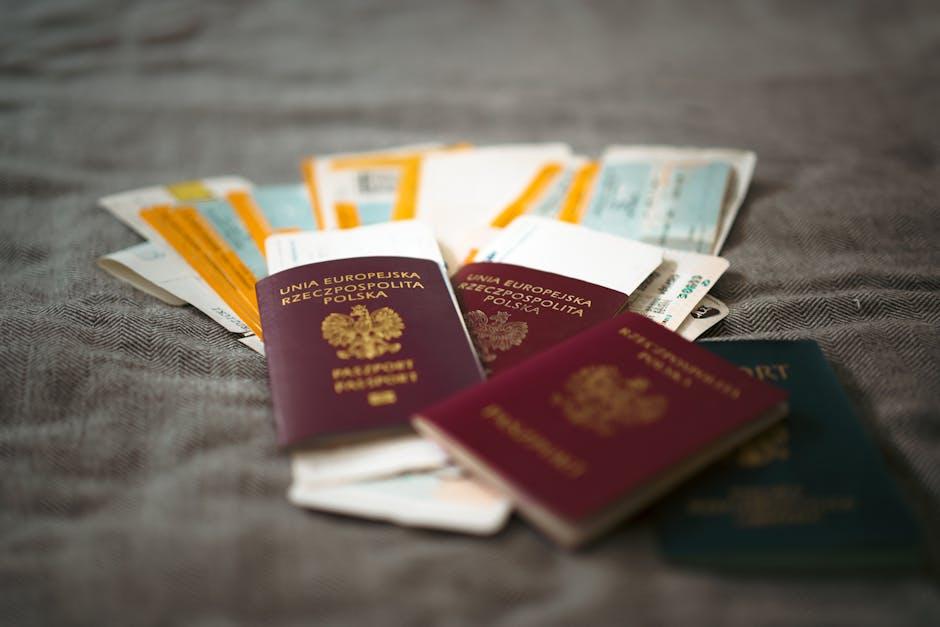
Preparing Accurate and Complete Paperwork for Successful Applications
Accuracy in your documentation is the linchpin of a smooth application process. Every detail, from names and dates to numerical identifiers, must be meticulously checked and double-checked. Incomplete or incorrect paperwork can lead to delays, additional scrutiny, or outright rejection. To ensure precision, develop a checklist tailored to your specific immigration needs, and keep digital and physical copies of every form you submit. Remember to update your records promptly if there are changes in your personal circumstances or legal status.
Completeness goes beyond just filling out forms; it’s about compiling a comprehensive portfolio that showcases your eligibility. Essential documents often include:
- Valid identification such as passports or national IDs
- Proof of residence or employment in the destination country
- Financial statements to demonstrate economic stability
- Supporting letters from employers, sponsors, or family
- Medical or background checks as required by immigration authorities
Use the following table to organize your paperwork checklist effectively:
| Document | Required For | Notes |
|---|---|---|
| Passport | Identification | Must be valid for 6+ months |
| Employment Letter | Work Visa | On official letterhead |
| Bank Statement | Proof of Funds | Recent 3 months’ statements |
Navigating Common Challenges and How to Overcome Them
One of the most frequent obstacles faced during the immigration process is document misplacement or incorrect submission. To avoid delays, always maintain an organized filing system—whether digital or physical—that categorizes your papers by type and deadline. Keep multiple copies of original documents and important forms. When filling out applications, double-check every detail to ensure names, dates, and identification numbers exactly match the corresponding official documents. Misalignment in these particulars often leads to requests for additional evidence, thereby prolonging your journey.
Confusion over required documents can also stall progress, especially since immigration requirements vary widely by destination and visa type. Here’s a quick reference to help keep you on track:
| Common Document | Purpose | Tip for Success |
|---|---|---|
| Passport | Proof of identity and nationality | Ensure it’s valid for at least 6 months beyond your intended stay |
| Visa Application Form | Formal request for entry permission | Complete electronically where possible to avoid errors |
| Financial Statements | Demonstrate the ability to support yourself | Use recent, authentic bank or employer letters |
| Medical Certificates | Show health status compliance | Get certified by authorized medical practitioners |
- Stay informed: Check embassy websites regularly for updates or changes
- Use checklists: Tailored to your visa type, these reduce oversight
- Seek professional advice: Consultants or legal experts can guide through complex dossiers
Tips for Organizing and Safeguarding Your Important Immigration Papers
Keeping your immigration documents in perfect order is an essential step to ensure a smooth process through every stage of your journey. Begin by creating a dedicated, clearly labeled folder—physical or digital—where all papers can be stored safely together. Utilize color-coded tabs or labels to categorize items like passports, visas, application receipts, and correspondence. For digital copies, secure them in an encrypted cloud storage service and back them up on an external drive, ensuring access even if original documents are misplaced or stolen.
Additionally, consider maintaining a detailed inventory table that logs each document’s name, issue date, expiration date, and location. This simple system can save time and reduce stress when you need to find a specific paper quickly. Below is a sample layout that you can tailor to your specific needs:
| Document | Issue Date | Expiry Date | Storage Location |
|---|---|---|---|
| Passport | Jan 2022 | Jan 2032 | Fireproof Safe |
| Visa Approval Notice | May 2023 | N/A | Folder: Blue Tab |
| Work Permit | June 2023 | June 2025 | Encrypted Cloud |
- Regularly update your inventory and check document validity
- Use waterproof sleeves for physical papers
- Share copies with trusted family or legal adviser
- Label digital files with consistent naming conventions
Leveraging Professional Resources for Expert Guidance and Support
When moving through the complex landscape of immigration documentation, tapping into the expertise of professionals can make a significant difference. Immigration lawyers, accredited consultants, and specialized agencies offer tailored advice that can streamline your application process and prevent common pitfalls. These experts bring a wealth of experience and up-to-date knowledge of changing laws, helping you prepare the right documents with confidence and accuracy.
Beyond legal professionals, numerous online platforms and community organizations provide valuable resources and assistance. Many offer free workshops, checklists, and one-on-one consultations designed to enhance your understanding and readiness. Consider leveraging these resources for detailed guidance on:
- Document verification to ensure all paperwork meets official standards.
- Translation and notarization services when required.
- Updates on policy changes that may affect your immigration path.
Utilizing these supports equips you with a comprehensive toolkit, empowering you to navigate the process with clarity and peace of mind.
In Conclusion
As you embark on the journey of immigration, understanding the essential documents becomes your compass in a complex landscape. Each form, certificate, and permit is more than just paperwork; it’s a key that unlocks new opportunities and safeguards your passage. By navigating these requirements with care and clarity, you transform uncertainty into confidence, turning the daunting into the doable. Remember, while the path may be intricate, your preparation is the map — guiding you steadily toward your new beginning.




