
In the intricate journey of immigration, paperwork often feels like navigating a sprawling maze—complex, confusing, and critical to your destination. Every form, application, and document represents a stepping stone, yet the sheer volume and variety can overwhelm even the most prepared traveler. This article aims to illuminate the essential insights on immigration documents, guiding you through the labyrinth with clarity and confidence. Whether you’re a hopeful newcomer or a seasoned navigator, understanding these key elements is vital to turning the maze into a manageable path.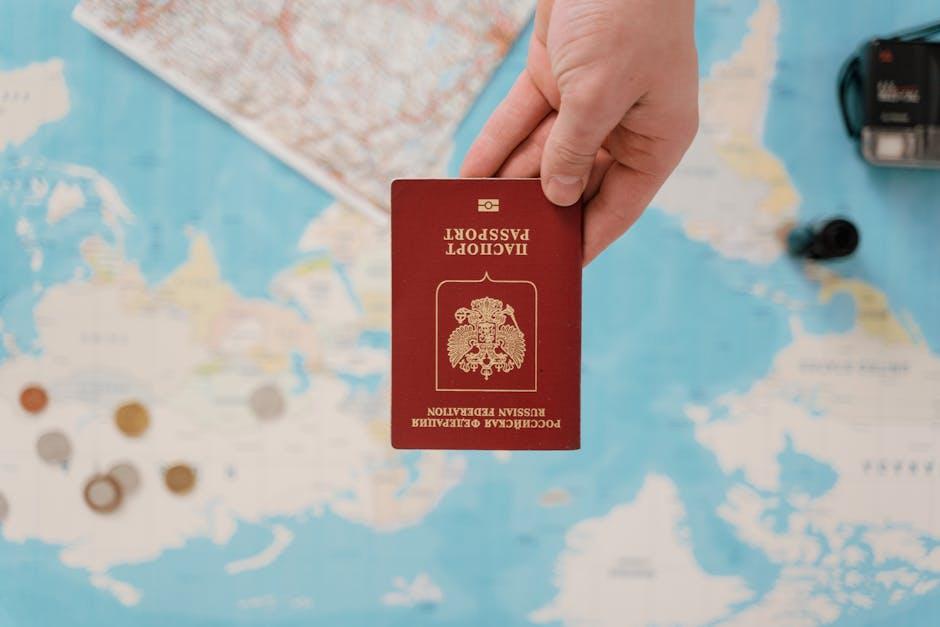
Understanding the Landscape of Immigration Documentation
Immigration documentation forms a complex web of paperwork that governs the legal journey of individuals crossing borders for work, study, or permanent residence. These documents—ranging from visas and permits to certifications and affidavits—serve as vital proof of status, eligibility, and compliance with host country regulations. Navigating this landscape requires a sharp understanding of each document’s purpose, expiration, and renewability, along with adherence to ever-evolving immigration policies.
Key documents typically encountered include:
- Visas: Authorization granting entry for a specific period and purpose.
- Work Permits: Allows individuals to engage in employment legally.
- Residence Cards: Proof of legal domicile within the country.
- Travel Documents: Facilitates movement across borders, sometimes replacing a national passport.
Understanding the differences and requirements of each document is essential. The table below illustrates a quick comparison of some common immigration documents:
| Document Type | Purpose | Validity | Renewable |
|---|---|---|---|
| Tourist Visa | Entry for leisure or short visits | 3-6 months | Rarely |
| Student Visa | Study in accredited institutions | Duration of studies | Yes |
| Work Permit | Legal employment | 1-3 years | Yes |
| Permanent Residency | Indefinite residence rights | Indefinite | Yes |

Key Types of Immigration Papers and Their Functions
Understanding the spectrum of immigration documents is crucial for anyone embarking on a journey to a new country. Each type serves a unique purpose, steering applicants through different aspects of legal residency, work, or travel. For instance, the Permanent Resident Card grants long-term living rights, while a Work Permit specifically authorizes employment. Temporary Visas often dictate the duration and terms of stay, and Asylum documents protect those fleeing persecution. These papers not only symbolize legal acceptance but also determine one’s access to social services, education, and employment opportunities.
To clarify the functions of common immigration papers, consider this concise overview:
| Document | Primary Function | Typical Holder |
|---|---|---|
| Green Card (Permanent Resident Card) | Legal permanent residency and work rights | Immigrants seeking long-term settlement |
| Work Visa/Permit | Authorization to work temporarily | Foreign professionals and laborers |
| Student Visa | Legal permission to study abroad | International students |
| Refugee/Asylum Card | Protection and residency for persecuted individuals | Individuals fleeing danger |
| Travel Visa | Short-term entry and stay permission | Tourists and short-term visitors |
Grasping these distinctions aids in streamlining the application process and reduces the risk of submitting incorrect forms, ensuring you stay inside the bounds of law while pursuing your new life chapter.
Common Challenges and How to Overcome Them
One of the most frequent obstacles faced during the immigration journey is the overwhelming complexity and volume of paperwork. Forms can be confusing, deadlines strict, and requirements vary enormously depending on the destination country. To navigate this maze, it’s crucial to stay organized and proactive. Creating a checklist of essential documents such as passports, visas, birth certificates, and financial records helps avoid last-minute scrambles. Additionally, consulting official government websites regularly ensures that you remain informed about any changes in immigration policies that could affect your applications.
Language barriers and misunderstanding legal jargon also pose significant challenges. Many applicants find the terminology obscure, making it difficult to fill out forms accurately. To combat this, consider utilizing professional translation services or immigration consultants who can interpret and clarify the documents for you. Below is a useful table summarizing key strategies to overcome common pitfalls:
| Challenge | Effective Solution |
|---|---|
| Complex Forms | Create detailed checklists and set reminders for deadlines |
| Policy Updates | Follow official immigration websites regularly |
| Language Barriers | Use professional translation or consultation services |
| Document Verification | Double-check all documents for authenticity and completeness |
Best Practices for Organizing and Safeguarding Your Documents
Safeguarding your immigration documents is crucial to avoid unnecessary delays or complications. Begin by digitizing all physical paperwork using a high-quality scanner, creating encrypted backups stored both in the cloud and on physical drives. Clearly label each digital file to reflect the document type and date, such as “Passport_2024” or “VisaApproval_March2023,” to facilitate quick retrieval. At home, designate a locked, waterproof filing box exclusively for originals and certified copies, ensuring they remain pristine and easy to locate when needed.
Consider adopting a color-coded system to categorize your paperwork by type or urgency, streamlining your organizational process. Below is an example framework:
| Category | Color | Storage Location |
|---|---|---|
| Passports & IDs | Blue | Top Drawer, Locked Box |
| Visa & Work Permits | Green | Second Drawer, Locked Box |
| Supporting Documents | Yellow | File Folder, Locked Box |
In addition, remain vigilant about who has access to these vital papers. Limit sharing to trusted individuals, and regularly review your inventory to replace expired documents or update versions. Incorporate simple routines—such as monthly quick checks—to maintain order and peace of mind as you navigate the complexities of immigration.
Expert Tips for Navigating Legal Processes Smoothly
When dealing with complex legal procedures, organization is your strongest ally. Keep all documents meticulously sorted by type and date, ensuring quick access when needed. Utilize digital tools to store copies securely, but always maintain physical backups in a safe location. Remember, understanding the specific requirements for each immigration document can save you from costly delays—review official guidelines regularly, and don’t hesitate to seek clarification directly from authorized sources.
Navigating bureaucracy often involves multiple steps that can feel overwhelming. To streamline the process, incorporate these practices into your routine:
- Create a checklist tailored to your particular immigration journey, updating it after each completed step.
- Schedule reminders for important deadlines to avoid last-minute rushes.
- Keep a communication log documenting all interactions with legal authorities, including dates, names, and summaries.
| Tip | Why It Helps |
|---|---|
| Regular Document Review | Ensures all paperwork is current and compliant |
| Professional Consultation | Provides expert guidance and mitigates risks |
| Timely Submissions | Avoids delays and potential penalties |
Future Outlook
As you unwind the threads of bureaucracy and peer into the intricate tapestry of immigration documents, remember that clarity often lies just beyond the maze. Each form, each stamp, each requirement is a piece of a larger puzzle — one that, when understood, can transform uncertainty into empowerment. Navigating this complex terrain may seem daunting, but with informed steps and steady resolve, the path forward becomes less a labyrinth and more a journey toward new horizons. Keep these insights close, and let them guide you confidently through every document and doorway that immigration may present.




