
In an increasingly interconnected world, the concept of holding more than one passport is no longer a rarity but a reality for millions. Dual nationality offers a unique bridge between cultures, economies, and opportunities, opening doors that a single passport might keep closed. Yet, alongside these enticing prospects lie a web of legal complexities and personal dilemmas that demand careful navigation. This article embarks on a journey through the landscape of passport dual nationality, unraveling its benefits and challenges to help you understand what it truly means to belong to two places at once.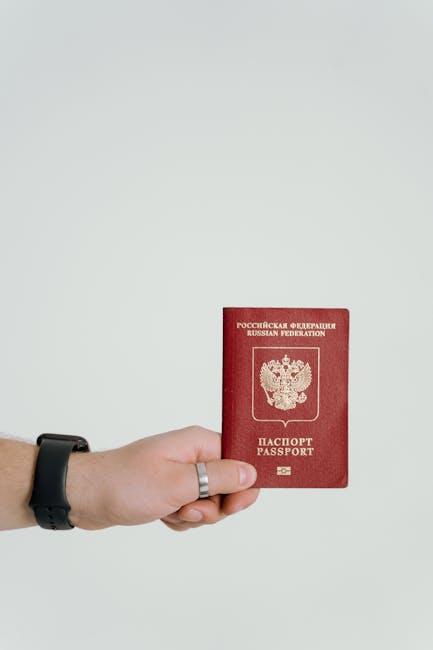
Understanding Dual Nationality Passport Rights and Responsibilities
Holding passports from two countries opens up a world of possibilities, but it also comes with a set of nuanced rights and obligations. Dual nationality allows you to travel more freely, access social services in both nations, and even participate in political processes such as voting or running for office. However, it’s essential to recognize that each country treats dual citizenship differently, impacting everything from taxation policies to military service requirements. Understanding these distinctions helps you navigate legal systems without surprises and embrace the benefits while mitigating potential complications.
To better illustrate the responsibilities attached to dual nationality, consider the table below outlining common rights and obligations:
| Aspect | Typical Dual Nationality Rights | Common Responsibilities |
|---|---|---|
| Travel | Use either passport to enter countries visa-free | Declare and adhere to entry/exit laws of both nations |
| Employment | Access to job markets in both countries | Pay taxes according to each country’s rules |
| Civic Duties | Right to vote and run for office | Obey laws, serve jury duty, or military if required |
- Stay informed: Regulations can change rapidly, so keep updated on the policies of both countries.
- Maintain documentation: Ensure your passports and related documents are valid and accessible at all times.
- Consult legal advisors: Professional guidance is invaluable in complex issues such as inheritance, taxation, and consular protection.
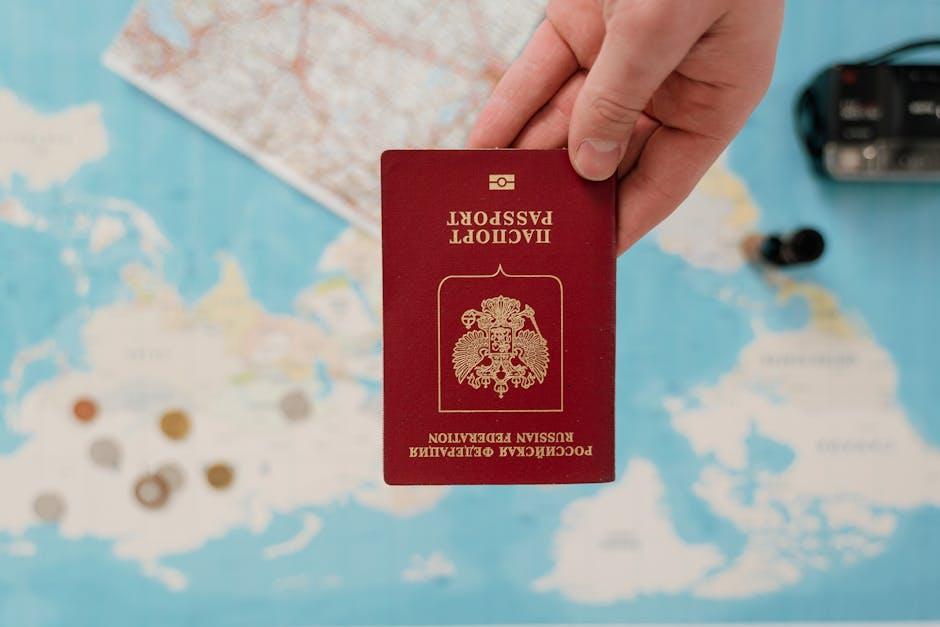
Exploring the Benefits of Holding Multiple Passports
Holding multiple passports unlocks a world of possibilities that go beyond simple travel convenience. For individuals with dual or multiple citizenships, it offers unparalleled freedom in global mobility—enabling seamless access to a broader range of countries without the need for cumbersome visa applications. Additionally, this flexibility often translates into economic advantages, such as the ability to invest, work, or access education in countries where one holds citizenship, often benefiting from lower tax rates or social services exclusive to citizens.
Beyond these tangible perks, multiple passports provide a significant layer of security and personal choice in an unpredictable world. In times of political unrest, economic instability, or global crises, having the right to reside in more than one country can be a personal lifeline. Some key benefits include:
- Enhanced diplomatic protection and consular assistance
- Diversified healthcare and social security options
- Access to a variety of cultural and social settings, enriching personal and professional life
- Options for children’s education and future citizenship prospects
| Benefit | Example |
|---|---|
| Visa-Free Travel | Holders can enter 150+ countries visa-free |
| Employment Flexibility | Work rights in multiple nations |
| Tax Planning | Access to favorable tax regimes |
| Emergency Exit | Escape routes during political crises |
Common Challenges and Legal Complexities to Consider
While dual nationality opens doors to diverse opportunities, it also presents a labyrinth of legal complexities that require careful navigation. Different countries maintain varying stances on dual citizenship, sometimes imposing restrictions that can affect everything from voting rights to military service obligations. Additionally, managing tax liabilities can be daunting, as dual nationals may be subject to taxation in both countries, depending on the respective tax treaties or lack thereof. Without thorough awareness, this can lead to unexpected financial burdens or even legal penalties.
Furthermore, dual nationals often face challenges related to bureaucratic processes and document requirements. Considerations such as passport renewals, consular protection, and residency laws may differ vastly between countries and can be confusing to manage simultaneously. Below is a concise comparison highlighting some frequent hurdles:
| Issue | Potential Challenge | Practical Concern |
|---|---|---|
| Military Service | Mandatory service in one or both countries | Unintended conscription |
| Tax Obligations | Double taxation risks | Complex tax filing requirements |
| Legal Conflicts | Contrasting laws on citizenship rights | Risk of losing citizenship |
| Travel Restrictions | Visa requirements despite dual passports | Unexpected entry denials |
Practical Tips for Managing Dual Citizenship Travel
When traveling with dual citizenship, strategic preparation becomes your best ally. Always carry both passports, as some countries require entry and exit with specific documents. It’s also wise to know the visa requirements for each nationality ahead of time—having both passports handy can sometimes open doors to visa waivers or more favorable entry conditions. Keep digital and physical copies of important documents like visas, travel insurance, and emergency contacts to avoid last-minute scrambles.
Customs and immigration officers may ask which nationality you’re traveling on, so be ready to answer confidently and honestly. Here are some useful tips to keep your journey smooth:
- Check passport expiration dates: Ensure both passports are valid for at least six months beyond your travel dates.
- Research country-specific entry rules: Some nations don’t recognize dual citizenship or require you to use a certain passport.
- Declare dual citizenship if asked: Transparency helps avoid potential legal issues.
- Register travel plans: Use embassy registration services in both countries for added safety.
| Situation | Recommended Action |
|---|---|
| Entering home country A | Use passport A |
| Visiting third country with visa waiver on passport B | Present passport B |
| Returning to home country B with mandatory exit stamp | Use passport B to avoid penalties |
| Uncertain entry requirements | Contact embassy or consulate in advance |
Strategies for Maintaining Compliance with International Laws
Navigating the maze of international legislation requires a proactive approach, especially when holding dual nationality. To successfully align with varied legal frameworks, organizations and individuals must embed a culture of continuous monitoring and adaptation. Regular audits of documentation and staying updated with immigration laws across the countries involved reduce the risk of inadvertent violations. Employing specialized legal counsel who can interpret nuances in bilateral treaties and local mandates ensures the right procedures are followed when traveling or residing abroad, preventing costly compliance failures.
Practical tools such as digital compliance trackers and centralized information repositories can ease the complexity of managing dual nationality obligations. It helps to maintain an up-to-date checklist of required renewals, visas, and reporting duties. The following checklist summarizes critical actions for maintaining compliance:
- Track visa and passport expiration dates diligently to avoid overstays.
- Understand tax reporting requirements in both countries.
- Keep abreast of changes in bilateral agreements affecting dual nationals.
- Maintain transparent communication with relevant consulates and authorities.
| Compliance Factor | Action | Benefit |
|---|---|---|
| Document Renewals | Set reminders 6 months before expiry | Avoid travel interruptions |
| Tax Filing | Consult cross-border tax expert yearly | Prevent double taxation |
| Legal Updates | Subscribe to legal newsletters | Early awareness of law changes |
The Way Forward
In the intricate dance of global identity, navigating the terrain of passport dual nationality reveals a world of opportunities and obstacles alike. While holding dual citizenship can unlock new horizons—be it travel freedom, cultural connection, or economic advantages—it also calls for thoughtful consideration of legal complexities and personal responsibilities. Ultimately, embracing dual nationality is more than a bureaucratic status; it is a nuanced journey that reflects the evolving nature of belonging in our interconnected world. As you explore this path, may you weigh both the benefits and challenges with clarity, crafting a narrative that best suits your unique story.




