
In an increasingly interconnected world, the concept of citizenship has evolved beyond singular affiliations and fixed borders. “Navigating Dual Realities: The Essence of Joint Citizenship” explores the intricate balance of belonging to two nations simultaneously—a unique identity shaped by layered legal frameworks, cultural narratives, and personal experiences. This article delves into how joint citizenship creates a dual lens through which individuals perceive their place in the world, embodying both distinct sovereignties and shared human experiences. As more people embrace this multifaceted status, understanding the nuances and implications of living between two realities becomes essential in grasping modern notions of nationality, belonging, and identity.
Understanding the Foundations of Joint Citizenship
At its core, joint citizenship embodies a dynamic intersection of identities, rights, and responsibilities. It allows individuals to weave the cultural, legal, and social fabrics of two nations into their everyday lives. This dual bond is not merely a legal status but a lived experience, where one navigates different societal norms while embracing the advantages of belonging to multiple communities. The essence lies in this delicate balance—where personal identity and civic duties harmonize, enriching the individual’s worldview while contributing uniquely to both nations.
Understanding this foundation requires appreciating the practical and symbolic dimensions of joint citizenship. It involves:
- Legal Recognition: Navigating the laws that grant rights such as voting, property ownership, and residency.
- Cultural Integration: Engaging with traditions, languages, and social expectations from both countries.
- Economic Opportunities: Access to work, education, and business avenues across borders.
- Mutual Obligations: Upholding duties such as taxation, civic participation, and allegiance that come with citizenship.
| Aspect | Implications |
|---|---|
| Rights | Voting, healthcare, education |
| Responsibilities | Tax filings, legal compliance |
| Cultural Ties | Festivals, language use |
| Mobility | Travel freedom, residence options |
Balancing Legal Obligations and Cultural Identities
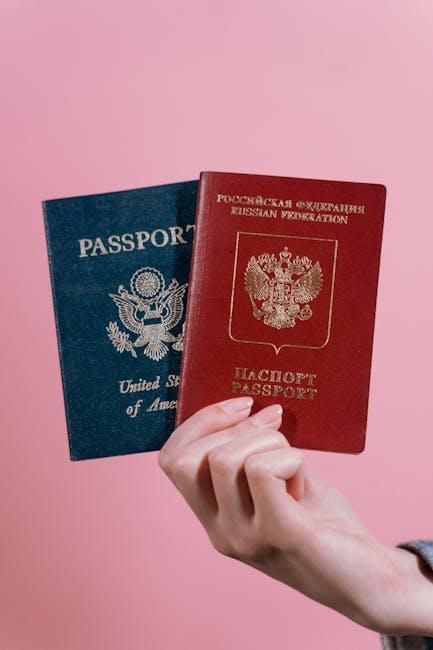
Embracing dual citizenship often means walking a delicate tightrope between legal duties and the rich, intangible fabric of cultural heritage. Citizens must honor their obligations such as paying taxes, abiding by local laws, and participating in civic duties. Yet, these responsibilities coexist with the deep-seated values, traditions, and languages that define their cultural identity. Striking a harmonious balance requires a conscious effort to integrate both realms—legalities that govern society and the enduring customs that foster a sense of belonging. This unique duality empowers individuals to contribute meaningfully to multiple communities, enriching their lives with diverse experiences and perspectives.
To effectively navigate this intricate landscape, envision the concept as a dynamic ecosystem where legal frameworks and cultural identities coexist symbiotically. Consider these key pillars:
- Respect for Sovereignty: Understanding and adhering to the laws of each nation while maintaining cultural pride.
- Cultural Preservation: Actively engaging in traditions, languages, and rituals that strengthen identity.
- Legal Awareness: Staying informed about dual citizenship benefits and constraints to avoid conflicts.
- Community Connection: Building bridges between diverse social circles to foster inclusivity and shared values.
| Aspect | Focus | Benefit |
|---|---|---|
| Legal Duties | Compliance & Responsibility | Social stability & protection |
| Cultural Identity | Heritage & Traditions | Sense of belonging & continuity |
| Dual Engagement | Adaptation & Integration | Expanded worldview & opportunity |
Challenges and Opportunities in Dual National Allegiances
Holding dual nationality can often feel like walking a tightrope between two worlds, each with distinct cultural, legal, and social expectations. This duality offers a rich tapestry of opportunities – such as enhanced travel freedom, access to two job markets, and deeper cultural understanding. However, it also poses challenges like conflicting allegiances during political tensions, complex tax obligations, or even restrictions on holding certain public offices. Striking a balance requires not only legal awareness but also emotional intelligence, as individuals navigate the ebb and flow between identities and loyalty.
Advantages and Hurdles of Dual Citizenship
- Expanded Rights: Voting in multiple countries and educational opportunities.
- Taxation: Navigating tax laws from two jurisdictions can be complex.
- Legal Duty: Understanding civic duties, including military service obligations.
- Identity Management: The personal challenge of maintaining cultural ties without conflict.
| Aspect | Opportunity | Challenge |
|---|---|---|
| Legal | Access to multiple legal protections | Conflicting laws and obligations |
| Social | Broadened cultural horizon | Potential social alienation or divided loyalty |
| Economic | Dual employment and business opportunities | Complex financial reporting and taxes |
Strategies for Maximizing the Benefits of Dual Citizenship
Unlocking the full potential of dual citizenship means more than just holding two passports. It requires a strategic balance of rights and responsibilities to capitalize on global opportunities. Begin by staying informed about each country’s tax laws and legal obligations to avoid pitfalls like double taxation or unintentional loss of citizenship benefits. Embrace the mobility advantage by researching visa-free travel options unique to your dual status—this can significantly reduce travel costs and open doors to unexpected business or cultural experiences. Moreover, tapping into education and healthcare benefits from both nations can create a safety net that enhances your personal and professional life.
Maintaining your connection with both homelands can be simplified through practical steps:
- Regularly update your documentation and registrations to ensure smooth administrative processes.
- Engage with local communities and cultural organizations in each country to deepen your sense of belonging.
- Leverage financial instruments and investment opportunities available exclusively to citizens.
| Opportunity | Country A Advantage | Country B Advantage |
|---|---|---|
| Education | Lower tuition fees at public universities | Access to specialized vocational training |
| Healthcare | Comprehensive public health coverage | Advanced private healthcare facilities |
| Travel | Visa-free access to 120 countries | Extended stay rights in member states |
Navigating Potential Conflicts with Informed Decision-Making
When individuals hold dual citizenship, they often find themselves at the crossroads of differing legal systems, cultural expectations, and political climates. In such situations, making informed decisions requires a delicate balance of understanding the rights and obligations inherent to both nations. It is crucial to evaluate how each country’s policies might impact personal freedoms, taxation, military service, and even travel restrictions. Staying ahead means continuously monitoring updates from both governments and consulting experts to navigate potential pitfalls.
Consider these strategies for effective decision-making:
- Maintain a clear record of legal documentation and compliance requirements for both countries.
- Engage with communities or groups familiar with dual citizenship challenges to share experiences and advice.
- Use technology to keep track of important deadlines, laws, and benefits applicable to each citizenship.
| Decision Aspect | Potential Conflict | Informed Approach |
|---|---|---|
| Taxation | Double taxation or hidden liabilities | Consult tax treaties and professionals |
| Military Service | Mandatory conscription clashes | Understand exemptions and alternatives |
| Travel | Visa requirements differ | Keep updated on passport and visa rules |
In Retrospect
In the delicate dance of dual realities, joint citizenship emerges not merely as a legal status but as a profound narrative of identity, belonging, and opportunity. It challenges us to embrace complexity, to weave together diverse cultural tapestries, and to redefine the boundaries of home. As we navigate this intricate terrain, joint citizenship stands as a testament to our evolving global story—one where multiple worlds coexist, enrich, and expand the very essence of who we are.




