
In a world increasingly defined by borders both physical and cultural, the concept of identity has grown far from singular and simple. Holding two citizenships is more than a legal status—it is a complex dance of belonging, responsibility, and self-definition. Navigating this dual identity invites individuals into a unique space where cultures intertwine and loyalties are balanced with nuance. This article explores the multifaceted experience of living within two national identities, revealing the challenges and opportunities that come with holding the key to more than one homeland.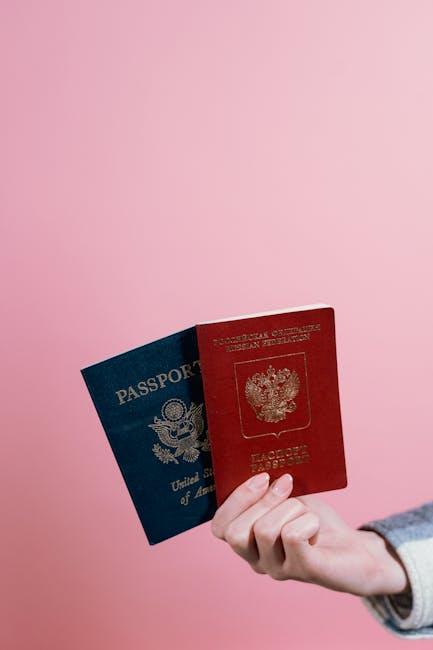
Understanding the Legal Landscape of Dual Citizenship
Dual citizenship opens a gateway to a world of possibilities, yet it is entangled in a web of legal nuances that vary dramatically from country to country. Some nations embrace it with open arms, while others impose stringent restrictions or outright prohibitions. Understanding these laws is crucial for anyone looking to hold multiple nationalities, as the consequences of non-compliance can be severe and range from loss of citizenship to legal penalties. Key aspects such as tax obligations, military service requirements, and voting rights can differ widely, shaping the lived experience of dual citizens in profound ways.
- Recognition: Whether a country recognizes dual citizenship impacts legal status and rights.
- Renunciation Policies: Some countries require formally renouncing previous citizenships.
- Conflicting Obligations: Military conscription or mandatory civic duties may apply in both nations.
- Travel Restrictions: Passport usage rules can complicate international movement.
| Country | Dual Citizenship Allowed? | Special Conditions |
|---|---|---|
| Canada | Yes | No renunciation required |
| China | No | Citizenship lost on acquiring another |
| France | Yes | Obliged to respect laws of both |
| Japan | Limited | Must choose one by age 22 |
In navigating this complex legal terrain, staying informed about each country’s immigration and nationality laws is indispensable. Legal counsel or consultation with immigration experts can help clarify ambiguities and tailor decisions to personal circumstances. As international mobility increases, the legal landscape continues to evolve, highlighting the importance of vigilance and adaptability for dual citizens worldwide.
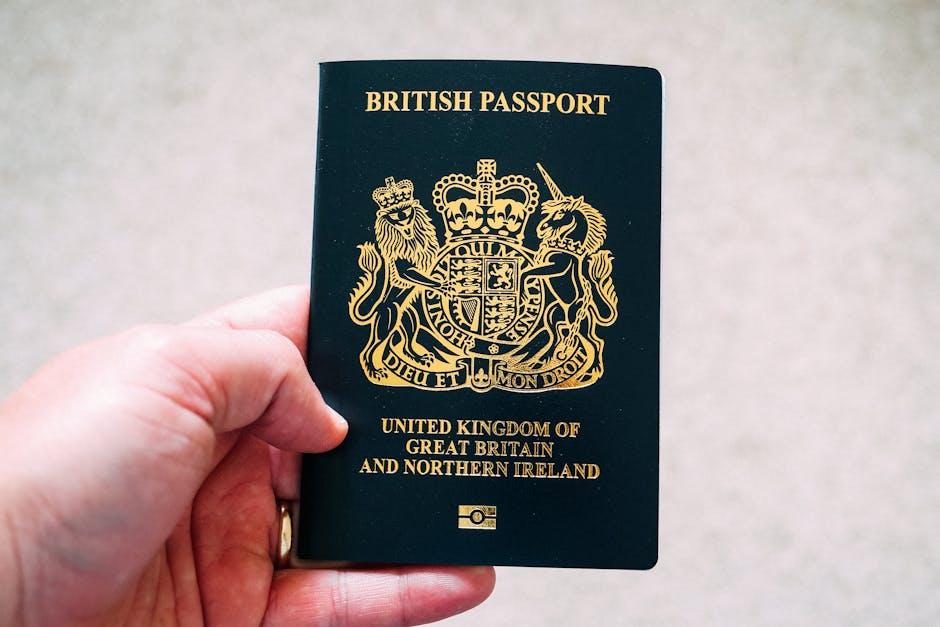
Balancing Cultural Ties and Personal Identity
Straddling two cultural worlds often means weaving together a tapestry of traditions, languages, and values. This unique blend can become both a source of strength and a challenge, as individuals seek to honor their heritage while forging an authentic personal path. The emotional landscape in this balancing act is rich and varied, marked by moments of deep connection and occasional feelings of displacement. It’s a journey where the heart extends in multiple directions, and embracing this duality ultimately fosters greater empathy and cultural fluidity.
In navigating this complex identity, many find comfort in communities and practices that celebrate multiplicity. From bilingual conversations to festivals that blend customs, these experiences affirm that identity is not static but an evolving story. Here are some common ways people maintain harmony between their cultural ties and individuality:
- Creating hybrid traditions that combine elements from both cultures.
- Engaging in open dialogue with family and peers about identity complexities.
- Exploring personal narratives through art, writing, or storytelling.
- Building supportive networks of others who share dual experiences.
Managing Obligations and Rights Across Borders
Holding citizenship in two countries unlocks an intriguing mesh of rights and duties that can both empower and complicate. While the opportunity to vote, access to social benefits, and property ownership often enrich the dual citizen’s experience, the responsibilities can weigh equally heavy. From mandatory military service in one country to tax declarations in another, balancing these can require intricate planning and up-to-date legal knowledge. Without careful navigation, such obligations may lead to unintended penalties or missed advantages.
To manage this delicate equilibrium, dual citizens often adopt specific strategies that respect both legal systems. These might include:
- Consulting immigration and tax experts familiar with bilateral agreements
- Staying informed about changes in nationality laws and bilateral treaties
- Establishing clear primary residence to streamline fiscal responsibilities
- Utilizing diplomatic channels for clarification on conflicting obligations
| Country | Common Right | Typical Obligation |
|---|---|---|
| Country A | Healthcare access | Annual tax filing |
| Country B | Voting in elections | Military conscription |
| Country C | Education subsidies | Property tax payment |
Strategies for Navigating Taxation and Financial Responsibilities
Managing taxation and financial obligations across two countries can feel like untangling a complex web. It requires a keen understanding of each nation’s tax laws, treaties, and reporting requirements. It’s essential to identify tax residency status as this determines where and how you pay taxes. Moreover, some dual citizens might be subject to taxation on worldwide income in both countries, necessitating strategies such as the utilization of foreign tax credits or exclusions to avoid double taxation. Consulting with tax professionals who specialize in cross-border finances can be invaluable for staying compliant and optimizing financial outcomes.
Beyond taxes, banking and investment regulations vary widely and can influence your money management approaches. Opening accounts in both countries may be necessary, but it’s important to consider currency exchange rates, transfer fees, and local banking rules. Keeping thorough records and understanding the filing deadlines for both jurisdictions is critical to avoid penalties. Here’s a quick guide to basic actions that can streamline your financial responsibilities:
- Regularly update your financial documents to reflect changes in residency or income sources.
- Leverage double tax treaty provisions if applicable, to minimize unnecessary payments.
- Enroll in certified tax assistance programs tailored for expatriates and dual citizens.
- Monitor currency fluctuations to make informed decisions about when to transfer funds.
| Financial Element | Key Consideration | Action Tip |
|---|---|---|
| Taxes | Tax residency & treaties | Consult a cross-border tax adviser |
| Banking | Different country regulations | Maintain accounts in both countries |
| Investments | Compliance with local laws | Diversify assets geographically |
| Reporting | Deadlines & documentation | Set reminders for tax filings |
Building a Harmonious Life with Dual National Loyalties
Embracing dual national loyalties means weaving together two rich cultural tapestries into one unique identity. This journey calls for a delicate balance—honoring each nation’s traditions while forging a personal narrative that transcends borders. Cultivating this harmony often involves daily acts of choice and reflection, such as:
- Celebrating diverse holidays: Integrating festivities from both heritages nurtures a deeper understanding and appreciation.
- Language fluidity: Switching effortlessly between tongues sharpens cultural connection and cognitive flexibility.
- Community engagement: Participating in both national communities fosters a sense of belonging and broadens support systems.
Creating equilibrium between two homeland loyalties also offers a unique vantage point in today’s interconnected world. Dual citizens often find themselves as informal ambassadors—their dual perspectives enabling them to bridge cultural divides, encourage empathy, and inspire collaboration. The following table highlights some key emotional and practical benefits experienced by those who successfully integrate their dual identity:
| Benefit | Impact |
|---|---|
| Cultural Empathy | Enhances understanding across diverse perspectives |
| Expanded Opportunities | Access to broader education and career paths |
| Adaptability | Increased ability to thrive in multicultural settings |
| Identity Enrichment | Deepening of self-awareness and personal narrative |
The Conclusion
In the intricate tapestry of global identity, holding two citizenships weaves together threads of opportunity, challenge, and belonging. Navigating dual identity is not simply a legal status but a profound journey of reconciling diverse cultures, rights, and responsibilities. As borders blur and the world grows ever more connected, embracing the complexities of two citizenships offers a unique lens through which we understand ourselves—and the evolving notion of home. Ultimately, this dual existence invites us to rethink identity not as a singular point, but as a dynamic bridge spanning multiple worlds.




